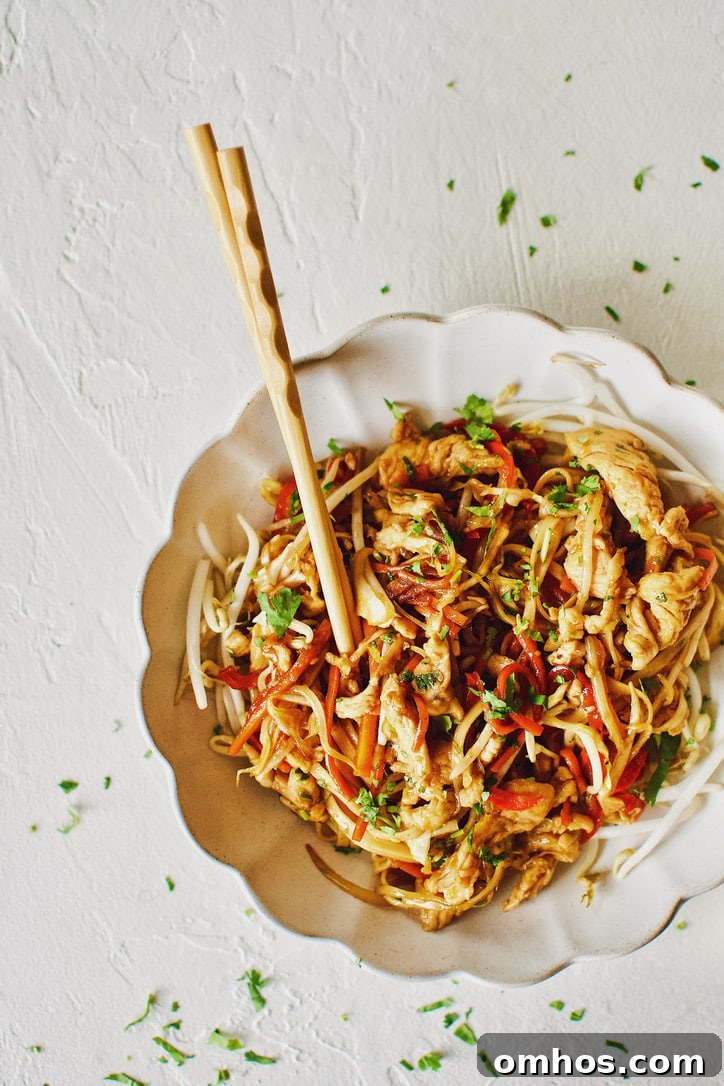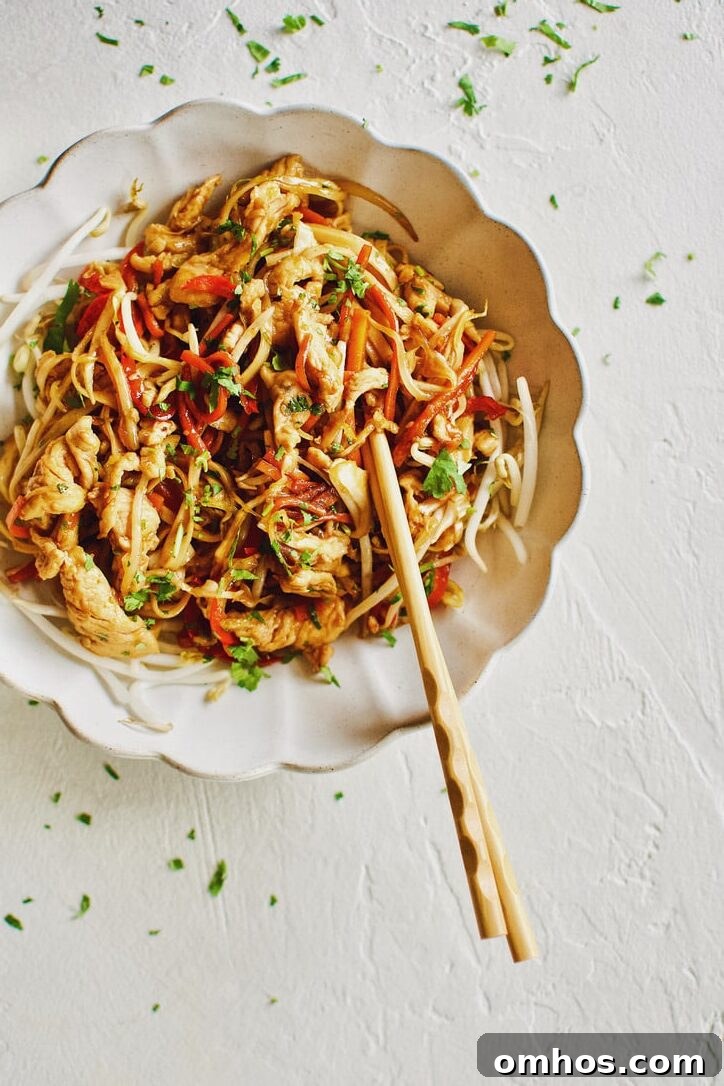
As a chef who loves recreating restaurant favorites at home, I spent a lot of time testing and refining this Lo Mein during the Covid-19 era. I adjusted the noodle, sauce balance, and vegetable mix until it matched the takeout we love — and in our opinion, often beat it. This chicken Lo Mein has become a regular on our dinner rotation: fast to cook, flexible to customize, and reliably satisfying.
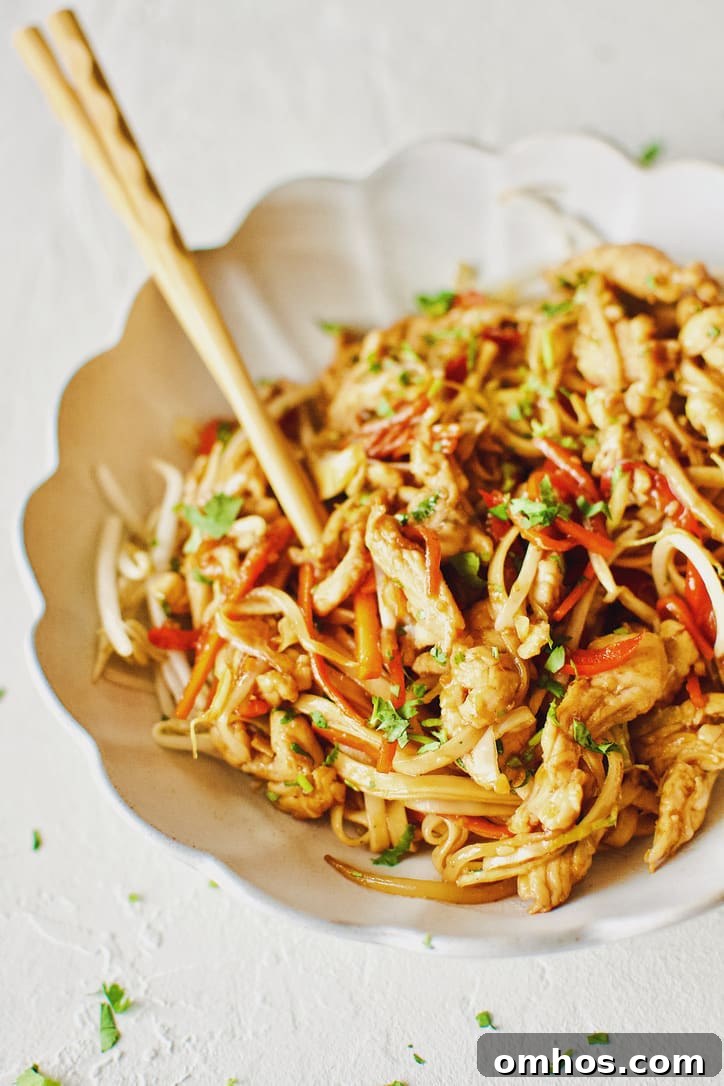
What’s the difference between Chow Mein and Lo Mein?
To clear up a common question: chow mein and lo mein start with boiled noodles, but the final texture and technique differ. Chow mein typically finishes in a hot, oiled wok where the noodles are fried so they develop crisp edges, then sauce is added. Lo mein uses fully cooked, sauced noodles that are tossed with cooked vegetables and protein so the noodles stay soft and coated with sauce. The distinction is simple: chow mein is fried noodles, lo mein is sauced noodles.
How do I make Lo Mein at Home?
Choosing the right noodle is the first step to a restaurant-quality lo mein at home. I prefer an Asian-style egg noodle for its texture and flavor, but if you can’t find those, standard spaghetti works in a pinch. Good noodles + a balanced sauce make all the difference.
Recommended: Asian-style egg noodles (or use spaghetti if needed).
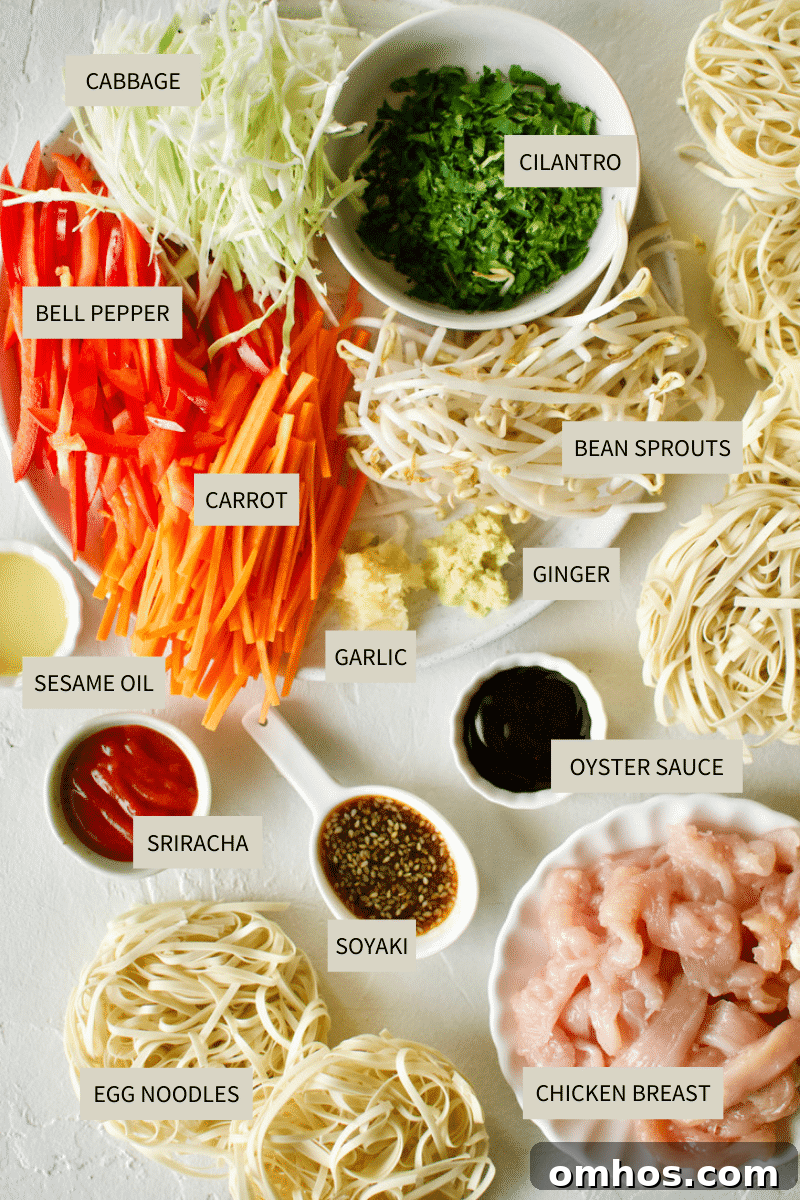
Next, decide on the vegetables you like. This dish is naturally flexible: carrots and bell peppers are classics, cabbage and bean sprouts add crunch, and you can swap green onions for cilantro if you prefer. I always include bean sprouts for freshness, and sometimes add peanuts for a pad-thai-like twist. Prepare everything before you start cooking — lo mein cooks quickly, so mise en place is essential.
Wok it up!
Cooking lo mein is fast and layered. Heat a wok or a large skillet until hot, sear the chicken briefly until just cooked, then remove it from the pan. Start by stir-frying the vegetables that need the most time — usually carrots and bell peppers — then add aromatics like grated ginger and garlic. Cooking aromatics early releases their flavor into the whole dish and fills the kitchen with a great aroma.
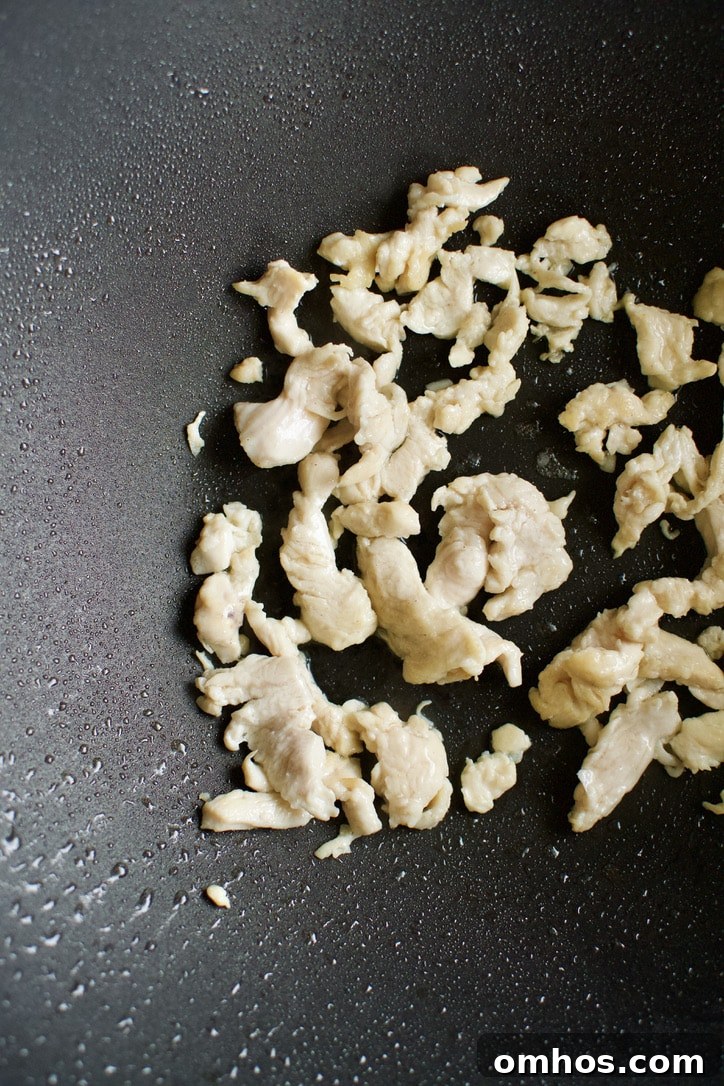
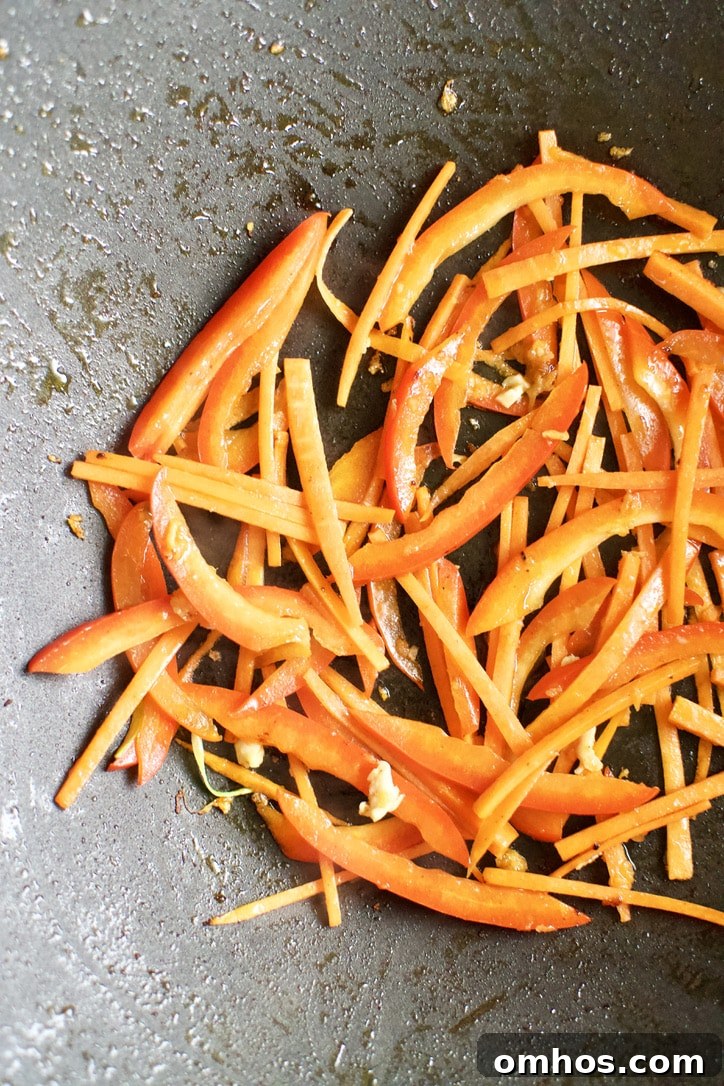
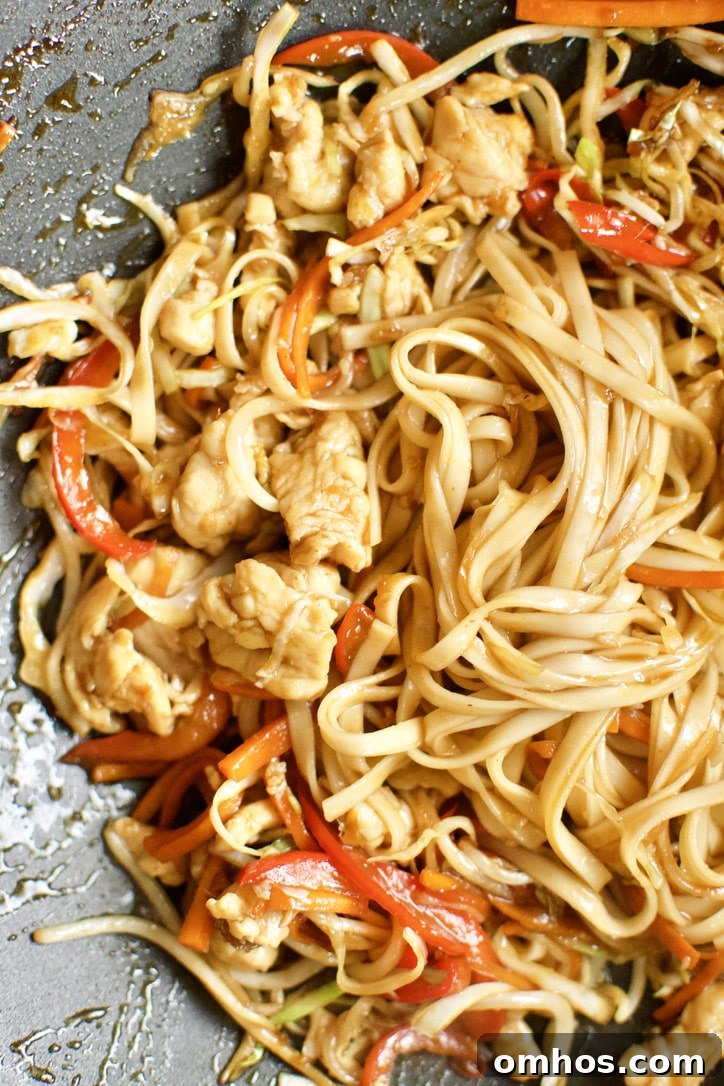
After the aromatics, add quicker-cooking vegetables, cabbage, and bean sprouts along with the sauce. Toss until everything is evenly coated, then return the chicken to the wok. This is the moment to adjust seasoning: add more sauce if you like it saucier, or finish with a touch of soy sauce and sriracha for heat.
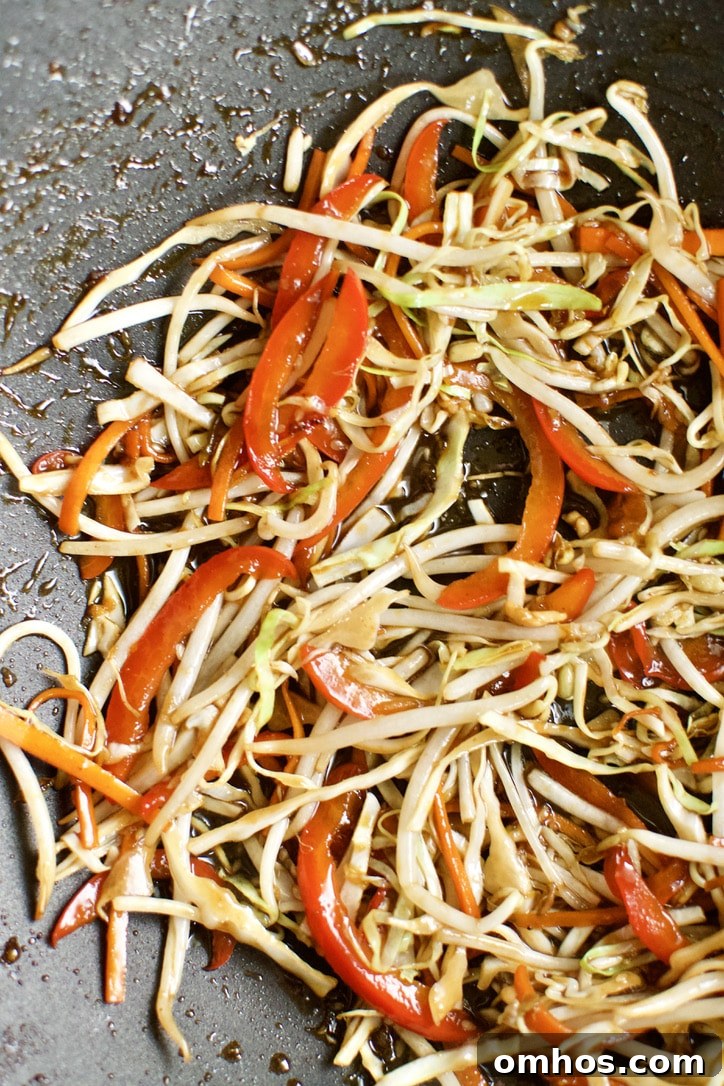
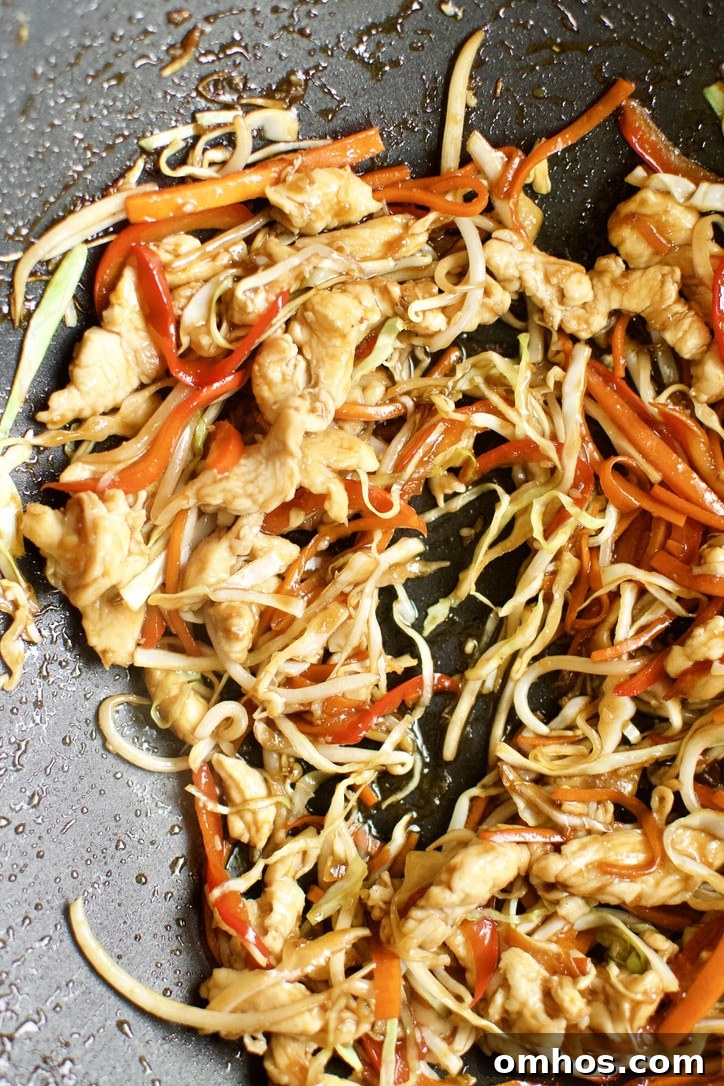
Cook the noodles just until tender — Asian egg noodles typically take 2–3 minutes — drain them, then add them to the wok off the heat and toss gently so the sauce clings to every strand. The whole dish comes together rapidly after prep: plan on about 5–10 minutes of active cooking once everything is prepped.
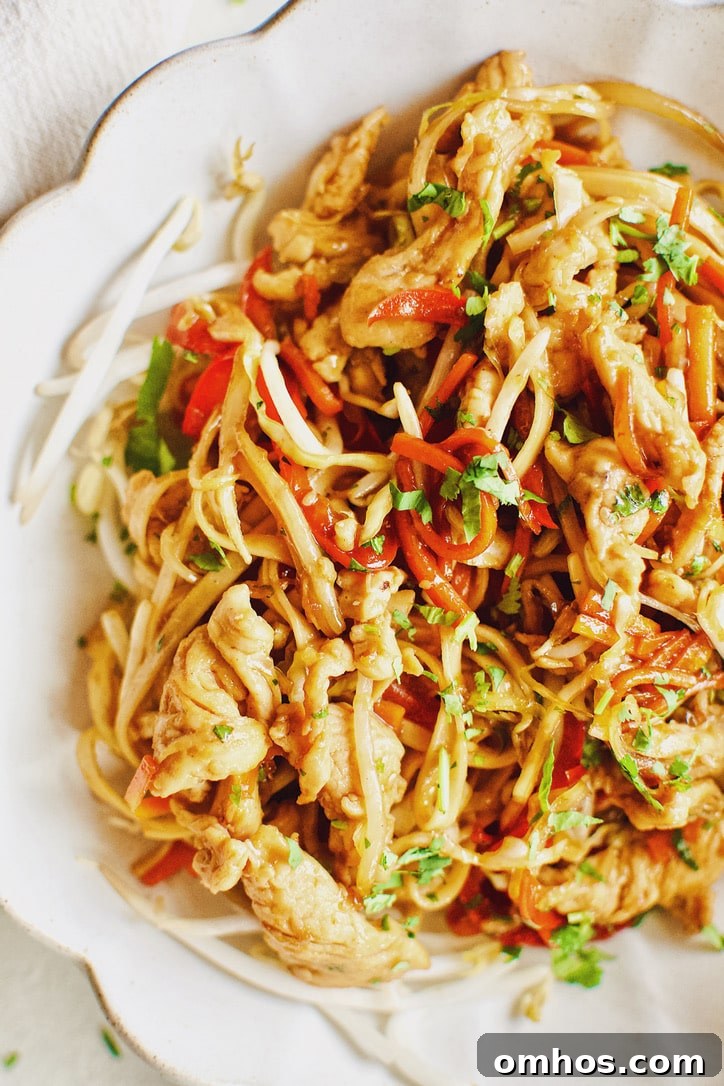
I like to serve the lo mein over a bed of extra bean sprouts and finish with a generous sprinkle of fresh cilantro. Sriracha on the side lets diners dial in the heat.
More Asian Inspired Dishes
Ahi Tuna Tower
General Tso Chicken
Crack Slaw
Asian Chicken Salad
Leftover Turkey Ramen
📖 Recipe
Easy Lo Mein at Home
Yield: 6 | Prep Time: 20 minutes | Cook Time: 10 minutes | Total Time: 30 minutes
This is a quick, at-home version of lo mein. Prep your vegetables and chicken, then finish the dish in about 10 minutes. Adjust the sauce and vegetables to taste.
Ingredients
- 1 tablespoon vegetable oil
- 2 chicken breasts (about 6 oz each), pounded thin and sliced
- Kosher salt and white pepper, to taste
- 1 teaspoon sesame oil
- 1 large carrot, shredded
- 1 red bell pepper, julienned
- 1 inch fresh ginger, grated
- 2 cloves garlic, grated
- ¼ head cabbage, shredded
- 1 bag mung bean sprouts
- ¼ cup oyster sauce
- ½–¾ cup soyaki or teriyaki-style sauce
- Asian egg noodles, or spaghetti as a substitute
- 1 tablespoon soy sauce
- Sriracha, to taste
- Fresh cilantro, chopped (for garnish)
Instructions
- Bring a pot of water to a boil for the noodles.
- Prep all aromatics and vegetables and arrange them on a platter. Pound and thinly slice the chicken, then season lightly with kosher salt and white pepper.
- Heat a wok or large skillet over high heat. Add vegetable oil, and when it begins to shimmer, add the sliced chicken. Cook until just browned and cooked through, about 4–5 minutes. Remove and set aside.
- Add sesame oil to the hot pan, then stir-fry carrots, bell pepper, and grated ginger for 2–3 minutes until they begin to soften.
- Add garlic, cabbage, and bean sprouts along with the oyster sauce and half the soyaki/teriyaki. Toss to coat, then return the chicken to the pan and combine. Add more sauce if you prefer a saucier result.
- Cook the noodles according to package directions (Asian egg noodles typically 2–3 minutes), drain, and add them to the pan off the heat with a splash of soy sauce and sriracha. Toss until everything is evenly coated.
- Serve topped with chopped cilantro and extra bean sprouts. Offer additional Sriracha for those who like it spicy.
Notes
If you can’t source Asian-style egg noodles, regular spaghetti works fine as a substitute. Adjust cook times accordingly so the noodles are tender but not mushy.
Did you make this recipe? Let me know by leaving a review or a comment. Sign up for the newsletter and follow along on Instagram, Pinterest, and Facebook to see more recipes and updates.