With rising inflation and growing economic uncertainty, discussions about price controls are back in the news. As modern pioneers in our kitchens, it pays to be prepared—especially when it comes to feeding our families. In this post, I’ll explain what price controls are and recommend three essential, shelf-stable foods to prioritize in your pantry because they would likely be most affected if price controls were implemented.
Watch my 3 Essential Foods to Stock Now video below to learn more about price controls and practical steps you can take to prepare your pantry. The video and article explain what to stock, why these items matter, and how updating your pantry now can protect your household food supply.
Affiliates note: I may earn a small commission from qualifying purchases linked in this content. This does not affect the price you pay.
Table of Contents
- What Are Price Controls?
- The 3 Essential Foods to Stock NOW Video
- What Is The Four Corners Pantry?
- An Inside Look at the Extended Pantry
- Four Corners Pantry Tip
- Focus on These 3 Shelf-Stable Essentials
- Additional Non-Perishable Foods to Stock
- Don’t Forget Non-Food Items
- Preserve What You Can
- A Well Stocked Pantry is Power
- Prepper Pantry Videos
- Free Downloads
- Learn More About Price Controls
- The Modern Pioneer Cookbook
- Start Your Traditional Foods Journey
- Download Your Free 36-Page Pantry List
- Join the Traditional Foods Kitchen Academy
- Kitchen Academy Videos
- Shop for items used in this blog post or video
What Are Price Controls?
Price controls are government limits placed on how high or low a product’s price can go. Authorities sometimes impose them during crises—such as wartime or sharp economic downturns—to prevent rapid price spikes. While the goal is to keep essentials affordable, price controls often cause unintended problems: shortages, rationing, lower product quality, and stress on supply chains. In short, they can make it harder to find the items people need most.
Preparation is the most practical response. A well-organized pantry—stocked with long-lasting items and essential supplies—reduces dependence on unpredictable markets and helps your household stay resilient.
The 3 Essential Foods to Stock NOW Video
What Is The Four Corners Pantry?
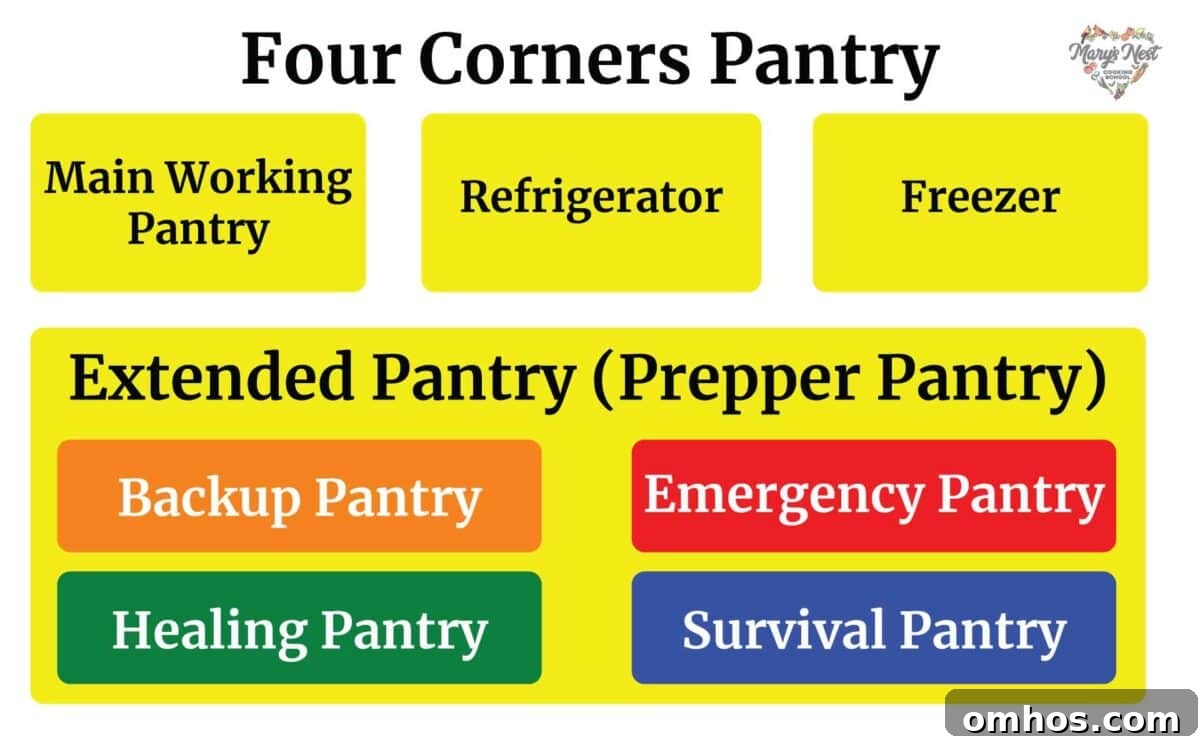
When I say “pantry,” I mean more than a single cupboard. I use the Four Corners Pantry concept to describe how I organize food and supplies across four storage areas to support everyday cooking and long-term preparedness.
The Four Corners Pantry includes:
- The Working Pantry — everyday non-perishables and frequently used items.
- The Refrigerator — fresh perishables and fermented foods.
- The Freezer — longer-term storage for perishable items.
- The Extended Pantry — backup supplies kept for emergencies; sometimes called the Prepper Pantry, and it often contains multiple sub-pantries.
An Inside Look at the Extended Pantry
The Extended Pantry is subdivided into four practical areas:
- The Backup Pantry — non-perishables kept to replenish the Working Pantry.
- The Emergency Pantry — two weeks’ worth of food and supplies designed to be used without electricity or running water.
- The Survival Pantry — long-shelf-life staples or “forever foods” intended for longer disruptions; prioritize nutrition and shelf stability.
- The Healing Pantry — dried herbs, remedies, and supplies for basic home-care needs, including an herbal medicine cabinet for ready use.
Four Corners Pantry Tip
Use First-In-First-Out (FIFO). Rotate older products to the front so you use them before they expire and avoid waste.
Focus on These 3 Shelf-Stable Essentials
If price controls return, staples that households rely on most are often targeted first. Prioritize long-lasting, shelf-stable foods that don’t require refrigeration. Here are the three categories you should focus on stocking now:
- Whole Grains and Legumes (including lentils): Oats, white rice, barley, and a variety of wheat berries—both modern and ancient wheats—are versatile and store well. Dried beans and lentils are protein-rich, economical, and can last for years when stored properly. They form the backbone of many nutritious meals.
- Flour and Baking Supplies: All-purpose and bread flour, sugar, salt, baking soda, baking powder, and yeast are kitchen essentials. If you prefer natural leavening, keep a sourdough starter on hand. These ingredients let you bake bread and make many staples at home.
- Canned Goods: Canned tomatoes, vegetables, fruits, and protein sources like canned chicken, fish, or sardines provide reliable nutrition when fresh produce is scarce or expensive. Canned items are an easy way to preserve shelf life and maintain meal variety.
Additional Non-Perishable Foods to Stock
Beyond the three main categories, consider adding other long-lasting foods that increase variety and nutrition in an emergency pantry.
Sweeteners and Baking Alternatives
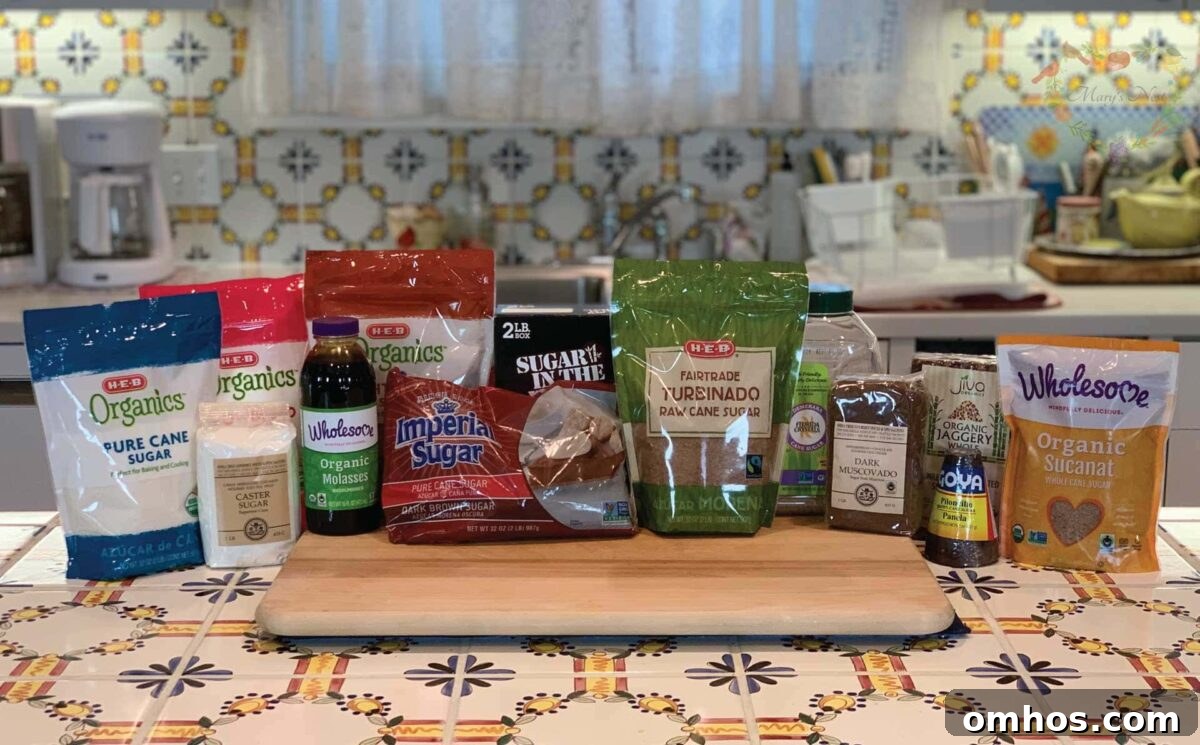
Table sugar is useful for baking and home canning, and it can also feed a sourdough starter. Keep alternative sweeteners you prefer—honey, maple sugar, coconut sugar, molasses, and unrefined cane sugars—so you have options if some sweeteners become scarce. Molasses is particularly useful for baking and adds nutrients in small amounts.
Additional Foods to Consider
These items may not be the first targets of price controls, but they’re worth storing for variety, nutrition, and resilience:
- Shelf-stable Dairy Alternatives: Powdered milk, powdered butter, and whey powder offer long-term substitutes for fresh dairy and are lightweight and reconstitutable.
- Dried Fruits and Vegetables: Useful for snacks, baking, and adding nutrients to soups and stews.
- Fats and Oils: Olive oil, coconut oil, ghee, and rendered fats like lard or tallow (if you use them) store well when kept cool and dark.
- Nuts, Nut Butters, and Seeds: Calorie-dense and nutrient-rich, these items are excellent for snacks, baking, and adding healthy fats and protein to meals.
Don’t Forget Non-Food Items
Non-food essentials become hard to find during shortages, so include them in your planning:
- Soaps and Detergents: Natural soap, shampoo, and dish soap.
- Paper and Reusable Products: Toilet paper and paper towels, plus reusable cloths, dish towels, and napkins.
- Cleaning Supplies: Vinegar, baking soda, and essential oils for homemade cleaners.
- First Aid and OTC Medications: Bandages, basic first-aid supplies, and the over-the-counter medications your family uses.

Preserve What You Can
Preserving your own food is one of the most effective ways to stretch fresh harvests and reduce reliance on store shelves. Canning, fermenting, dehydrating, and freezing let you capture seasonal produce and keep it available year-round. Whether you can tomatoes, ferment cabbage into sauerkraut, or dehydrate vegetables, home preservation saves money and increases food security.
Try these techniques to start building your preserved stores:
- Water Bath Canning for high-acid foods
- Fermentation for sauerkraut and other preserved vegetables
- Dehydrating fruits and vegetables for lightweight, long-lasting supplies
A Well Stocked Pantry is Power
A thoughtfully stocked pantry gives you peace of mind and practical control during uncertain times. Preparing now—by rotating stock, adding shelf-stable staples, and preserving seasonal foods—helps your household manage inflation, supply disruptions, or the return of price controls. Your pantry is a core part of a resilient home.
Prepper Pantry Videos
These videos offer step-by-step guidance for building an Extended Pantry and stocking the supplies you’ll need to stay well fed and self-reliant.
See all →
3 Crucial Pantry Questions You Need to Ask
Simple questions that help you identify gaps and priorities in your pantry.
How to Prep a Pantry That Can Withstand Price Controls
Practical steps to protect your household food supply from shortages and price shocks.
The 3 EASY Ways to Lower Preparedness Anxiety
Practical tips to feel more confident and calm about preparedness.
For more video guidance on stocking a Four Corners Pantry, check the full playlist of pantry and preservation resources available on my channel and blog. These videos include checklists and instructions for Emergency, Survival, and Healing Pantries.
Free Downloads
Download free checklists and printable PDFs to build your own pantry plan and kitchen journal.
See all →
Free K–12 American History Curriculum With Traditional Recipes
Educational resources that pair historical lessons with traditional American recipes.
The Maslin Method: A Blueberry Buckle
A whole-grain baking method for a rustic, delicious dessert.
How to Make Meal Prep Fast with the Meal-in-a-Bag System
Seven printable recipes that make meal planning easier and more efficient.
Learn More About Price Controls
If you want to read more about price controls, look for reputable analyses that explain their historical use and common drawbacks. Understanding past examples can help you plan more effectively for the future.
Order YOUR COPY Now!
The Modern Pioneer Cookbook
Filled with seasonal ingredients, traditional techniques, and nourishing recipes, this book includes over 85 from-scratch recipes to help you cook the modern pioneer way.
Start Your Traditional Foods Journey
If you want to dive deeper into traditional cooking and preservation, my books—The Modern Pioneer Cookbook and The Modern Pioneer Pantry—offer practical recipes and techniques. They are designed to help you create a resilient, nourishing kitchen.
Download Your Free 36-Page Pantry List
For a comprehensive checklist of pantry staples, download the free 36-page Traditional Foods Pantry List. It includes links to recipes, tutorials, and preservation guides to help you plan and stock your pantry efficiently.
- FREE 36 Page Traditional Foods Pantry List – Printable Pantry Staples List
Join the Traditional Foods Kitchen Academy
For exclusive videos and deeper lessons in traditional foods, consider joining the Traditional Foods Kitchen Academy. Members get bonus content and community support for building kitchen skills and a resilient pantry.
Kitchen Academy Videos
See all →
Baking Questions Answered with Ted and Mary!
A practical Q&A packed with tips, techniques, and answers to common baking questions.
Baking with Whole Grains: The Maslin Method
Learn about whole-grain baking, grain milling, and heritage wheats for better flavor and nutrition.
A Sweet Season of Celebration: The Maslin Method Baking School
Celebrate the launch of a baking series focused on traditional methods and whole grains.
Shop for items used in this blog post or video
Favorite Prepper Pantry Supplies
- Wireless Fridge and Freezer Exterior Thermometer
- Life Straw
- Water Disinfection Tablets
- Water BOB Tub Liner
- Cast Iron Trivet
- Tea Lights
- Glass Kettle
- Manual Can Opener
- Battery Powered Can Opener
- 5 Gallon Buckets with Lids
- Gamma Lids – White
- 1 Gallon Mylar Bags
- 500CC Oxygen Absorbers
- 10g Silica Gel Packs
- All American Pressure Canner
- Stovetop Water Bath Canner
- Long Lasting Ice Packs
- Igloo Cooler
- YETI Cooler
- Electric Cooler
- Jackery Solar Power Station
- Jackery Portable Solar Panels
- 10 Gauge Power Cord
- Kill A Watt EZ
- Hand Crank Flashlight
- High Powered Flashlight
- Hand Crank Emergency Radio
Recommended Reading
- The Modern Pioneer Cookbook
- Nourishing Traditions