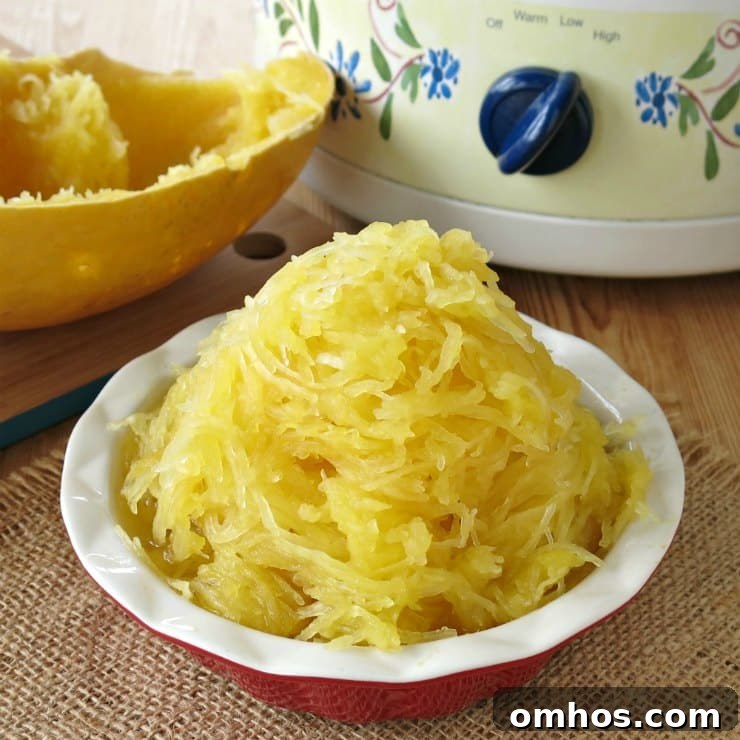
Once you learn how to cook spaghetti squash whole—either in a slow cooker or roasted in the oven—you’ll find it quick and simple to include this healthy, low-carb vegetable in your weekly meals. Cooking the squash whole removes the most intimidating step: prying open a hard squash. After it’s cooked, the shell is soft and easy to cut, and the strands pull apart like noodles.
Spaghetti squash makes an excellent gluten-free, lower-carbohydrate substitute for pasta. The flesh is mild on its own, so it takes well to bold sauces, fresh herbs, cheeses, and roasted vegetables. Once you have cooked spaghetti squash ready, you can use it in many dishes—from saucy marinara and Alfredo-style preparations to casseroles, soups, and even baked “crusts.”
Two tested methods make cooking whole spaghetti squash easy and safe: slow cooker (crock-pot) and oven roasting. Both require only a few simple steps and produce tender squash with minimal effort.
Slow Cooker Spaghetti Squash – Whole
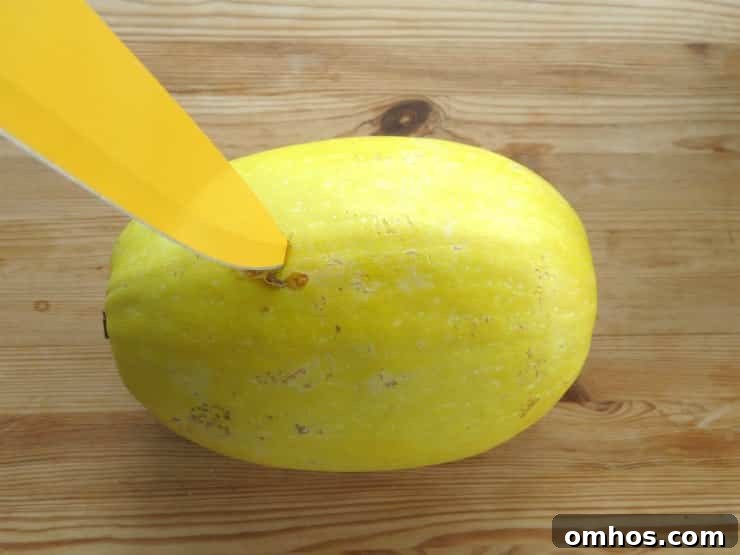
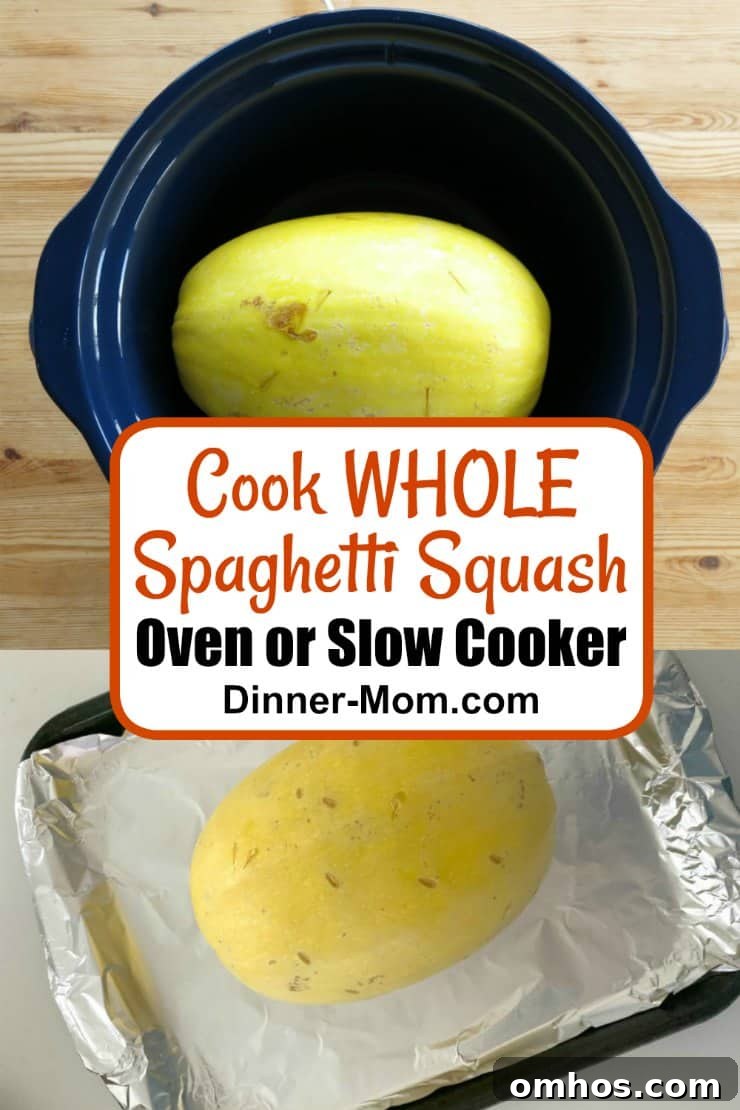
The slow cooker is a hands-off way to cook a whole spaghetti squash, and the timing is forgiving. Wash the outside of the squash thoroughly. To prevent pressure build-up while it cooks, pierce the skin in several places with the tip of a knife—about ½ inch deep. For a medium squash, make 10–12 pokes spaced around the surface; larger gourds may need more.
Place the whole squash in the slow cooker and cover. Cook on low for 5–6 hours, or on high for 3–4 hours. Cooking times vary with the size and shape of the squash; it’s done when a knife slides into the skin easily.
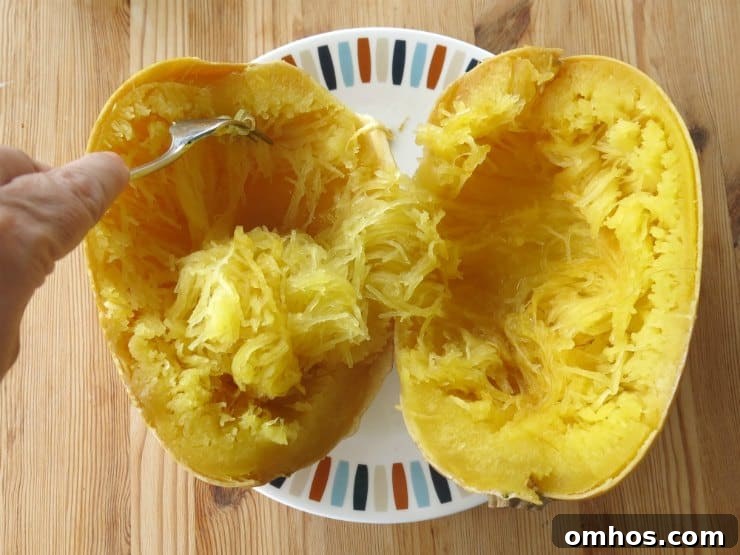
Allow the squash to rest for about 10 minutes. Then, using oven mitts or a towel, transfer it to a cutting board. Slice it in half, scoop out the seeds, and use a fork to rake the flesh into noodle-like strands. Tip: when shopping, choose a squash that fits comfortably in your slow cooker.
Baked Spaghetti Squash – Whole
You can also roast a whole spaghetti squash in the oven. Preheat the oven to 425°F (220°C). Wash and pierce the skin several times to let steam escape. Place the squash on a sturdy rimmed baking sheet and roast for about 30 minutes, turning it halfway through so it browns evenly. Larger squash may require additional time.
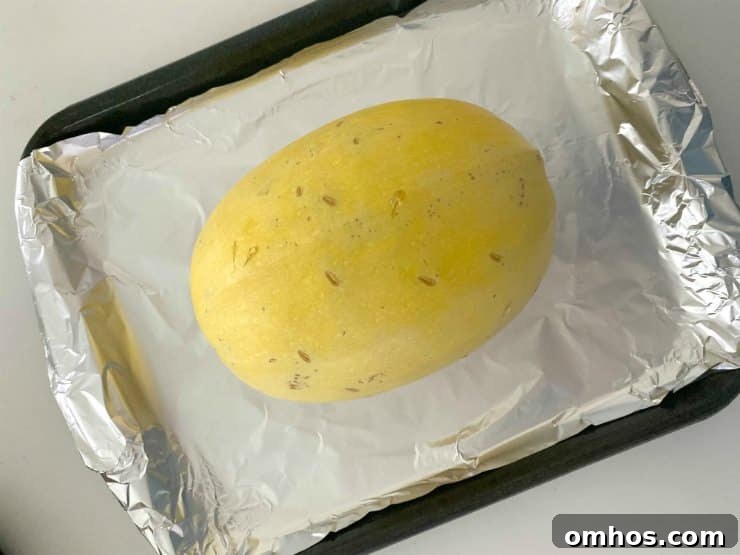
Let the squash cool for about 10 minutes before transferring to a cutting board. Cut in half, remove the seeds, and scrape out the strands with a fork. Roast gives a slightly sweeter, more caramelized flavor than the slow cooker method.
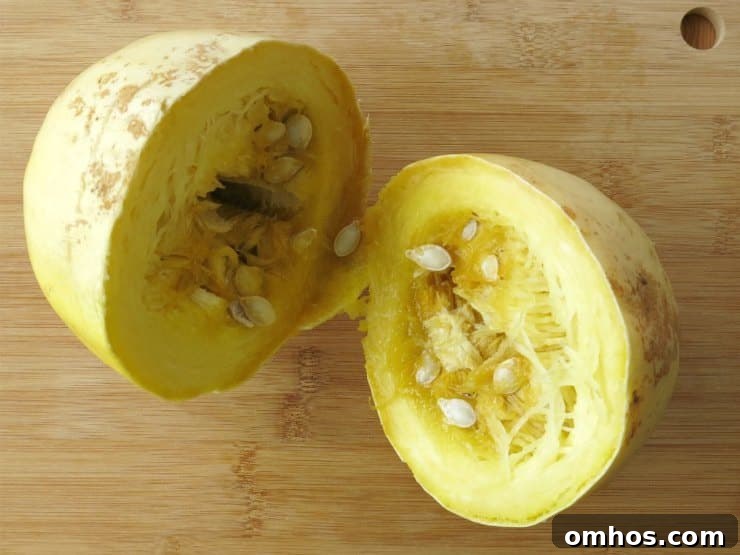
Which direction should you cut spaghetti squash?
Cutting direction affects strand length. For long, pasta-like strands, slice the squash crosswise (across the shorter axis). For shorter strands suitable for casseroles or stuffed halves, cut lengthwise. Either method works; choose based on how you plan to serve the squash.
Frequently Asked Questions about cooking Whole Spaghetti Squash
Common questions and short answers for cooking a whole spaghetti squash:
Do you wash spaghetti squash?
Yes—always wash the outside to remove dirt and any residue.
Will the spaghetti squash explode while cooking?
It should not if you make several slits or pokes in the skin to allow steam to escape. Be generous with the punctures.
Should spaghetti squash be crunchy?
That depends on preference. Crisp strands mean the squash was cooked less; that’s fine, especially if you’ll cook it again in a casserole. If you prefer softer strands, cook longer or return it to the oven or slow cooker after cutting.
How do you know if the spaghetti squash is done?
A knife should pierce the skin and flesh with little resistance. If it’s still firm, cook a bit longer.
Can you cook whole spaghetti squash in the microwave?
You can briefly microwave a whole squash to soften the skin before cutting, but microwave methods vary. Use caution and don’t overcook.
Do you need to add water to the slow cooker?
You can add up to a cup of water, but it’s not necessary for this method.
Storage
Cooked spaghetti squash stores well, making it convenient to prepare ahead for quick meals.
Refrigerator
Place cooled, cooked squash strands in an airtight container or resealable bag and refrigerate for up to 5 days.
Freezer
For longer storage, freeze cooked strands in a freezer-safe container or bag for up to 3 months. Thaw in the refrigerator before reheating or using in recipes. If strands release excess water when thawed, press them in a strainer to remove the extra liquid.
How to use Cooked Spaghetti Squash
Cooked spaghetti squash is versatile. Here are simple serving ideas and ways to build a meal:
- Season with salt, pepper, and a drizzle of olive oil or butter.
- Toss with pesto and top with grilled chicken, shrimp, or a plant-based protein.
- Mix with marinara, add meatballs or roasted vegetables, and finish with grated cheese.
You can also use spaghetti squash in baked casseroles, soups, stuffed halves, or even in savory muffins where excess moisture has been drained.
Recipe
Cook Spaghetti Squash Whole (Slow Cooker or Oven)
Cook whole spaghetti squash in a slow cooker or roast it in the oven. No cutting required until it is tender and easy to halve.
Equipment
- Slow cooker (optional)
- Rimmed baking sheet (if roasting)
- Sharp knife and fork
Ingredients
- 1 medium spaghetti squash (about 2–3 pounds)
- Salt and pepper, to taste
Instructions
Prepare
- Wash the outside of the squash.
- Poke the skin several times with the tip of a knife (about ½ inch deep). Make more punctures for larger squash.
Slow Cooker
- Place the whole squash in the slow cooker and cover with the lid.
- Cook on low for 5–6 hours or on high for 3–4 hours, until a knife inserts easily into the flesh.
- Let rest about 10 minutes, then transfer to a cutting board with mitts or a towel. Cut in half, scoop out the seeds, and rake the flesh into strands with a fork. Season and serve.
Oven Roast
- Preheat the oven to 425°F (220°C).
- Place the whole, pierced squash on a sturdy baking sheet.
- Roast for about 30 minutes, turning halfway through; larger squash may need more time. When tender, let cool for 10 minutes, halve, remove seeds, and shred with a fork. Season and use as desired.
Notes
- Choose a squash that fits comfortably in your slow cooker if using that method.
- Crosswise cuts yield longer strands; lengthwise cuts produce shorter strands for stuffing or casseroles.
- If the strands are too watery after cooking, press them in a strainer to remove excess liquid before using.
- Refrigerate cooked strands up to 5 days, or freeze up to 3 months.