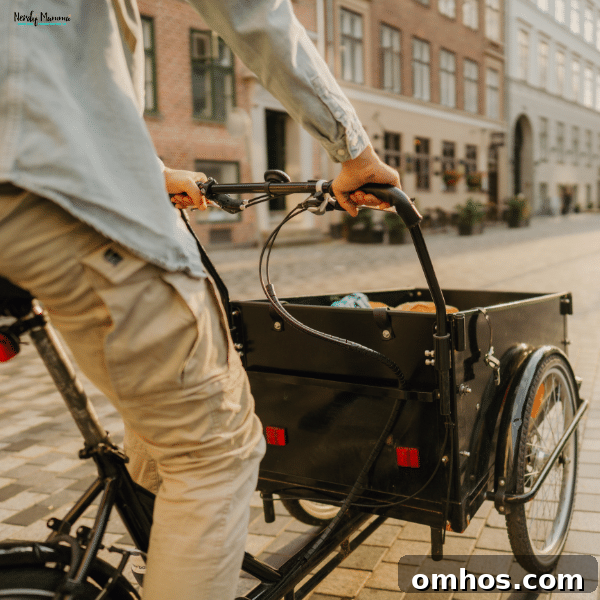
Used cargo bicycles are an increasingly popular way to move people and goods around cities. They offer a practical, eco-friendly alternative to cars for families, small businesses, and urban commuters. Buying a used cargo bike can make this lifestyle more affordable while still delivering the durability and carrying capacity you need.
Before you buy a pre-owned cargo bicycle, it helps to know what to look for and where to search. This guide covers the main advantages of buying used cargo bikes, the key inspection points, the best places to find them, and final tips to help you get a reliable ride at a fair price.
Why Choose Used Cargo Bicycles?
- Affordability – New cargo bikes can be costly. A well-maintained used model often delivers most of the same functionality for a fraction of the price, making cargo cycling accessible to more people.
- Sustainability – Buying secondhand keeps equipment in use longer and reduces the environmental impact of manufacturing new bikes. Choosing used cargo bikes is a concrete way to reduce waste.
- Proven durability – Cargo bikes are typically built for heavy use. A used bike with good service history can remain reliable for years if it has been maintained properly.
- Customization potential – With a used bike you can often customize racks, seating, or accessories yourself at a lower overall cost than buying a new custom-built model.
What to Look for When Buying Used Cargo Bicycles
- Frame condition – Inspect the frame for dents, cracks, bent tubing, or heavy rust. Pay special attention to weld joints and load-bearing areas; structural damage can compromise safety.
- Brakes and gears – Test brakes for firm, consistent stopping power and check gear shifting under load. Replacing high-quality brakes or a drivetrain can be expensive, so factor repairs into the purchase decision.
- Wheels and tires – Look for wheel wobble, bent rims, or uneven spoke tension. Check tire tread and sidewalls for dry rot, cuts, or repeated puncture patches.
- Cargo area and attachments – Examine the box, platform, or rack for rot, cracks, or loose mounting hardware. Confirm that seats, straps, and child restraints (if present) are secure and intact.
- Electric assist systems (if applicable) – For e-assist cargo bikes, test the battery charge, ask about battery age and charging history, and inspect the motor and controller for signs of overheating or damage. Verify charger compatibility and availability of replacement batteries.
- Bearings and suspension – Check headset, bottom bracket, hub bearings, and any suspension components for smooth operation and play-free movement.
- Load test – If possible, simulate a typical load to ensure the bike handles predictably and brakes perform well under weight.
Where to Find Used Cargo Bicycles
- Local bike shops – Many shops take trade-ins, refurbish used cargo bikes, and sell them with a limited warranty or service history. Buying from a shop can reduce risk and often includes a basic tune-up.
- Online marketplaces – General classifieds and auction sites frequently list used cargo bikes. These can be good sources, but inspect the bike in person and meet in a safe, public location.
- Cycling forums and community groups – Dedicated cargo-bike forums, local cycling clubs, and social media groups often connect buyers and sellers who understand cargo-bike needs and maintenance.
- Bike co-ops, co-operatives, and swap meets – These community-driven venues can offer well-maintained secondhand cargo bikes and knowledgeable volunteers who can help you inspect and assess a potential purchase.
Final Tips for Buying Used Cargo Bicycles
- Test ride before purchasing – A test ride will reveal comfort, handling, braking, and shifting under real conditions. Try the bike with a typical load if you can.
- Negotiate the price – Use any needed repairs or parts replacements as leverage to agree on a fair price. Asking for a short service or fresh tires as part of the deal is reasonable.
- Verify ownership and history – Ask for proof of purchase, service records, or original receipts where possible. Check the bike’s serial number or ask the seller about its history to reduce the risk of buying stolen property.
- Factor maintenance and replacement costs – Budget for a safety check, new tires, brake pads, chain, or a battery replacement for e-bikes. Even a low purchase price can be offset by immediate repairs.
- Consider parts availability – Some cargo-bike models use proprietary parts or accessories that can be expensive or hard to find. Confirm that replacement parts are accessible in your area.
- Get a professional inspection if unsure – If you’re not confident assessing the bike yourself, pay for a mechanic’s evaluation. A professional check can save money and ensure safety in the long run.
Buying a used cargo bicycle can be a smart, budget-friendly step toward greener travel and practical urban transport. With careful inspection, a clear understanding of expected maintenance, and a sensible purchase strategy, you can find a reliable cargo bike that fits your lifestyle and hauling needs. Take your time, ask questions, and prioritize safety and parts availability when evaluating secondhand options.