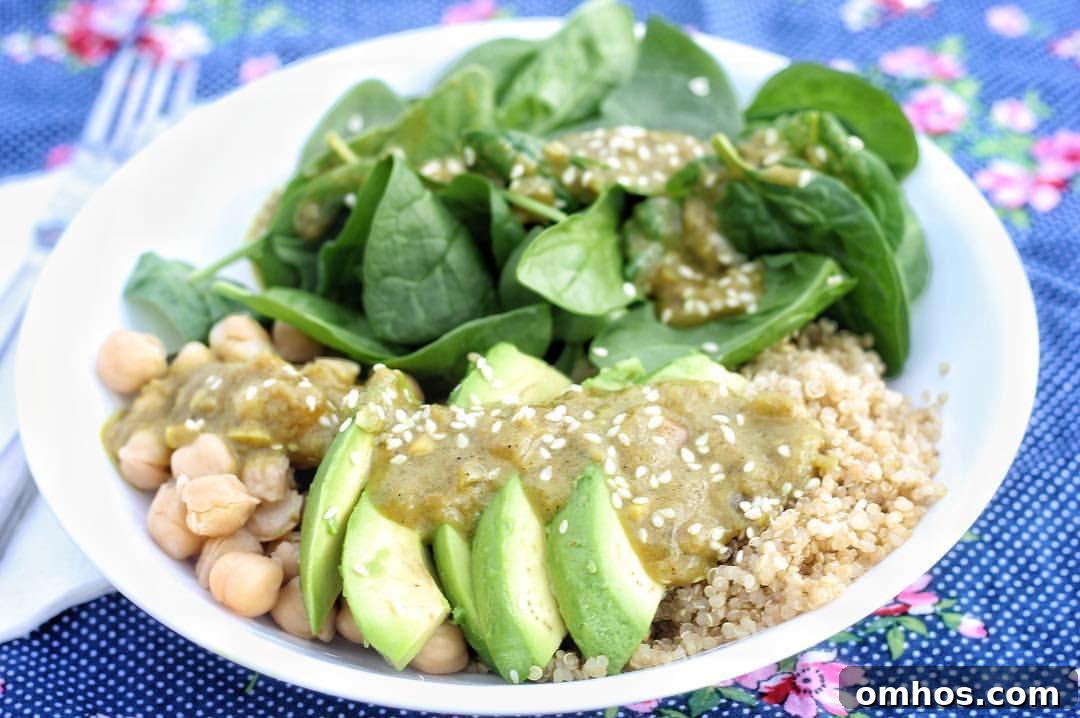
A friend brought me this Coconut Curry Buddha Bowl a few years ago when I was sidelined with a bad back. The bowl included a rich, creamy coconut curry sauce that was so comforting and flavorful I’ve been using the sauce in countless meals ever since. It’s simple to make, deeply satisfying, and versatile enough to dress up rice bowls, roasted vegetables, noodles, or salads.
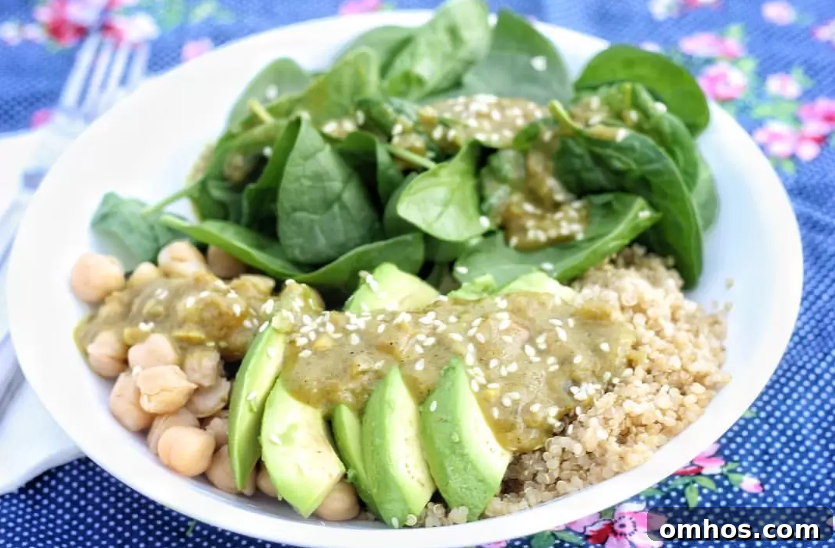
Coconut Curry Sauce
This coconut curry sauce is creamy, mildly spiced, and slightly sweet — the perfect complement for grains and legumes. It comes together quickly on the stovetop and keeps well, making it a great make-ahead option for meal prep or to add bold flavor to any Buddha bowl.
Course: Sauces & Dressings
Prep Time: 5 minutes
Cook Time: 12 minutes
Servings: 8
Ingredients
- 1 tsp coconut oil
- 1/2 yellow onion, chopped
- 2 cloves garlic, minced
- 1/2 T flour or 1 T tomato paste (to thicken)
- 1 1/2 T curry powder
- 1 (13.5 oz) can coconut milk
- 1 T soy sauce
- 1 T pure maple syrup
- 1/2 tsp salt, or to taste
Instructions
- Heat a skillet over medium heat and add the coconut oil. Once it shimmers, sauté the chopped onion until soft and translucent, about 3–4 minutes.
- Add the minced garlic and cook for about 30–60 seconds until fragrant, taking care not to burn it.
- Sprinkle in the flour and stir continuously to combine, cooking for 1 minute. If you prefer, substitute the flour with tomato paste to thicken and add a hint of acidity and color.
- Pour in the coconut milk, then stir in the curry powder, soy sauce, maple syrup, and salt. Bring the mixture to a gentle simmer, stirring to dissolve any clumps and to incorporate the spices.
- Reduce the heat and allow the sauce to simmer for 5–10 minutes, stirring occasionally, until it slightly thickens and the flavors meld. Taste and adjust seasoning — add more salt, a touch more maple syrup for sweetness, or extra curry powder for warmth.
- Serve warm over roasted chickpeas, quinoa, avocado, spinach, steamed rice, or roasted vegetables. The sauce pairs especially well with grain bowls and Buddha bowls, adding creamy richness and balanced spice.
Tips and Variations
This sauce is extremely adaptable. For extra depth, add 1 tsp grated fresh ginger with the garlic. If you like heat, stir in a pinch of red pepper flakes or a small amount of sriracha. To keep the sauce gluten-free, use a gluten-free flour or opt for arrowroot powder as a thickener; if using arrowroot, stir it into a little cold water before adding to the hot sauce to prevent clumping.
If your coconut milk separates (as full-fat coconut milk often does in the can), whisk well while heating to achieve a smooth texture. For a silkier sauce, blend briefly with an immersion blender or a countertop blender after simmering.
Serving Suggestions
Use this coconut curry sauce to elevate bowls built with roasted chickpeas, sautéed greens, roasted sweet potatoes, or grilled tofu. Spoon it over a bed of quinoa or brown rice and top with fresh herbs like cilantro or sliced green onions. A squeeze of lime right before serving brightens the flavors and balances the richness.
Storage
Allow the sauce to cool to room temperature, then store it in an airtight container in the refrigerator for up to 4 days. Reheat gently on the stove over low heat, whisking to recombine. The sauce can also be frozen for up to 2–3 months; thaw overnight in the refrigerator and reheat slowly, whisking to restore a smooth texture.
Nutritional Notes
The sauce relies on coconut milk for creaminess and maple syrup for a touch of natural sweetness. Adjust the soy sauce for sodium levels or substitute tamari for a gluten-free option. Because it’s made primarily from pantry staples, this sauce is an easy way to add bold flavor without complicated steps or exotic ingredients.
Whether you’re finishing a Buddha bowl, dressing roasted vegetables, or spooning it over rice and beans, this coconut curry sauce is a dependable, delicious option to keep in your recipe rotation.