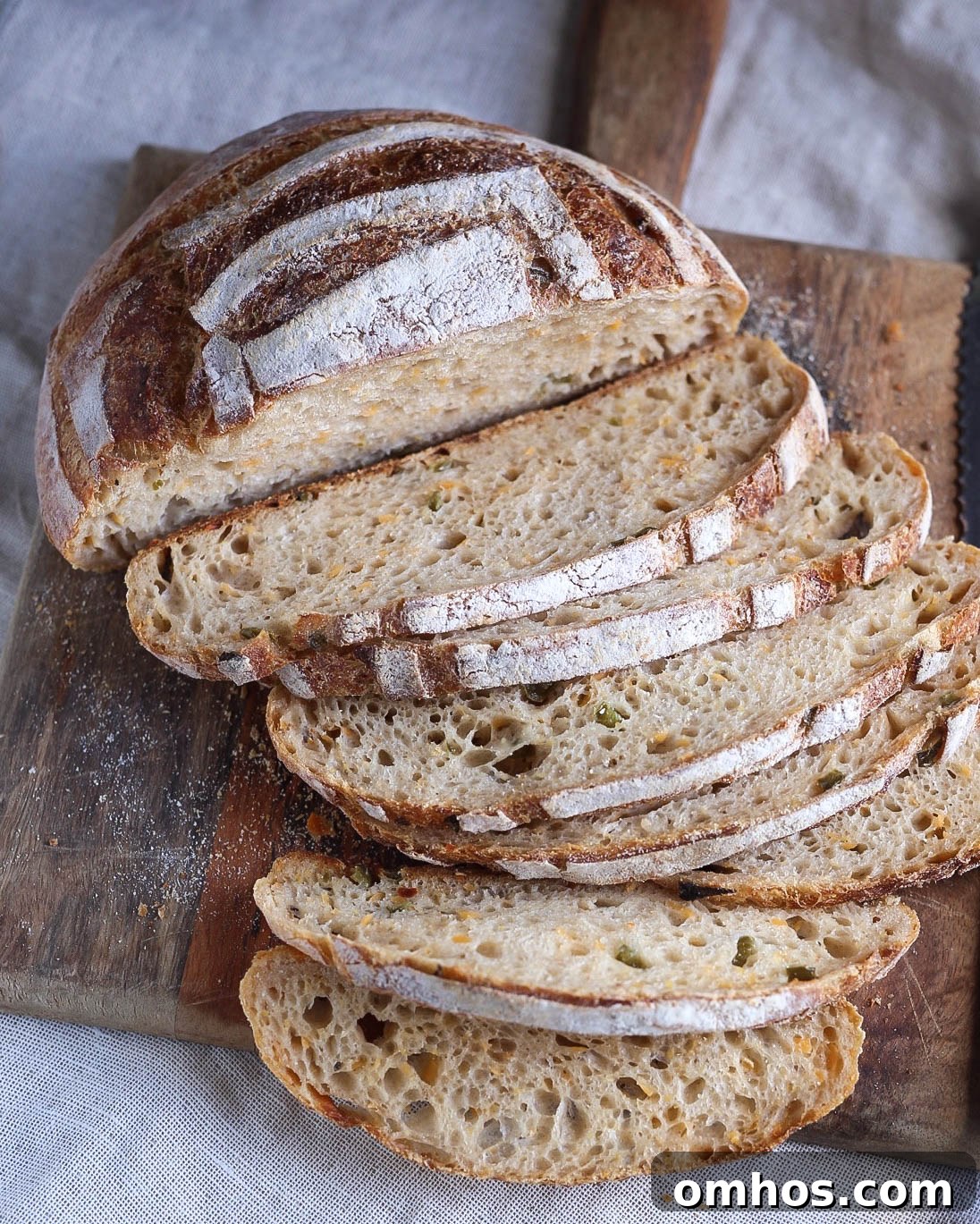
Years ago I spent a summer working in a bakery in my hometown of Austin, Texas. One of the loaves there was a yeasted “corn bread” made with cornmeal—not the quick-bread style made with baking powder, but a true yeasted loaf with cornmeal folded into the dough. That memory nudged me to experiment with bringing some cornbread character into my favorite sourdough. I set out to make a discard-starter loaf with cornmeal, extra-sharp cheddar, and jalapeño. The recipe is still evolving, but the first results were promising enough that I wanted to share them while I continue to refine the technique.
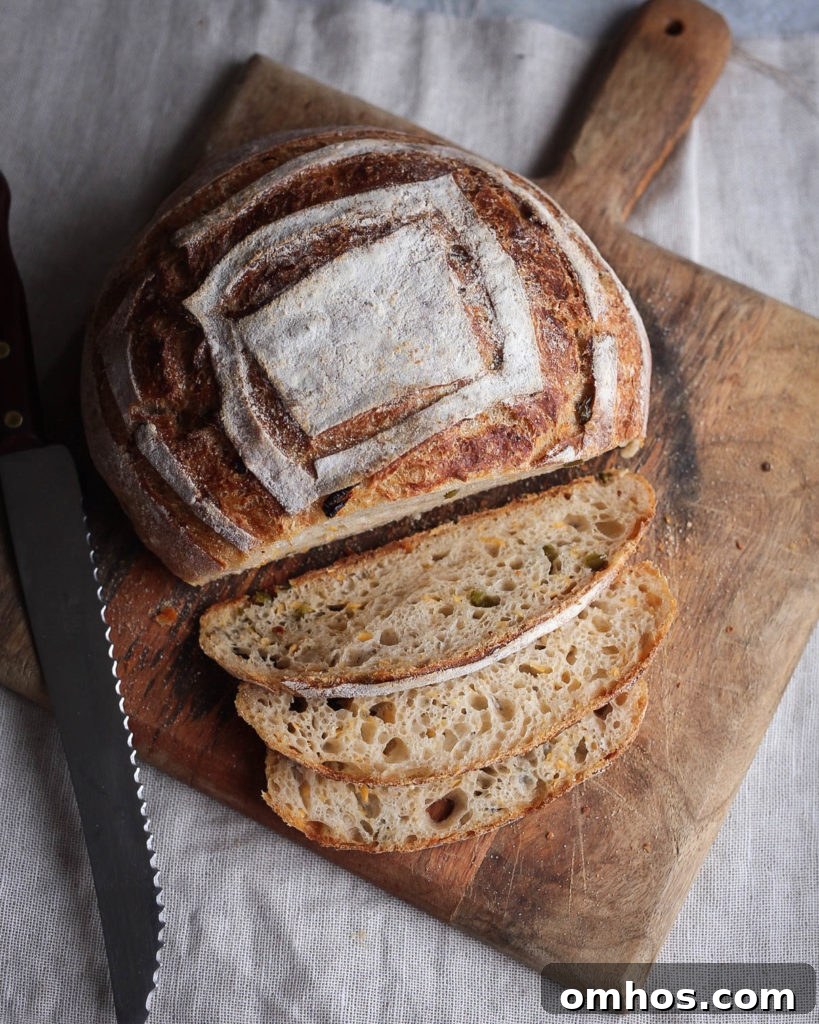
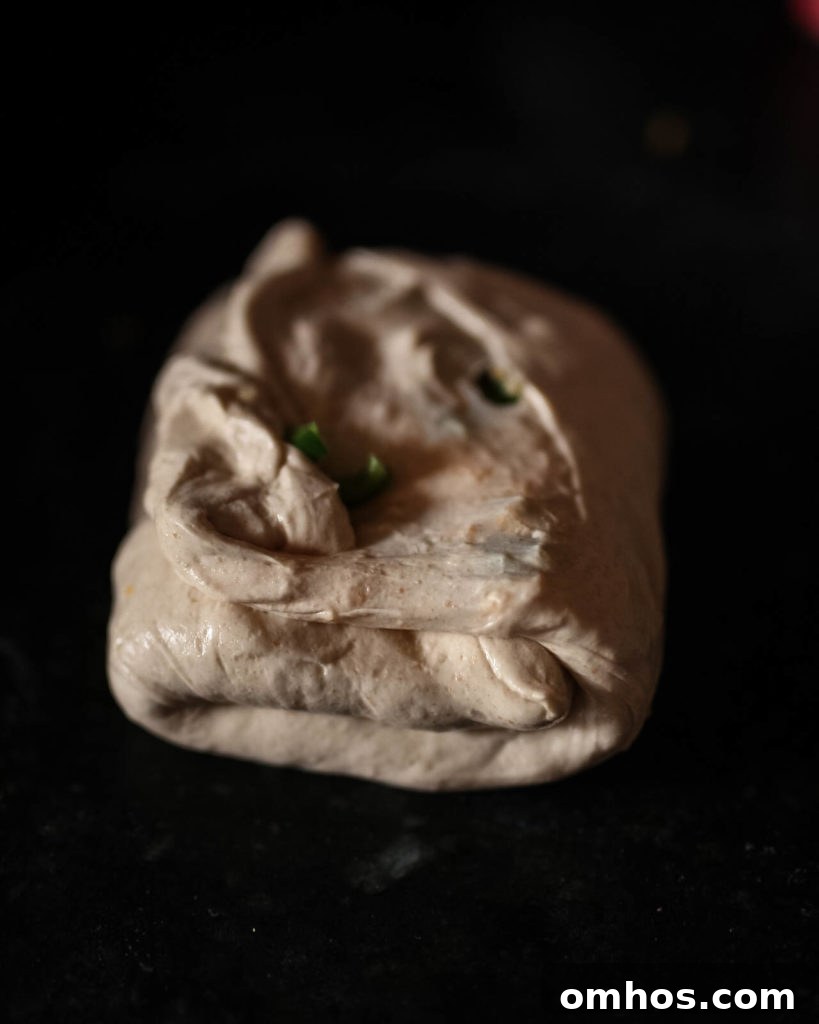
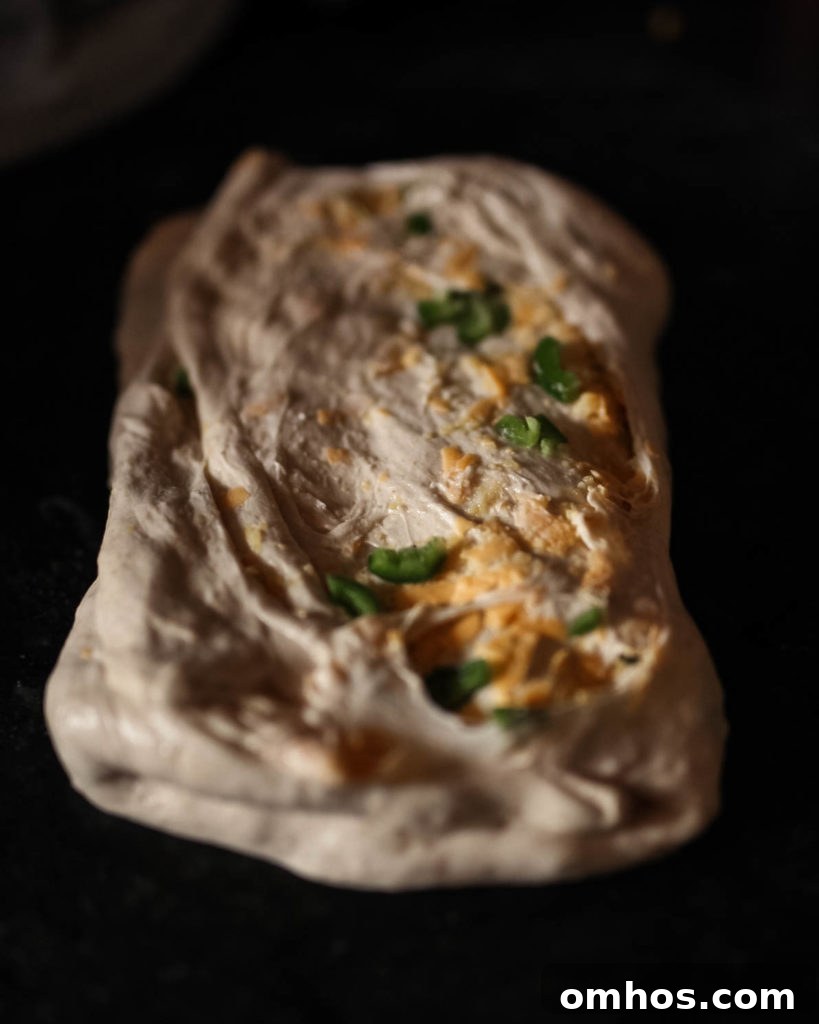
This loaf is leavened exclusively with discard starter. For more background on using discard starter as the only leavening agent, see the recipe titled “Country Loaf with Discard Sourdough Starter.” I made a few deliberate changes to that base formula to accommodate the cornmeal and mix-ins. My primary concern was that cornmeal and cheese could interfere with gluten development, so I used a true autolyse to give the flour time to hydrate and begin gluten formation before adding the starter and salt. I also cooked the cornmeal into a porridge rather than mixing dry cornmeal directly into the dough. The porridge is laminated into the dough along with the jalapeño and cheddar so the cornmeal feels integrated without shredding gluten strands.

I was also mindful of the cheese and jalapeño scorching on the crust, so I baked the loaf at a slightly reduced temperature during the uncovered phase: covered for 20 minutes at 475°F, then uncovered at 425°F for 25 minutes. In the past I’ve used cold water in discard-starter loaves to slow fermentation when I was out during the day; now that I work from home I used room-temperature water, which sped things up a bit.
The finished loaf had a softer, lighter crust than my usual sourdough and sliced beautifully—exactly what I hoped for. The aroma while baking was wonderful. I enjoyed slices simply with salted butter, as a savory avocado toast, and alongside black bean soup.
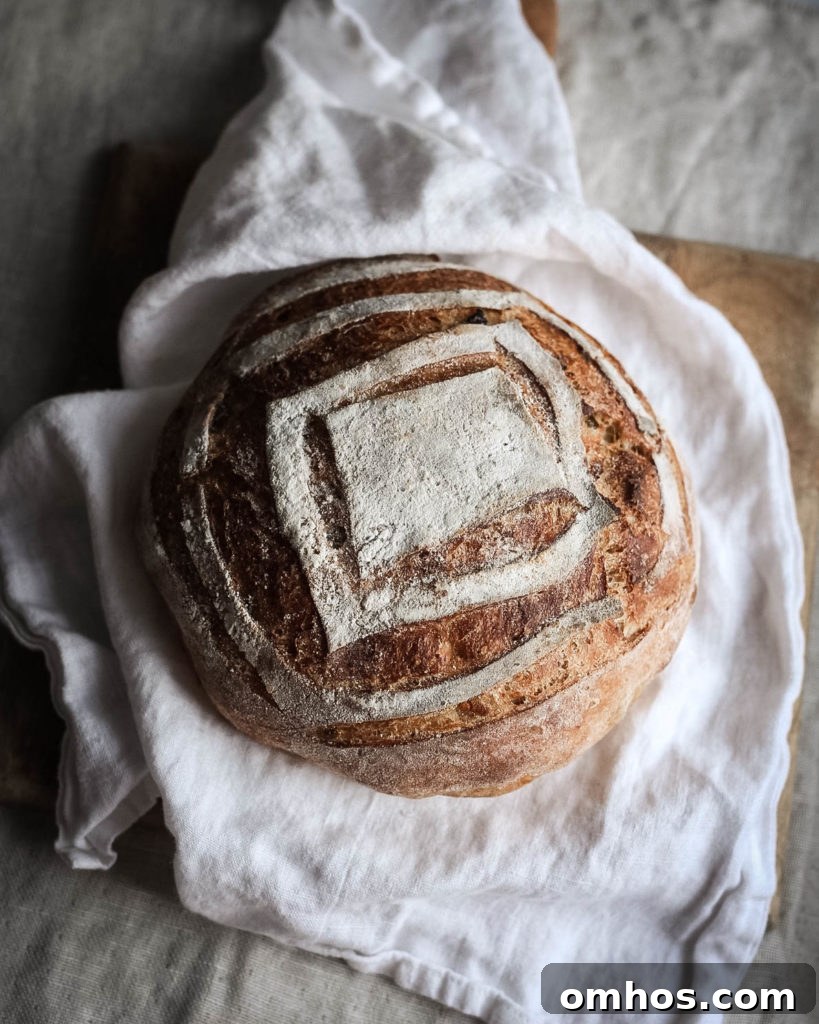
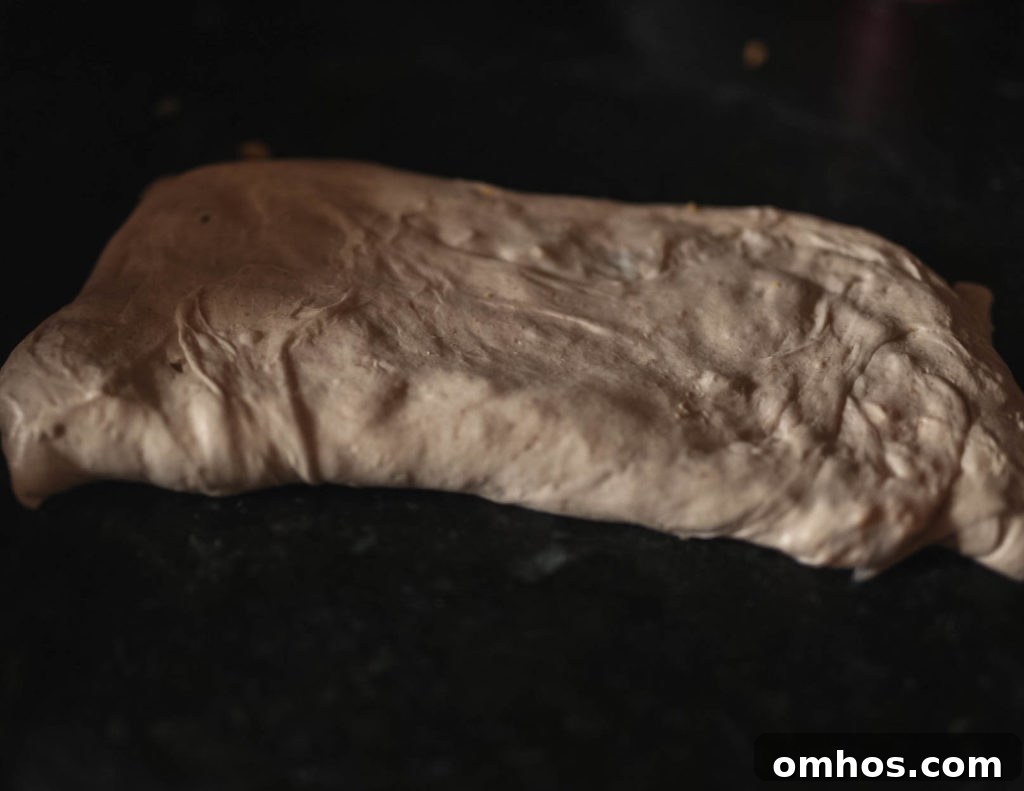
A few caveats: my final dough hydration was high—likely closer to 88–90%—because of water in the autolyse, the starter, and the added cornmeal porridge. That resulted in an extremely soft, puffy dough that was difficult to shape; I nudged it into a boule and refrigerated it overnight, and it scored and baked up very well despite the slack handling. If you prefer easier shaping, reduce the water amounts toward the lower ranges shown in the ingredients below, or use less cornmeal porridge.
Sourdough Discard Loaf with Cornmeal, Cheddar, and Jalapeño
A savory sourdough loaf leavened with discard starter and flavored with cornmeal porridge, extra-sharp cheddar, and jalapeño.
Ingredients
For the bread:
- 230–240 g spring or bottled water, room temperature, divided
- 270 g bread flour
- 30 g whole wheat flour
- 30 g discard sourdough starter
- 6 g fine salt
- 65–75 g cornmeal porridge (recipe below)
- 1 medium jalapeño, seeded and finely chopped
- 56 g extra-sharp cheddar, shredded
For the cornmeal porridge:
- 1/4 cup yellow cornmeal (medium grind recommended)
- 1/4 cup boiling water (to bloom the cornmeal)
- 1 cup water
- dash of salt
Instructions
- Autolyse: In a large wide bowl, combine 210 g water with the bread flour and whole wheat flour. Mix until no dry flour remains. Cover and rest 1–2 hours.
- Make the cornmeal porridge: In a small bowl, stir the cornmeal with 1/4 cup boiling water and let sit 10 minutes. In a small saucepan combine that mixture with 1 cup water and a dash of salt. Bring to a boil, then reduce heat and simmer, stirring constantly, until thick. Cool in a small bowl.
- Add the discard starter to the autolysed flour along with 10–15 g water, mixing with hands or a scraper until incorporated. Cover and rest 30 minutes.
- Add the salt and another 10–15 g water, work it in until evenly distributed, then cover and rest 20 minutes.
- Lamination: Turn the dough onto a work surface and stretch it into a large rectangle. Spread 65–75 g of the cooled cornmeal porridge over the dough. Sprinkle the chopped jalapeño and shredded cheddar over the porridge and press gently to help them stick. Fold the dough in thirds like a business letter, rotate 90 degrees, and repeat this flatten/stretch-and-fold two more times. Place the dough in a lightly covered bulk rise container and rest 30 minutes.
- Stretch-and-folds: Perform a stretch-and-fold, then repeat every 30 minutes for a total of 4–5 sets. After the last set, allow the dough to bulk ferment until it has increased about 50–60% in volume (6–12 hours, depending on starter activity and temperature).
- Pre-shape and bench rest: Gently turn the dough onto the counter and make a light preshape. Dust with flour, cover with a towel, and rest 15–20 minutes. Shape to your preferred form (boule or batard) and transfer to a well-floured banneton. Cover and refrigerate overnight (12+ hours recommended).
- Bake: Preheat a cast-iron Dutch oven or similar vessel to 475°F. When ready, flour the dough surface, turn it onto a piece of parchment, and score as you like. Place the loaf into the preheated vessel, cover, and bake covered for 20 minutes. Remove the lid, reduce the oven to 425°F, and bake another 25 minutes until the crust is golden.
- Cool: Remove the bread from the oven and cool completely before slicing.
Notes
• I specify spring or bottled water because heavily chlorinated tap water can harm wild yeast. Use tap water if it is low in chlorine in your area.
• Quantities for water and cornmeal porridge are given as ranges. I used the higher amounts and ended up with a very soft, high-hydration dough that was harder to shape but produced a tender loaf. To make handling easier, choose the lower values.
• I chose bread flour to encourage gluten development in a dough that includes cornmeal and mix-ins. Unbleached all-purpose flour may also work in many cases.
• For additional tips about discard-starter loaves, refer to the Country Loaf with Discard Sourdough Starter recipe for more on technique and troubleshooting.