This Homemade Vegan Butter recipe first appeared in 2018. Technically it is closer to a vegan margarine since it’s an emulsion of oils and soymilk, but it behaves like butter and looks like butter, so I usually call it plant butter. I have used this method on and off since I first published it, and it remains my favorite homemade option. Recently I’ve been making it more often because dairy butter has become expensive. I follow the original proportions most of the time, but I now often mold the butter in silicone mini muffin pans or small loaf tins and occasionally add small variations for extra flavor, noted below.
What’s in vegan butter?
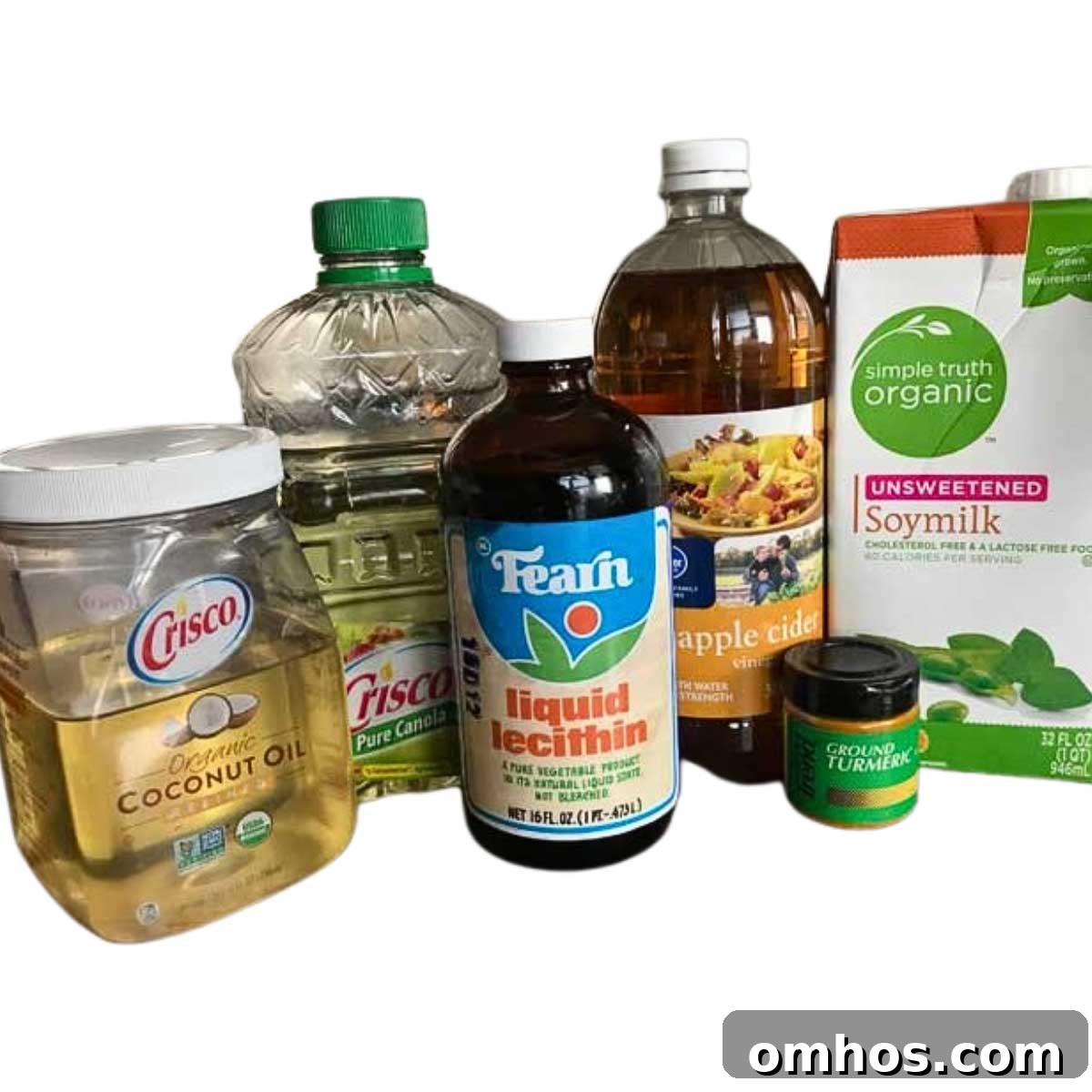
This vegan butter is essentially a blended emulsion of melted coconut oil, another neutral oil (such as canola or sunflower), and cultured soy milk made with apple cider vinegar. A small amount of liquid lecithin helps stabilize the emulsion and gives the finished spread a smooth, creamy texture that behaves well in baking and as a table spread. A pinch of turmeric gives it a slightly buttery color. In my experience it is preferable to many store-bought vegan baking sticks and margarine for both texture and flavor when used in recipes.
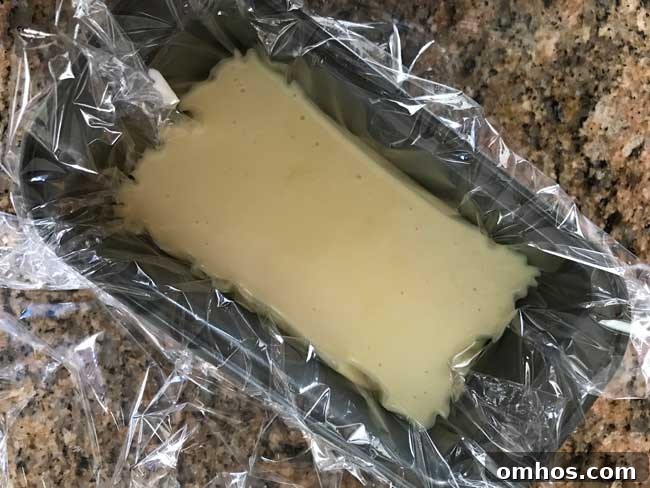
The original version of this recipe included xanthan gum to create a softer, more easily spreadable finish straight from refrigeration. I found that omitting xanthan gum and simply softening the butter at room temperature before spreading works well for most uses. I have also switched from silicone molds to small loaf pans lined with plastic wrap at times—either approach works fine. The finished butter is versatile: it spreads readily when softened and can be cut, measured and baked with the same way as dairy butter in many recipes.
Uses for vegan butter
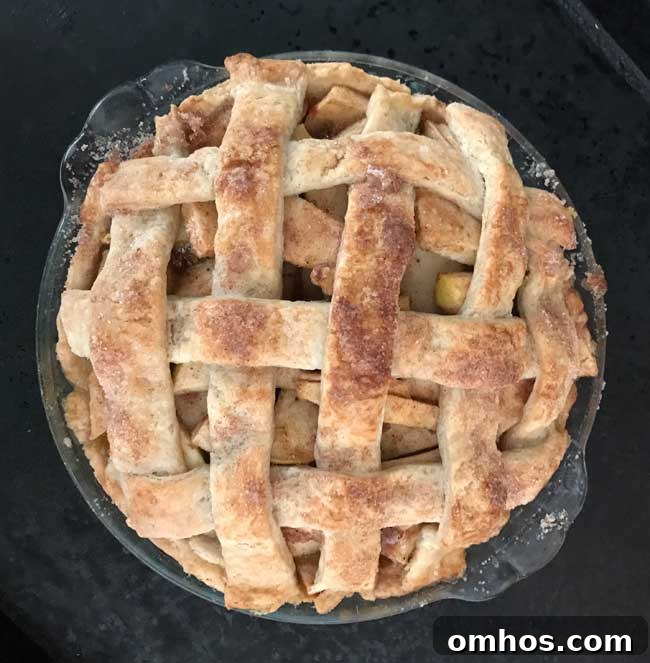
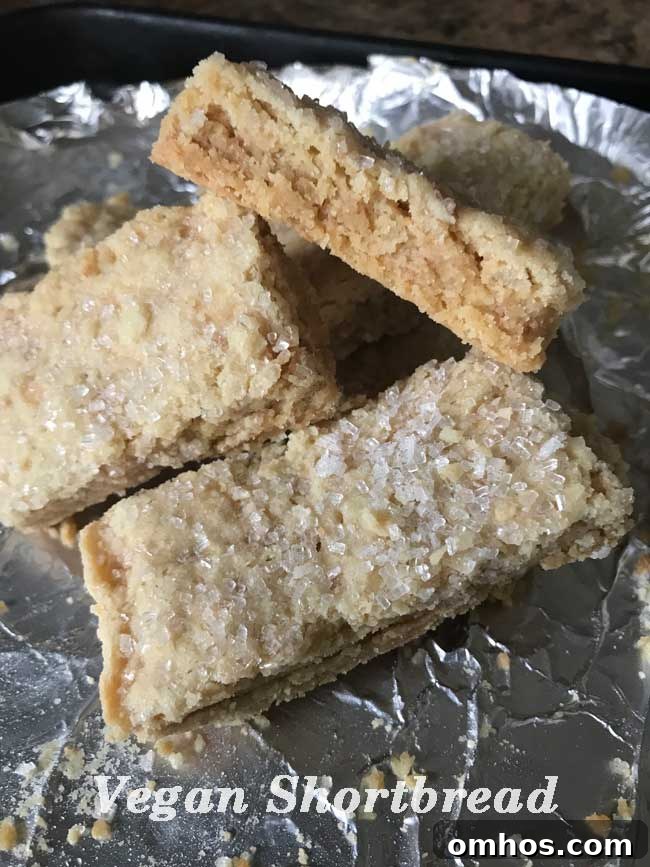
I use this vegan butter in scones, chocolate chip cookies, garlic bread, pie dough and many other baked goods where it stands in nicely for butter or shortening. It also works beautifully in shortbread, producing a light, crumbly texture with a subtle buttery note that likely comes from the soy milk and acidified vinegar. For baking, weigh the butter when a precise substitution is needed: 114 grams equals a half cup.
This recipe makes a small batch so it’s easy to experiment. If you like the result, you can double or triple the ingredients to make larger quantities. It sets in about an hour in the freezer, and will keep in the refrigerator for several weeks or in the freezer for longer storage. Always softening it a bit before spreading will improve the texture for table use.
Adding flavorings and color
The base recipe tastes subtle and lightly buttery. To enhance flavor, try stirring in 2 teaspoons of white miso or 1 teaspoon of nutritional yeast; each adds savory depth without overpowering the butter. For color, a small pinch of turmeric is effective; alternatively, annatto seed powder can be used if you prefer a natural orange tint. I sometimes add one tablespoon of a buttery-flavored popping and topping oil, which gives a touch of color and a tiny hint of buttery aroma because it is made from soybean oil. Use these additions sparingly—small amounts go a long way.
Substitutes for lecithin
Liquid lecithin or sunflower lecithin helps stabilize the emulsion and finish. If you don’t have lecithin, here are a few alternatives to try; these are suggested approaches and may require slight adjustments:
- ½ teaspoon Dijon mustard: mustard contains natural emulsifiers and can help hold the emulsion together. In most baked goods its flavor is not noticeable.
- 1 tablespoon aquafaba: reduce the soy milk by 1 tablespoon to keep total water content similar. Aquafaba contains proteins that can aid emulsification.
- A tiny pinch of xanthan gum: a very small amount can stabilize the blend and replace lecithin if necessary—use cautiously because a little xanthan goes a long way.
I’ve also experimented with butter-flavored coconut oil. Replacing all the coconut oil with that may produce a more pronounced artificial butter note, so if you try it, start with one or two tablespoons rather than the full amount.
Recipe
Vegan Butter
An easy, small-batch recipe for homemade vegan butter. Scale up if you want more.
Ingredients
- ¼ cup soy milk (about 60 grams)
- 1 teaspoon apple cider vinegar
- ⅛ teaspoon salt (optional)
- ½ cup melted coconut oil plus 2 tablespoons (about 130 grams total)
- 1 tablespoon any neutral oil (canola, sunflower, or buttery topping oil)
- 1 teaspoon liquid soy lecithin or sunflower lecithin
- 1 pinch turmeric (optional, for color)
Instructions
- Line a mini loaf pan (about 3 x 5 inches) with plastic wrap. If you don’t have a mini loaf pan you can use a small bowl, custard cups or muffin tins.
- Measure the soy milk and stir in 1 teaspoon apple cider vinegar and the salt. Let the mixture rest for about 10 minutes so it curdles and thickens slightly.
- Place the melted coconut oil and the additional oil in the bowl of a food processor or blender. Add the soy milk mixture, lecithin and turmeric if using. Blend or process for about 2 minutes, until smooth and well emulsified.
- Carefully pour the emulsion into the prepared pan, smoothing the top. Transfer to the freezer to set for about 1 hour.
- You should yield about 1 cup of vegan butter. For baking, measure 114 grams for each ½ cup called for in a recipe.
Notes
If you use a buttery-flavored popping and topping oil, it can eliminate the need for turmeric and adds a hint of buttery aroma. Because that oil is soybean-based it might have a small effect on browning in baked goods, though results can vary by recipe.