I’ve owned an Instant Pot for over two years and I’m still learning new tricks. Experimenting with recipes is part of the fun, but along the way I’ve discovered a number of mistakes beginners often make. Below are nine practical Instant Pot don’ts, explained in clear, friendly terms to help you avoid common problems and get better results from your pressure cooker.
1. Read the manual
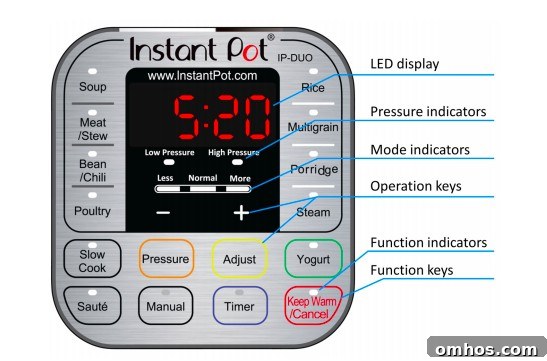
It sounds obvious, but reading the instruction manual will save you time and frustration. The manual explains the basics: what each button does, safety features, and care instructions. Many questions can be answered by skimming the introductory pages and the quick-start guide. If you don’t have the printed booklet, check the manufacturer’s website for an electronic copy of your model’s manual.
2. Don’t pressurize without liquid
An Instant Pot needs liquid to build pressure. Always include at least 1/2 to 1 cup of water, broth, or another cooking liquid unless a recipe explicitly states otherwise. Without enough liquid, the cooker won’t form steam and won’t reach pressure, so your food won’t cook as intended.
3. Don’t forget to set the valve to “Sealing”
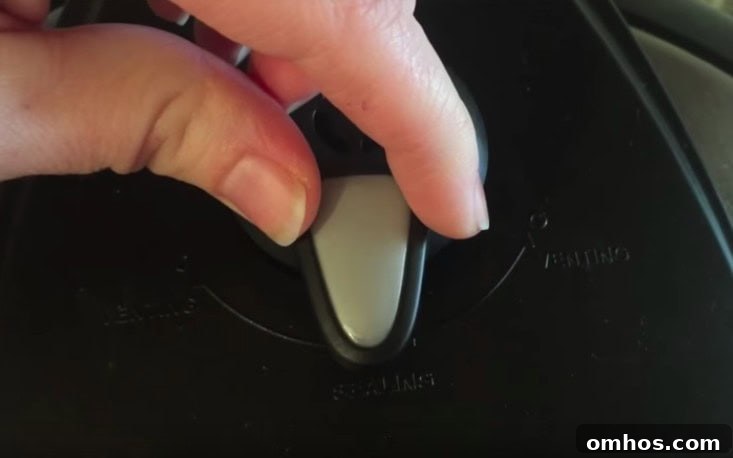
Before starting a pressure cycle, confirm the pressure release valve is in the SEALING position. If it’s left on VENTING, the pot can’t pressurize and the recipe won’t work. It’s a small detail that’s easy to overlook when you’re juggling ingredients and pans.
4. Don’t put your hand over the vent during a quick release
Quick release sends a strong blast of hot steam out of the pressure valve. Never place your hand directly over the steam vent; use a long utensil or an oven mitt if you need to guide the valve, and keep your face and exposed skin away. Steam can cause serious burns, so take your time when releasing pressure.
5. Don’t overfill the pot
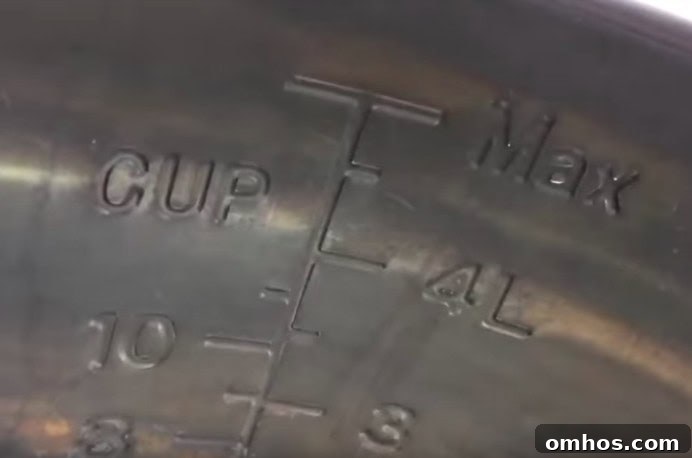
Overfilling can prevent proper pressurization and increase the risk of food splattering through the vent. Follow the maximum fill lines on the inner pot—generally leave at least two inches of headspace below the rim, and avoid filling above the MAX line, especially with foamy or starchy foods.
6. Don’t use the stainless steel inner pot on a stovetop or direct heat
The removable stainless steel inner pot is designed for use inside the electric cooker only. Placing it on a burner or in an oven can warp or damage the pot. Stick to using it in the Instant Pot and follow the care instructions in your manual to keep it in good condition.
7. Don’t quick-release foamy or starchy foods
Foods that create foam or large amounts of starch—such as lots of rice, potatoes, beans, or thick soups—can spurt out through the pressure valve during a quick release. Use a natural release or a cautious partial release for these recipes to avoid a messy, potentially dangerous spray. If you must use quick release, consider catching the steam with a folded paper towel draped over the valve (replace it as needed), but natural release is usually the safer option.
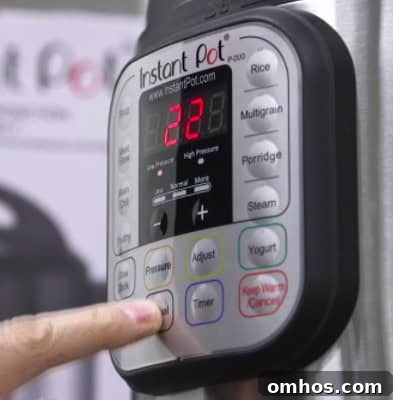
8. Don’t forget to set the cooking time
It’s easy to assemble everything, lock the lid, and forget to start the timer. Double-check that you’ve selected the correct program and set the cook time before walking away. If the device isn’t set to run, your ingredients will sit in the pot and won’t cook properly.
9. Don’t forget to plan for pressurizing time
Many recipes list only the actual pressurized cooking time, but the Instant Pot also needs time to reach pressure and to depressurize. Pressurizing often takes several minutes—commonly 10–20 minutes depending on the volume and temperature of ingredients—so add that to your total cooking time when planning meals.
Video and extra resources
I’ve created a short video demonstrating these nine Instant Pot don’ts; look for it on my channel if you’d like a visual walkthrough. The video complements these tips and shows a few safe ways to release steam and manage common issues.
More tips about choosing a size
If you’re cooking for one or two people, a 3-quart model is convenient and efficient. For families or batch cooking, a 6-quart is the most versatile choice, and an 8-quart offers extra capacity for larger gatherings. Choose the size that matches your typical meal planning.
Final practical suggestions: keep a small kitchen timer or use the cooker’s delay features to coordinate meal timing, sanitize the sealing ring regularly to prevent odors, and always verify that the float valve moves freely before use. With a little practice and attention to these dos and don’ts, your Instant Pot can become one of the most helpful tools in your kitchen.