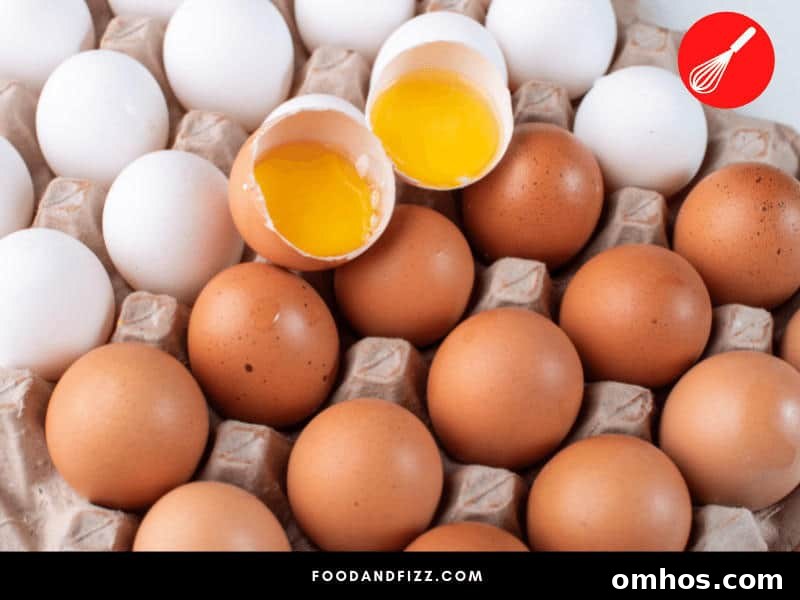
Eggs are a breakfast favorite around the world, prized for their flavor, versatility, and concentrated nutrition. Many people buy eggs from grocery stores or supermarkets and rarely consider their origin. If you collect eggs from a farm or keep backyard hens, it’s obvious eggs come from chickens and that hens regularly lay them. But do store-bought eggs ever hatch into chicks?
Short answer: almost never. Store-bought eggs typically do not hatch. Below we explain why commercial eggs rarely contain fertilized embryos and cover related questions about fertilization, safety, and how to identify fertilized eggs.
Table of Contents
Why Don’t Eggs Hatch?
Commercial eggs usually don’t hatch because they are not fertilized. Most large-scale egg suppliers keep only female hens and do not house roosters, so the eggs laid have not been fertilized. While small farms or backyard flocks that include a rooster may produce fertilized eggs, the vast majority of eggs sold at grocery stores are unfertilized and therefore cannot develop into chicks.

Why Do Chickens Lay Eggs?
Like other animals, chickens reproduce to continue their species, and they do this by laying eggs. For an egg to develop into a chick, it must be fertilized by a rooster. If fertilization does not occur, the hen still lays the egg, but it contains no embryo.
Birds, including chickens, nurture embryos outside the mother’s body. A single egg contains all the nutrients a developing chick would need, which is also why eggs are a nutrient-dense food for humans.

How Often Do Chickens Lay Eggs?
Hens typically lay eggs roughly once a day, though they may skip days. In nature, hens form a “clutch” — a group of eggs they intend to incubate — often totaling around a dozen, though clutch size varies by breed and conditions. If eggs are continually removed, a hen may continue laying to complete her clutch.
Selective breeding in commercial flocks has changed laying patterns so many hens produce eggs year-round, suppressing seasonal breaks that once protected offspring from harsh conditions.
How Likely Is It That I Am Consuming a Fertilized Egg?
If you buy eggs at a grocery store, it’s highly unlikely they are fertilized. Several industry practices make fertilized eggs rare in commercial cartons:
1. Suppliers
Most commercial egg operations house only hens and no roosters, eliminating the possibility of fertilization at the source.
2. Inspection
Eggs are inspected during processing. If development has begun inside an egg, it is likely to be detected and removed before packaging.
3. Storage
Commercial eggs are typically refrigerated during handling and transport. Cold storage prevents embryonic development, so even a fertilized egg will not progress into a chick under standard supply-chain conditions.
If a fertilized egg were to slip through these safeguards and arrive in your carton, it would not pose a health risk.

What Are the Health Risks of Eating a Fertilized Egg?
Fertilized eggs are safe to eat and are nutritionally the same as unfertilized eggs. They won’t change the taste or texture of your recipes, and they do not present additional health risks simply because they were fertilized.
How To Tell If An Egg is Fertilized
If you collect eggs from hens that have access to a rooster and want to know whether an egg is fertilized, here are two common methods:
1. Crack the egg and inspect the yolk
A fertilized egg contains a germinal disc on the yolk that may look like a small donut with a clear center. In unfertilized eggs the disc is present but appears as a solid white spot without the clear center.
2. Candling
Hold the egg up to a bright light several days after incubation to check for embryo development and blood vessels. Cloudiness or visible veins can indicate a fertilized egg that has begun to develop, but without consistent incubation, development will not proceed.

What are the Health Benefits of Eggs?
Eggs are nutrient-dense, providing high-quality protein, vitamins, minerals, and compounds that support eye and heart health. They can raise beneficial HDL cholesterol, help cellular function, and contribute to overall healthy aging. For many diets, eggs are an affordable and versatile source of concentrated nutrition.

What Are the Uses of Eggs?
Beyond being enjoyed on their own—fried, scrambled, or boiled—eggs are essential in cooking and baking. They act as emulsifiers in dressings and sauces, leavening and binding agents in baked goods, and provide structure and richness to custards, pasta, cakes, and frostings.
Are Eggs Safe to Eat?
Eggs are safe and nutritious when handled and cooked properly. Because eggs can carry Salmonella, follow food-safety guidelines: buy from reputable sources, refrigerate eggs, cook them until both yolk and white are firm or to an internal temperature of at least 160°F (71°C), and avoid tasting raw batter or dough that contains raw eggs. Consider pasteurized eggs for recipes that call for raw or lightly cooked eggs.
Conclusion to Why Don’t Eggs Hatch (Store-Bought)?
In summary, store-bought eggs rarely hatch because most commercial egg producers keep only hens, inspections remove eggs with signs of development, and refrigeration prevents embryos from developing. If a fertilized egg does reach a consumer, it is safe to eat and won’t affect the taste or safety of your meals.
Frequently Asked Questions on Why Don’t Store-Bought Eggs Hatch?
Are fertilized and unfertilized eggs different in taste?
They taste the same and have essentially the same texture and nutritional value.
Can you hatch chicks from supermarket eggs?
No—because most supermarket eggs are unfertilized, they will not hatch.
Are all laid eggs fertilized?
No. Hens will lay eggs regardless of whether a rooster is present; many laid eggs are unfertilized.