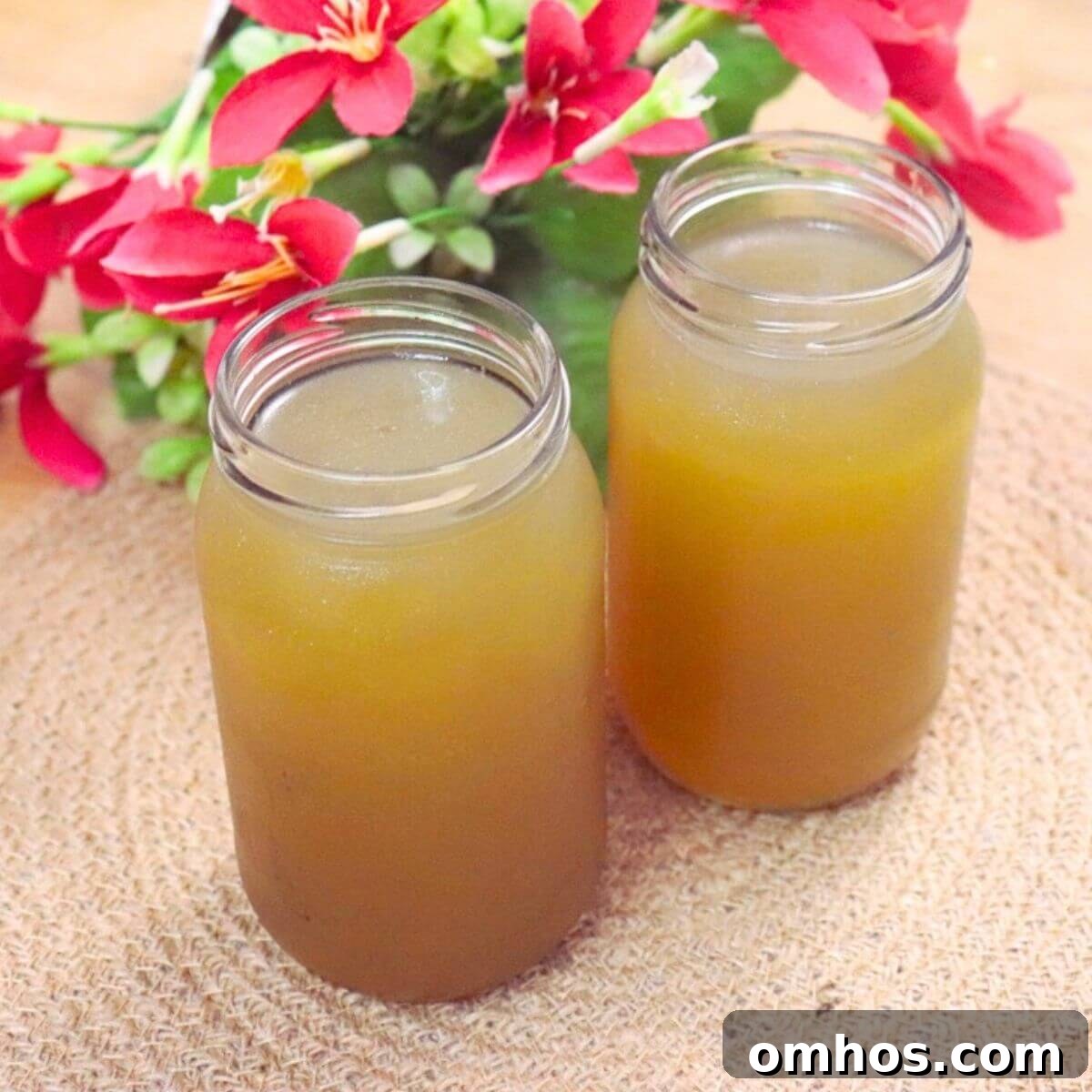
This homemade chicken stock is made from chicken bones, aromatic vegetables, and a few simple herbs. I use bone-heavy curry-cut chicken when a full carcass is hard to find. The method is straightforward and forgiving—simmer on the stovetop to produce a clear, savory stock that instantly improves soups, stews, gravies, rice dishes, and sauces.
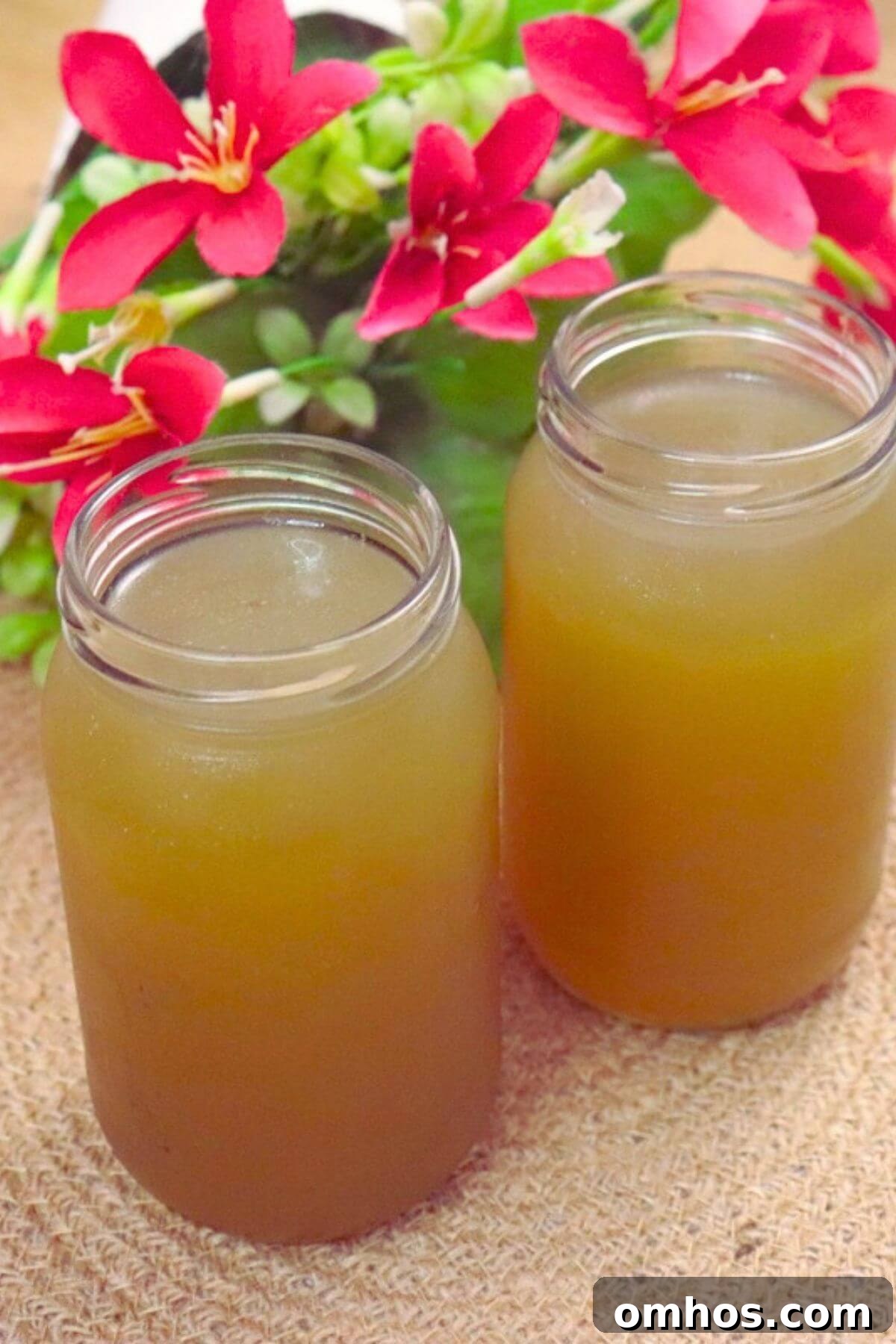
The flavor of this chicken stock comes from bones, vegetables, and herbs rather than meat. If you use curry-cut chicken, trim off any excess meat and reserve it for another dish before adding the bones to the pot. The important element is the bones—those release collagen and body as the stock simmers.
Why You’ll Love This Recipe
- Accessible ingredients: Curry-cut chicken and leftover bones work well if a whole carcass is unavailable.
- Beginner-friendly: Add the ingredients to a pot, simmer gently, skim occasionally, and strain—easy and hard to get wrong.
- Flexible: No strict formula—use the vegetables and herbs you have on hand and adjust to taste.
- Waste-minimizing: A great way to use vegetable scraps, herb stems, and leftover bones.
- Flavor booster: Homemade stock elevates soups, rice, sauces, and braises compared to store-bought stock.
- Freezer-friendly: Make a large batch and freeze in portions for quick meals later.
Quick Look: Homemade Chicken Stock
- Prep time: 10 minutes
- Cook time: About 2 hours (longer if you prefer a richer stock)
- Servings: About 6 cups
- Calories: ~20 kcal per cup (approximate)
- Key ingredients: Chicken bones or carcass, onion, carrot, celery, fresh thyme, bay leaves, peppercorns
- Method overview: Combine bones, vegetables, herbs and cold water → bring to a gentle boil → reduce to a low simmer and cook → skim impurities → strain, chill, remove fat, and store or freeze.
- Flavor profile: Savory, aromatic, and mildly seasoned so you can control salt later.
Ingredients Needed
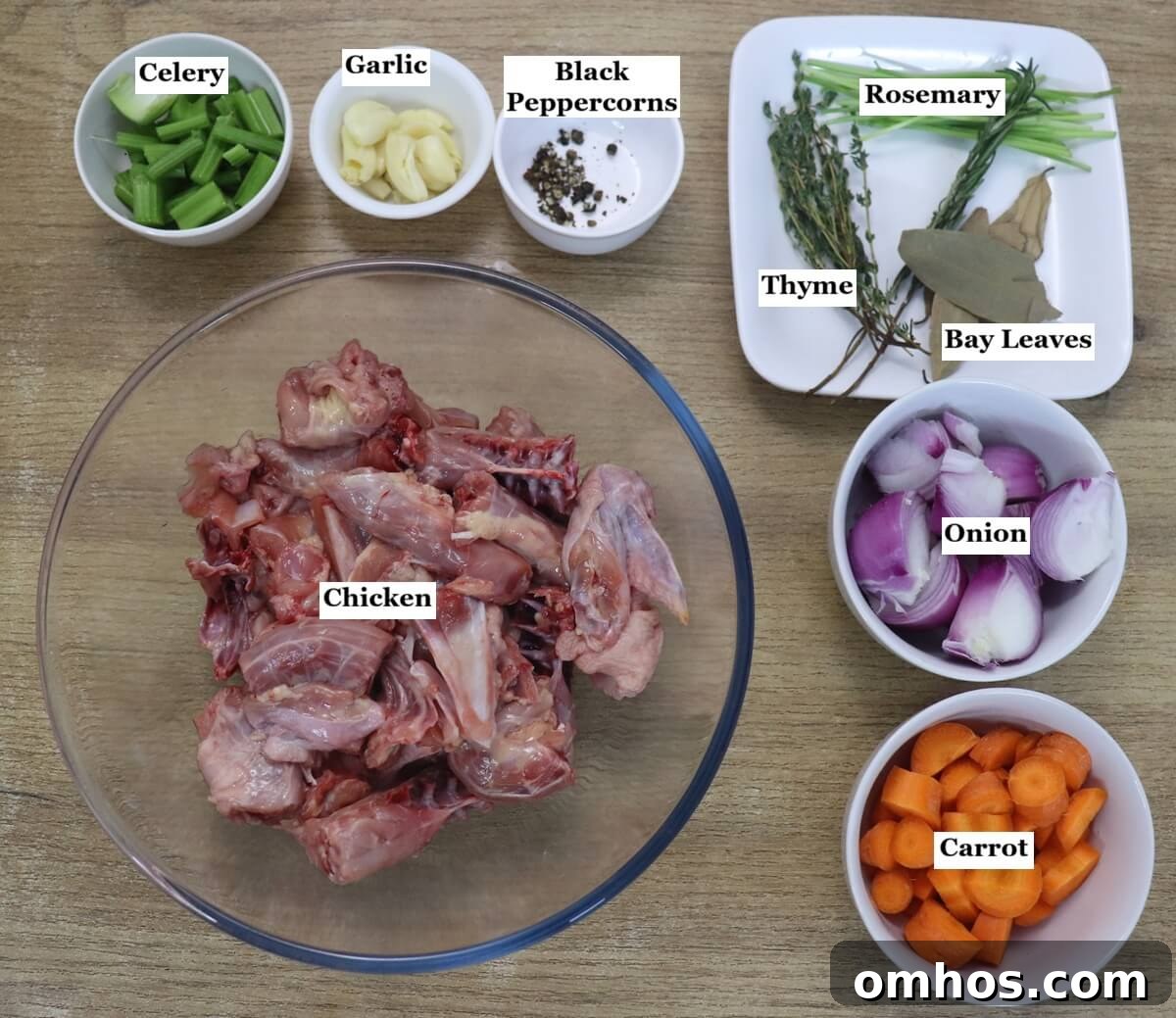
Use the recipe card below for exact measurements and a printable layout.
- Chicken bones or carcass: 1 kg of bones or a carcass. Curry-cut pieces with extra bones work well—trim most of the meat off first.
- Onion: 1 onion, quartered.
- Carrots: 2 carrots, roughly chopped.
- Celery: 2 stalks, chopped.
- Garlic: 4 cloves, slightly crushed (optional).
- Fresh thyme: 4–5 sprigs (or 1 tsp dried thyme).
- Bay leaves: 2 leaves.
- Rosemary: 1–2 sprigs (optional).
- Peppercorns: About 12, lightly crushed.
- Coriander or parsley stems: 3–4 stems (optional).
- Water: About 9 cups, or enough to cover the ingredients by an inch or two.
How to Make Homemade Chicken Stock
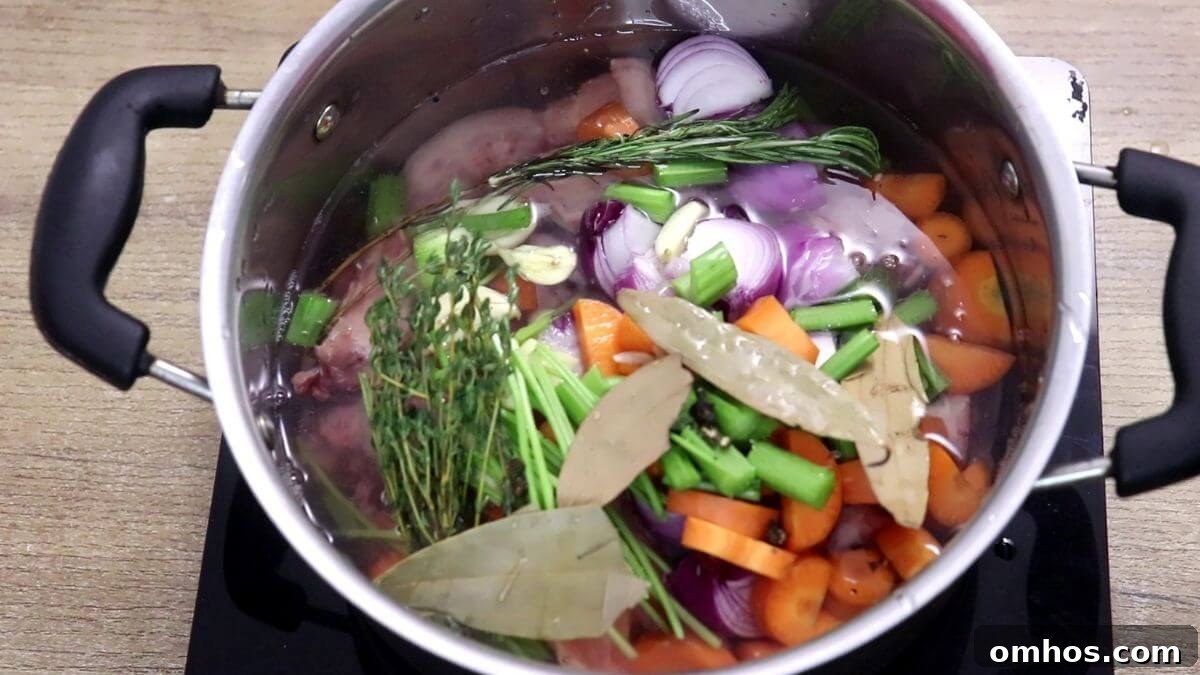
Step 1: Place the chicken bones and any small amounts of leftover meat into a large stockpot or Dutch oven. Add onion, carrots, celery, garlic, thyme, rosemary (optional), bay leaves, coriander or parsley stems (optional), peppercorns, and cold water.
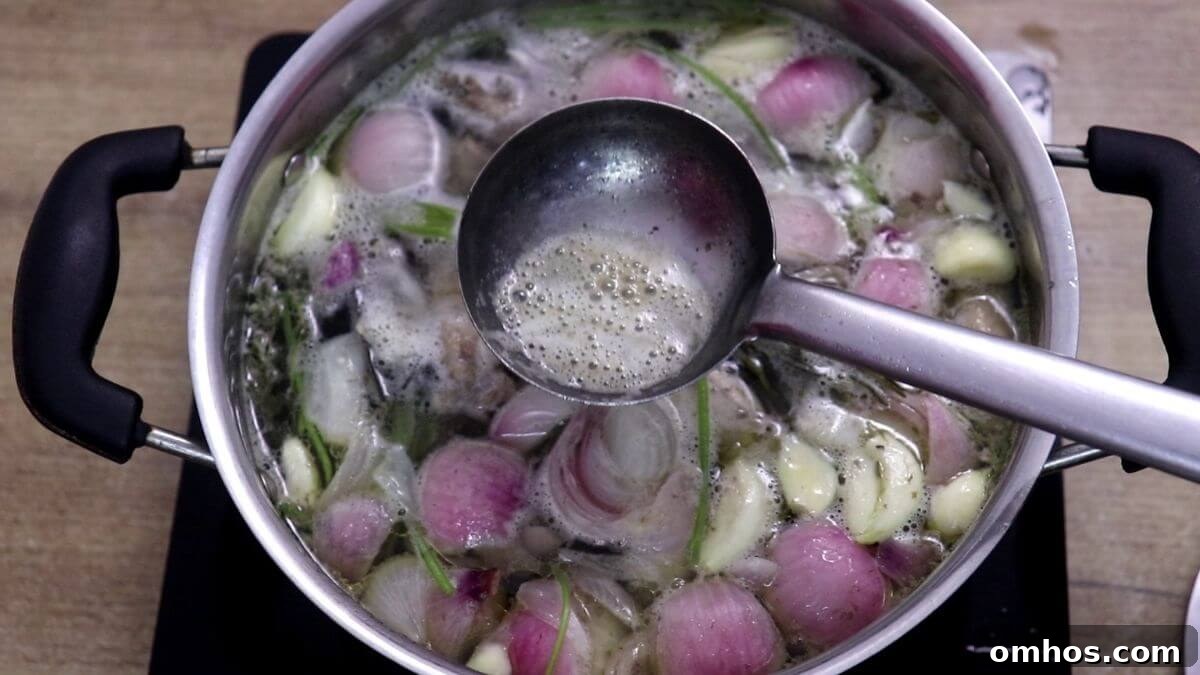
Step 2: Heat to a gentle boil over medium heat, then reduce to low so the liquid barely simmers. Cook for about 2 hours, skimming any foam or impurities from the surface for a clearer stock.
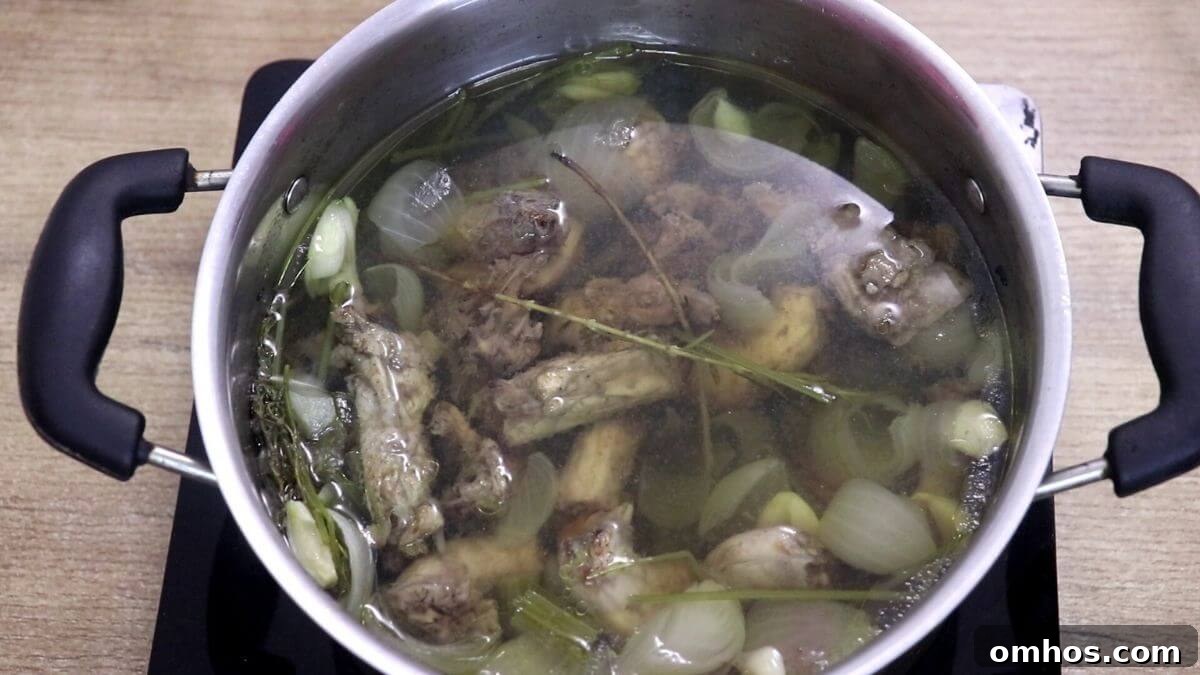
Step 3: After about 2 hours the stock will have a good body and flavor. You can simmer longer for a richer, more concentrated stock, or stop earlier for a lighter broth.
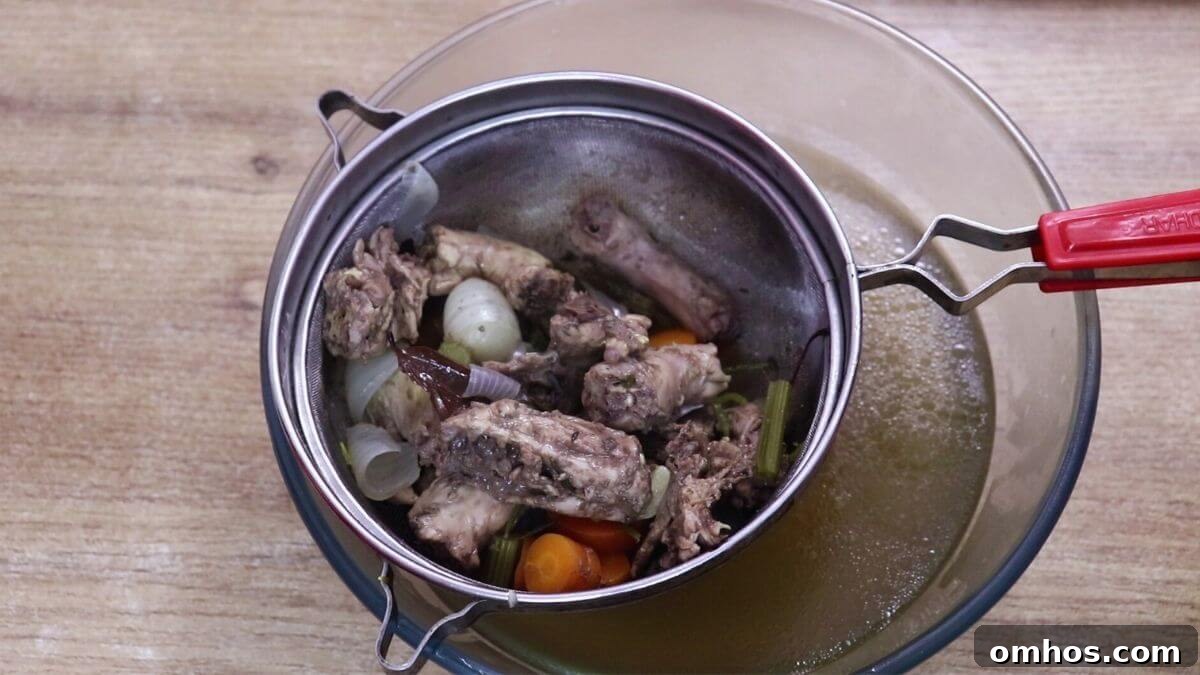
Step 4: Strain the stock through a fine-mesh sieve into a large bowl. If you want an extra-clear stock, line the sieve with cheesecloth. Let the strained stock cool to room temperature before refrigerating.
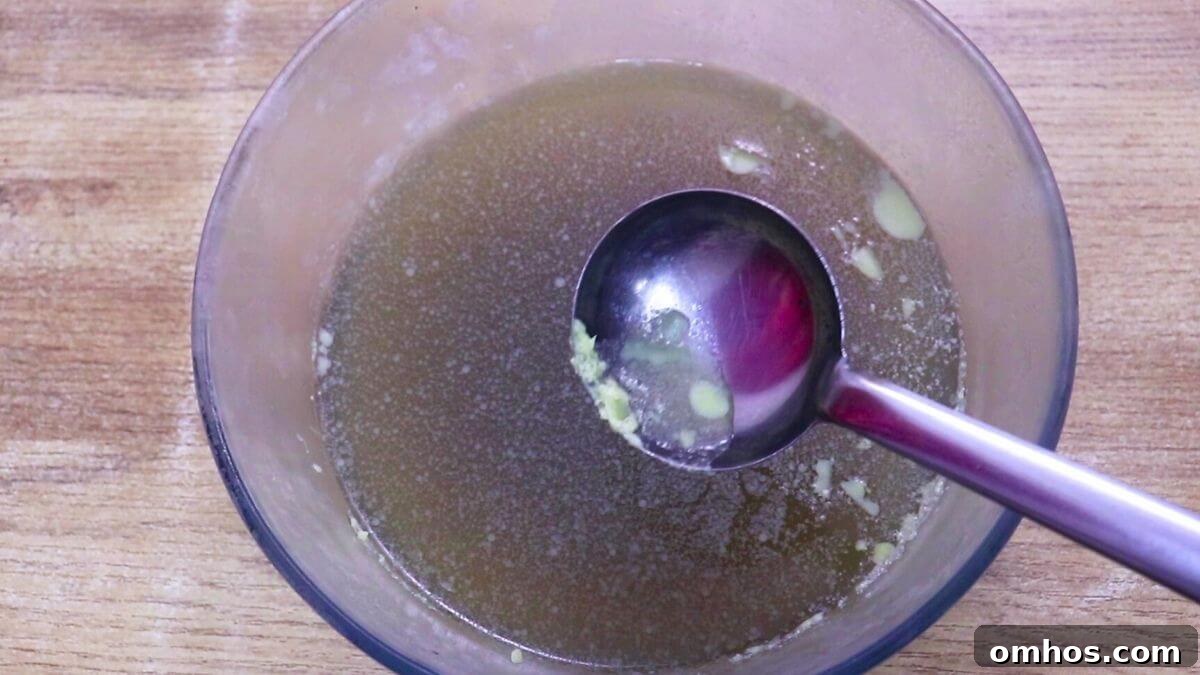
Step 5: Once chilled, a solid layer of fat will rise to the top. Remove it with a spoon or ladle. Passing the stock through the sieve again makes fat removal easier and leaves the stock clearer.
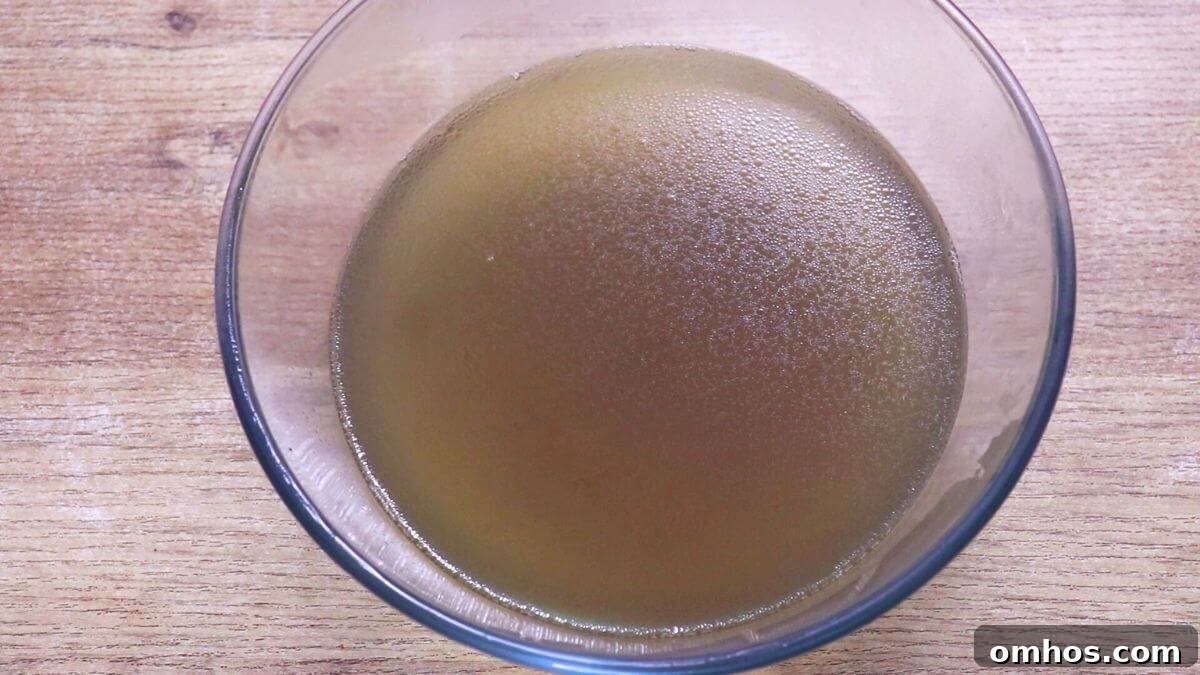
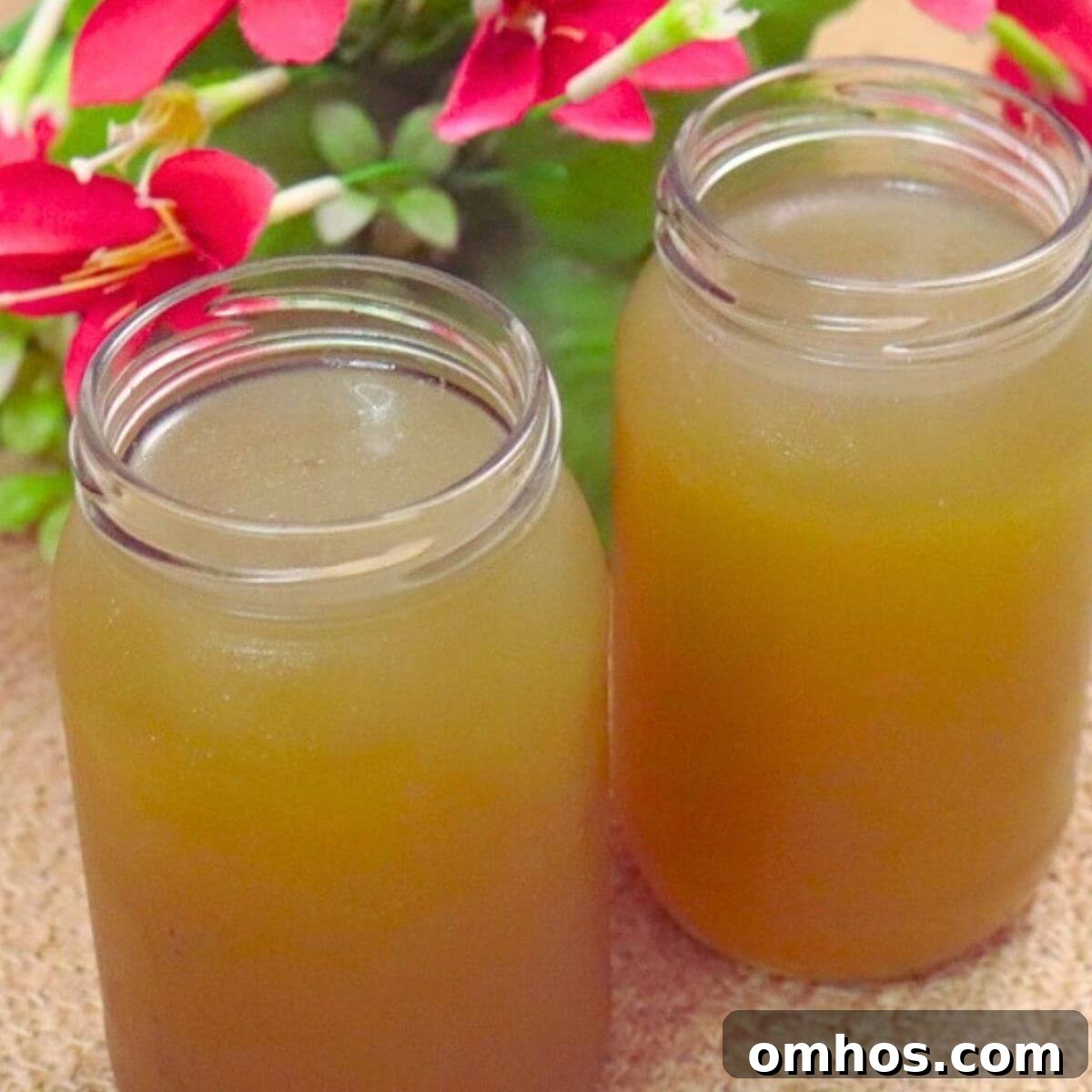
Step 6: Transfer the stock to clean glass jars or containers and freeze in portions. Refrigerated stock keeps for 3 days; frozen portions keep up to 6 months.
How to Use Chicken Stock
Homemade chicken stock is versatile—use it wherever you want extra depth and savory flavor:
- Soups and stews: Replace water with stock for richer results.
- Cooking rice and grains: Use stock to cook rice, risotto, pilaf, or quinoa for added taste.
- Gravies and sauces: Build sauces or pan gravies by reducing stock with aromatics and a thickener.
- Stir-fries and sautés: A splash of stock keeps dishes moist and adds flavor.
- Braising and slow cooking: Use stock for braises, pot roasts, and slow-cooked vegetables.
- Simple sipping broth: Warm, season lightly, and drink as a soothing, savory beverage.
Recipe Tips
- Customize the aromatics—leek, mushroom stems, ginger, or parsley stems will add different flavor notes.
- Keep the simmer gentle. Vigorous boiling clouds the stock and breaks down delicate flavors.
- Roasting bones briefly in a hot oven before simmering creates a deeper brown color and a richer, roasted flavor.
- Don’t add salt during cooking if you want better control over seasoning later in recipes.
- Freeze portions in ice cube trays or small jars for convenient single-use amounts.
Recipe FAQs
Chicken stock is usually made mainly from bones and simmers longer to extract collagen, giving it more body and a slightly gelatinous texture when chilled. Broth is often made with more meat, cooks for a shorter time, and tastes lighter.
A gentle simmer for 2 hours gives a balanced, flavorful stock for most home cooks. You can simmer up to 4 hours for a deeper, richer concentration, but skim regularly to keep the liquid clear.
Refrigerated stock is best within 3 days. For longer storage, freeze in portions; frozen stock is best used within about 6 months.
Yes—leftover roasted chicken bones or a carcass make excellent stock. Remove large chunks of meat for other uses, then simmer the bones with aromatics and herbs.
Other Chicken Recipes to Try
-
Mediterranean Chicken Stew
-
Cilantro Lime Chicken and Rice
-
One-Pot Chicken Noodle Soup
-
Chicken Manchow Soup



If you try this recipe, please leave a comment and rating to share your experience. Feedback helps refine and improve the recipe for others.
Recipe Card
Homemade Chicken Stock Recipe
This homemade chicken stock is made with chicken bones, vegetables, and simple herbs. It is easy, forgiving, and versatile for everyday cooking.
Course: Basics
Cuisine: American-style stock
Prep Time: 10 minutes
Cook Time: 2 hours
Total Time: 2 hours 10 minutes
Servings: 6 cups
Calories: 20 kcal per cup (approx.)
Author: Preeti Nayak
Equipment
- 1 large stock pot or Dutch oven
Ingredients
- 1 kg chicken bones or chicken carcass
- 1 onion, quartered
- 2 carrots, roughly chopped
- 4 garlic cloves, slightly crushed
- 2 stalks celery, chopped
- 4–5 sprigs fresh thyme (or 1 tsp dried)
- 2 bay leaves
- 2 sprigs fresh rosemary (optional)
- 12 peppercorns, slightly crushed
- 3–4 coriander or parsley stems (optional)
- 9 cups water
Instructions
- Place chicken bones, any small leftover meat, vegetables, herbs and peppercorns in a large stockpot.
- Cover with cold water. Bring to a gentle boil over medium heat.
- Lower the heat so the liquid simmers gently. Cook for about 2 hours, skimming any foam from the surface to keep the stock clear.
- When cooking is complete, remove from heat and strain through a fine-mesh sieve or cheesecloth into a large bowl.
- Cool to room temperature, then refrigerate. After a few hours or overnight, remove the layer of fat that solidifies on top.
- The chilled stock will be slightly gelatinous. Use within 3 days refrigerated, or freeze in portions for up to 6 months.
Notes
- Curry-cut chicken is useful when carcasses are unavailable; ask for bone-heavy pieces and trim off meat.
- Do not salt the stock while it cooks to maintain control over seasoning when using it later.
- Roasting bones at 450°F (220°C) for about 30 minutes before simmering gives a darker color and deeper flavor.
- Adjust simmering time: 2 hours is a good balance; longer yields more concentrated flavor.
- Add leek, mushroom stems, ginger, or extra herb stems to vary the flavor profile.
Nutrition (approx.)
Calories: 20 kcal | Carbohydrates: 5 g | Protein: 1 g | Sodium: 26 mg | Potassium: 136 mg | Fiber: 1 g | Sugar: 2 g | Vitamin A: 3501 IU | Vitamin C: 4 mg | Calcium: 22 mg | Iron: 0.2 mg
Nutrition information is an approximation.