Coffee lovers often throw away used coffee grounds, unaware that these leftovers can be a valuable, eco-friendly resource for houseplant care and gardening. These grounds are rich in organic matter and nutrients that can improve soil structure and support healthier plant growth when used correctly.
Instead of discarding them, collect your cooled grounds and put them to work—composting, brewing a plant “tea,” or gently mixing them into potting mixes are simple ways to reduce waste and boost plant health naturally.
1. Create Compost
Adding used coffee grounds to your compost pile is one of the best ways to recycle them. Grounds are considered a “green” compost material because they contain nitrogen, which helps break down carbon-rich “brown” materials like dried leaves and paper. When combined with kitchen scraps and yard waste, coffee grounds help produce a darker, richer compost that improves soil fertility and texture.
For best results, spread coffee grounds in thin layers or mix them with dry materials to avoid compacting the pile. Turning the compost occasionally speeds decomposition and reduces odor. Once the compost is fully broken down, blend a portion into your potting soil to give houseplants a steady, natural nutrient supply.
2. Liquid Fertilizer
A quick way to use coffee grounds is to make a liquid fertilizer, often called “coffee ground tea.” Combine about two cups of used grounds with a gallon of water and let the mixture steep for a few hours or overnight. Strain or decant the liquid and use it to water plants as an occasional feed.
This diluted brew releases nutrients slowly and is gentle on most houseplants when applied in moderation. Use it sparingly—every couple of weeks to once a month—as part of your regular watering routine. Always observe your plants for signs of overfeeding, such as yellowing leaves or slowed growth, and adjust frequency accordingly.
3. Add to Plant’s Soil
You can also incorporate coffee grounds directly into potting mixes when repotting. A conservative ratio—about one part coffee grounds to three parts potting soil—provides a gradual release of nutrients without overwhelming the roots. Dry the grounds before mixing to reduce the risk of clumping and fungal growth.
Mixed properly, coffee grounds can improve soil aeration and water retention, supporting root development. Avoid adding large amounts of fresh, wet grounds directly on top of soil, since they can compact and restrict airflow. Instead, blend them evenly into the medium or use them after they have partially composted.
Why Use Coffee Grounds?
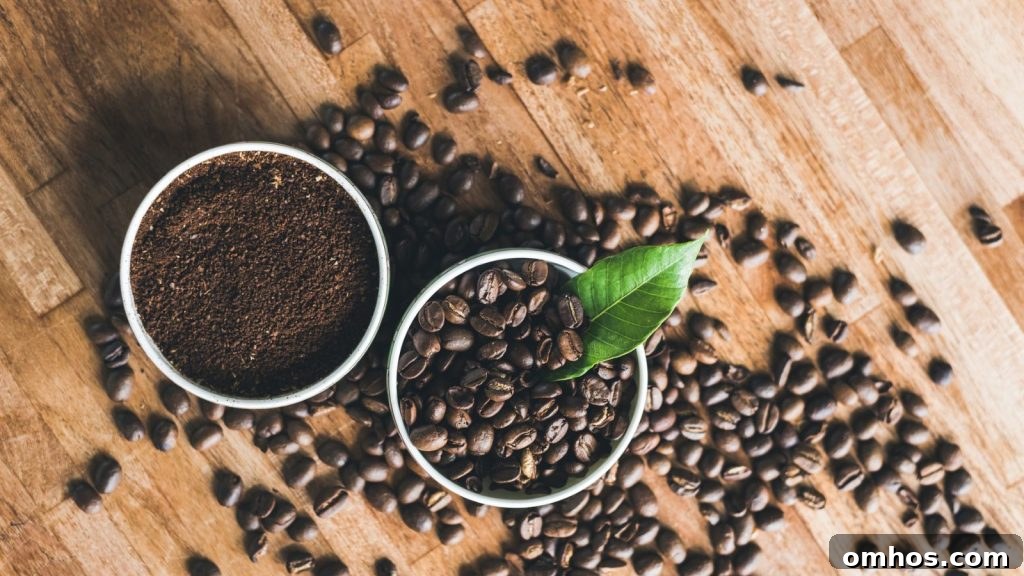
Used coffee grounds add organic matter and nutrients—especially nitrogen—that support healthier soil biology and root growth. They are slightly acidic, which can benefit acid-loving plants, and when combined with other compost materials they help create a balanced growing medium.
Coffee grounds can also help retain moisture in potting mixes and improve structure when used sparingly and mixed well. Be mindful, though: excessive use of fresh grounds can lead to compaction or mold, so moderation and proper mixing are important.
Best Houseplants for Coffee Grounds
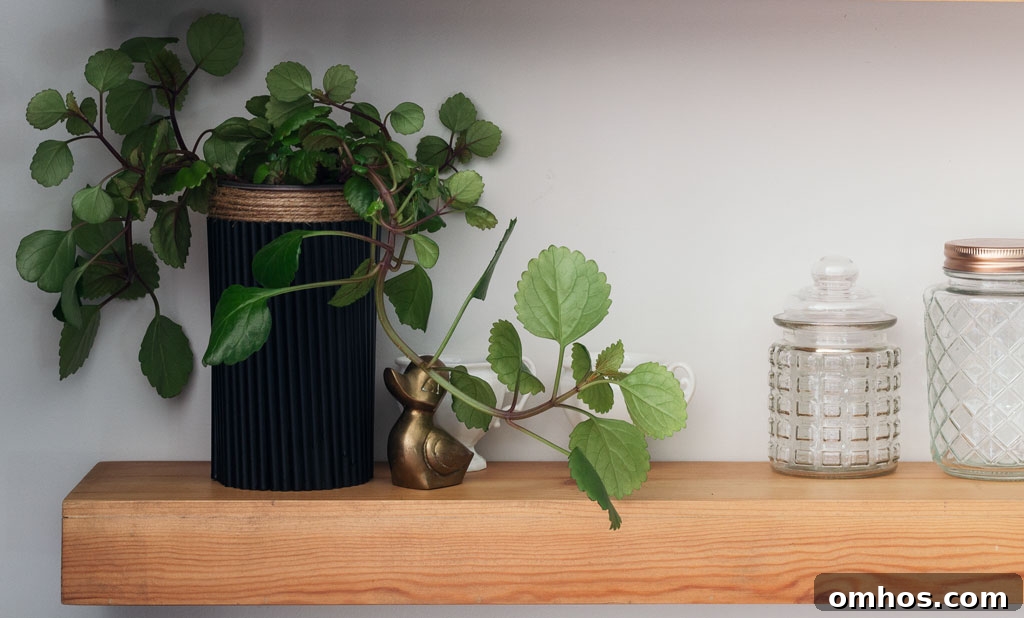
Not every houseplant benefits equally from coffee grounds, but many that prefer mildly acidic, nutrient-rich soil can respond well. Consider using grounds with these plants, and always test a small amount first to watch how a particular species reacts:
- Spider Plant: Tolerant and easy to care for; may benefit from the gentle nutrient boost.
- Jade Plant: When used sparingly and well-mixed, some gardeners report improved vigor; avoid overdoing it with succulents and ensure excellent drainage.
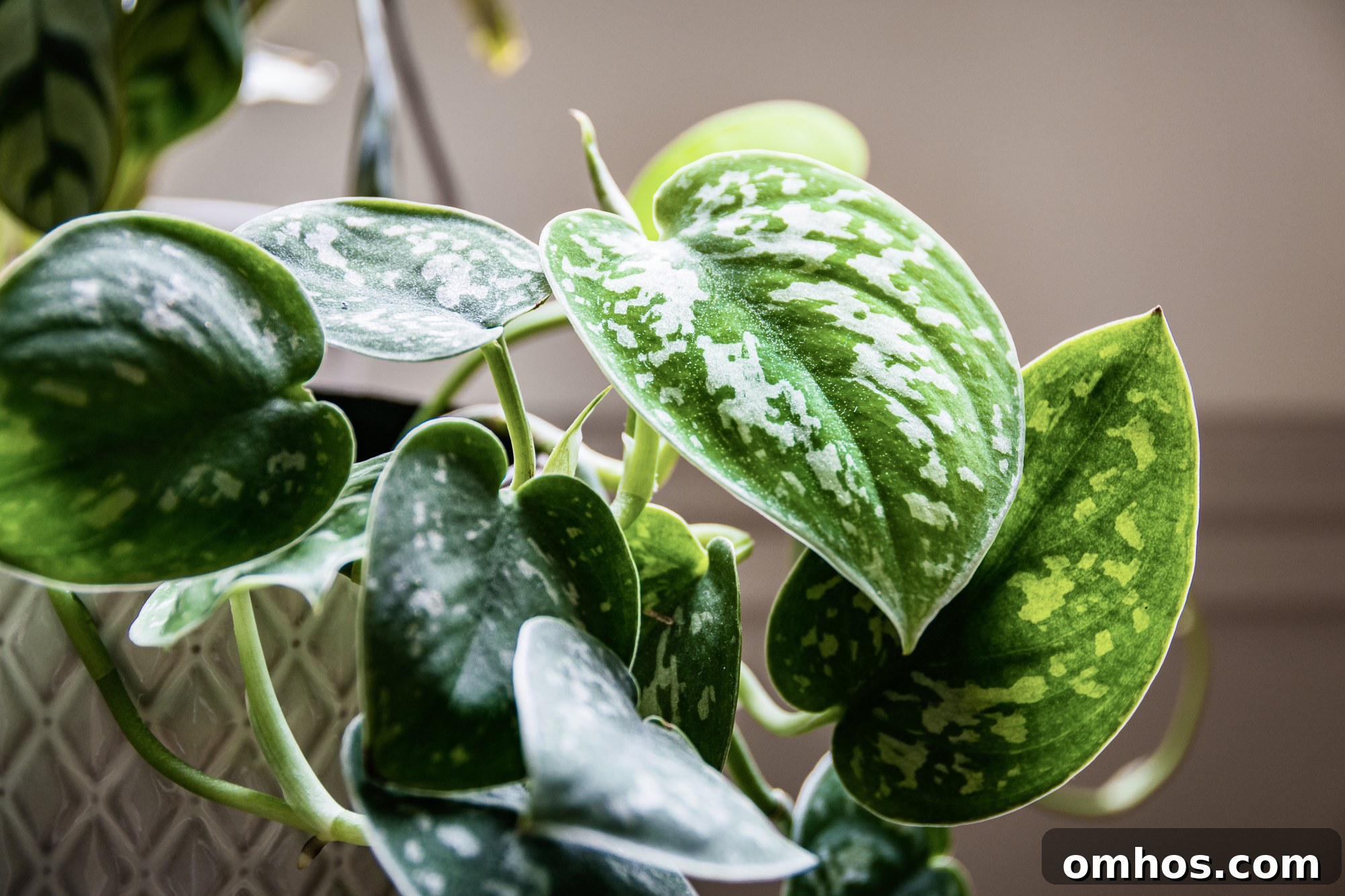
- Pothos and Golden Pothos: Robust growers that often respond positively to enriched potting mixes.
- Snake Plant: Receives occasional benefits from added organic matter, but keep amendments light to prevent waterlogging.
- Miniature Indoor Roses: Appreciate slightly acidic conditions and a nutrient lift to support flowering.
- Azalea: Thrives in acidic soils and can do well if coffee grounds are incorporated prudently.
- Philodendron: Prefers rich, organic soil and can benefit from moderate additions of composted grounds.
Avoid heavy use of coffee grounds with plants that require very dry, sandy soils—such as many cacti and true succulents—since the added organic matter can retain more moisture than these species prefer.
Recycling used coffee grounds is an easy, sustainable way to reduce waste while supporting healthier houseplants. Whether you compost them, brew a weak fertilizer tea, or mix small amounts into potting soil, coffee grounds are a low-cost, natural option that complements an eco-conscious plant care routine.