
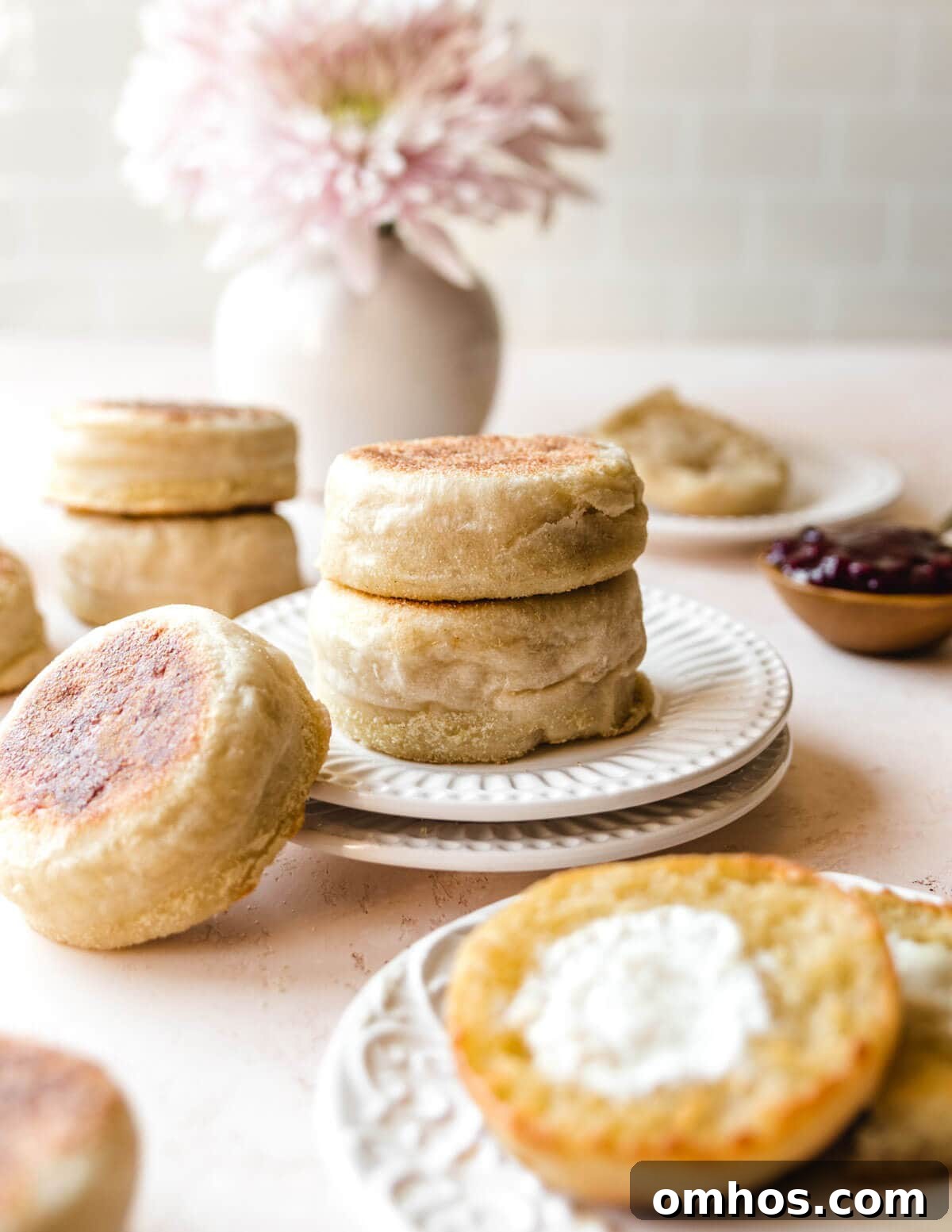
English muffins are a classic yeast-leavened bread, usually sliced and toasted for breakfast. They’re delicious with butter, jam, or as the base for hearty breakfast sandwiches. To enjoy them at their best, it’s important to store English muffins correctly and to recognize when they’ve gone stale or spoiled.
Baking your own English muffins or sourdough English muffins at home can deliver superior flavor and texture. You can also turn the same dough into an English muffin sandwich loaf that toasts beautifully. Whether store-bought or homemade, proper storage preserves taste and extends usability.
Disclosure: As an Amazon Associate, I earn from qualifying purchases.
What is the shelf life of English muffins?
Fresh English muffins taste best, so plan storage based on how quickly you’ll use them. At room temperature, stored in a sealed bag or container and kept in a cool, dry place away from direct sunlight, English muffins typically stay good for about three to four days. After that window they can begin to stale or develop mold.
To maximize shelf life on the counter, squeeze excess air from the original packaging or transfer the muffins to a sealed container or breadbox. For longer storage, refrigeration or freezing are better options depending on how long you want to keep them.

Do English muffins need to be refrigerated?
You don’t have to refrigerate English muffins if you’ll use them within a few days. A cool refrigerator will slow mold growth and extend shelf life, but it can also change texture for some people—making the bread seem drier or slightly firmer.
If refrigerating, wrap each muffin tightly in plastic wrap or place them in a resealable container or bag. This reduces air exposure, which helps prevent mold and keeps the muffins fresher. To serve, remove as many as you need and toast or warm them before eating.
Can you freeze English muffins?
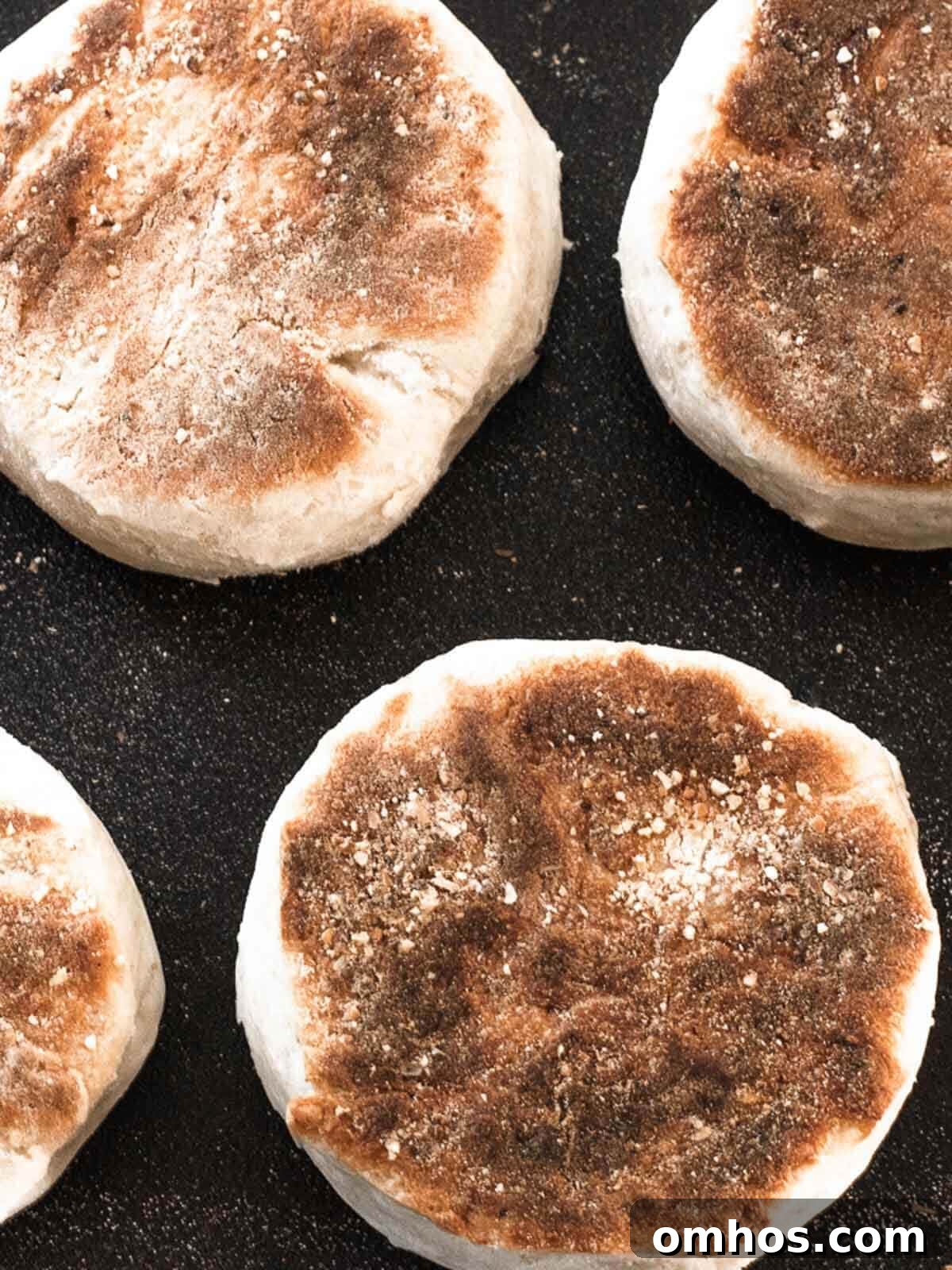
Freezing is the best option when you need to keep English muffins longer than a few days. Freeze them while they’re still fresh to preserve flavor and texture. You can keep muffins in their original packaging if it’s airtight, or repackage them in freezer bags, airtight containers, or by wrapping each muffin in plastic wrap and foil.
Properly sealed English muffins will maintain quality for at least three months. Beyond that, they usually remain safe to eat but may develop freezer burn or lose some texture. Slice muffins before freezing so you can separate halves easily and toast them straight from the freezer.
To thaw, place frozen muffins on the counter until soft, or toast them directly from frozen in a toaster or toaster oven. If you use a microwave, set it to defrost or 50% power and cover the muffin with a microwave-safe paper towel to retain moisture and avoid toughening the crumb.

Pro tips
- If you value texture and flavor, freeze muffins you won’t eat within a few days rather than refrigerating them long-term.
- Slice muffins before freezing so they’re easy to separate and toast straight from the freezer.
- Store muffins in the coldest, most stable part of your fridge or freezer—away from the door—to reduce temperature fluctuations that can promote spoilage.
How to store English muffins with toppings
If you’ve added toppings like cheese, deli meat, or egg, refrigerate or freeze the prepared muffin to prevent spoilage. Wrap them tightly in plastic wrap or aluminum foil and place them in an airtight container or resealable bag. How long they last depends on the toppings: dairy and meat reduce refrigerated or frozen shelf life compared with plain muffins.
Frozen prepared sandwiches usually keep best for about a month before quality starts to decline. Reheat or toast straight from frozen for convenience—this helps refresh texture and flavor while safely heating fillings.

English muffin recipes
1
Chewy Overnight English Muffins
Get the Recipe
2
Homemade Sourdough English Muffins Recipe
Get the Recipe
3
English Muffin Sandwich Bread
Get the Recipe
4
Make-ahead Egg White Breakfast Sandwiches (Gluten-free)
Get the Recipe