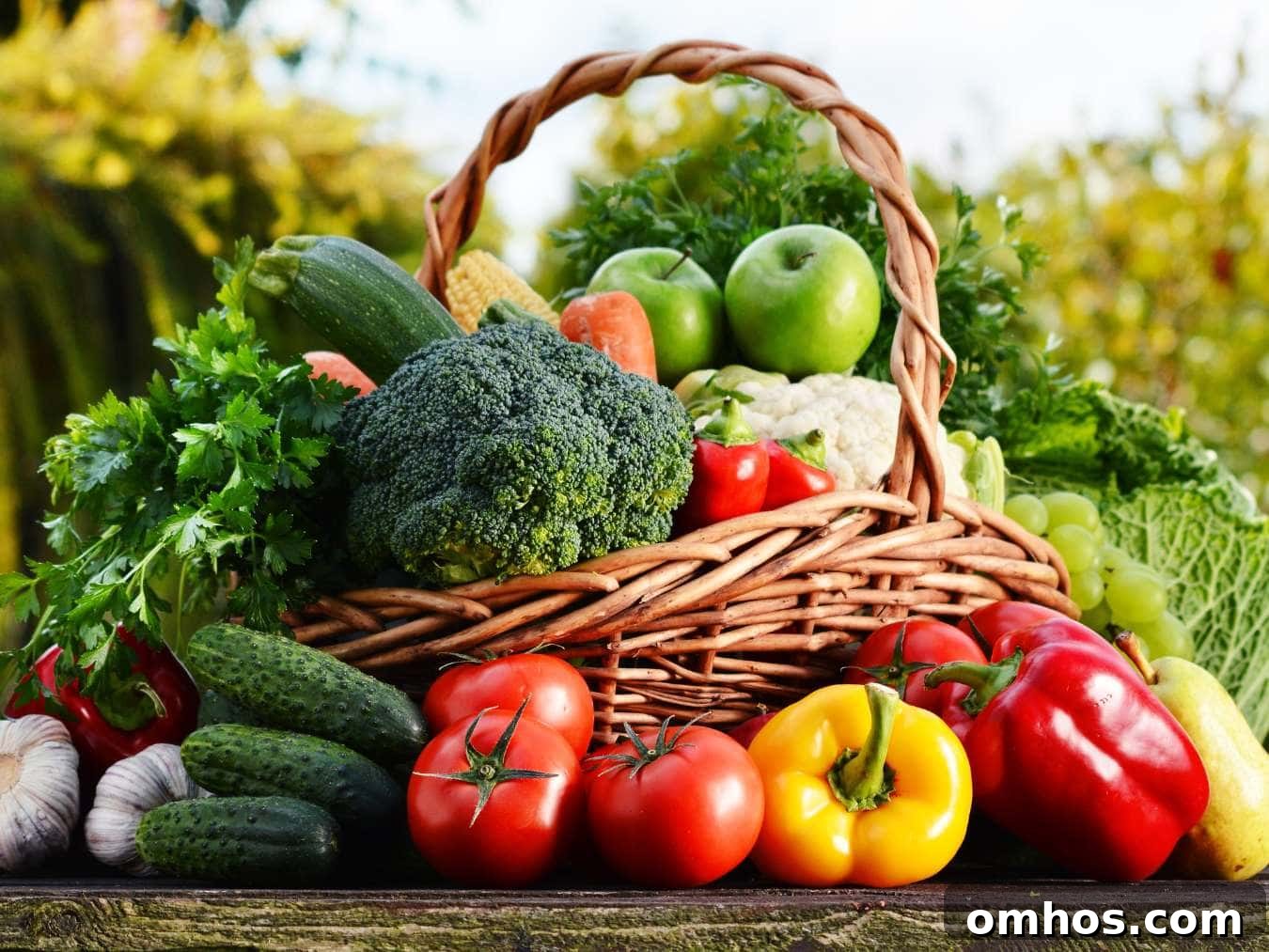
Low-oxalate vegetables are a core part of any low-oxalate diet. While that eating pattern can feel limiting at first, it doesn’t mean you must give up vegetables — far from it. With a little planning, you can keep a varied, nutrient-dense vegetable rotation that supports kidney health and flavor in your meals.
When I began tracking oxalate intake, vegetables were the first food group I reviewed. Even on a lower-carb plan, I prioritize vegetables for their vitamins, minerals and fiber. Over time I developed a go-to list of low-oxalate vegetables and reliable recipes to use them in week after week.
Below I outline what oxalates are, why calcium oxalate kidney stones form, which vegetables are low or high in oxalate, recipe ideas, and practical tips to reduce oxalate intake while keeping meals satisfying and nutritious.
What are Oxalates?
Oxalates are natural compounds found in many plant foods. They pass through the digestive system and are excreted in the urine. In most people oxalates cause no harm, but when urinary oxalate is high it can bind to calcium and form hard crystals in the urinary tract.
What are Calcium Oxalate Stones?
Calcium oxalate stones are the most common type of kidney stone. They form when calcium and oxalate combine and crystallize in the kidney. These stones can cause intense pain and other symptoms such as blood in the urine, nausea, fever, and cloudy or foul-smelling urine.
Some stones pass on their own, but larger or obstructive stones may require medical treatment. For people who form calcium oxalate stones, dietary strategies — such as reducing dietary oxalate and optimizing fluid and calcium intake — are often recommended to lower recurrence risk.
What is a Low Oxalate Diet?
A low-oxalate diet reduces the amount of oxalate you get from food. The goal is to lower urinary oxalate to reduce the chance that it will bind with calcium and form kidney stones. This approach is usually part of a broader prevention plan that includes staying well hydrated and adjusting sodium, calcium and protein intake as needed.
A low-oxalate eating plan is not a weight-loss diet; it’s a medical or preventive strategy. If a clinician recommends it, they may also provide specific oxalate targets and other personalized guidance based on your medical history.
Low-Oxalate Vegetables
Vegetables supply essential vitamins, minerals and fiber, so it’s important to include them even when reducing oxalate intake. Fortunately, many common vegetables are low in oxalate and safe to eat regularly. Vegetables with low oxalate content include:
- Brussels sprouts
- Raw celery
- Kale
- Mung beans
- Mustard greens
- Alfalfa sprouts
- Bok choy
- Broccoli
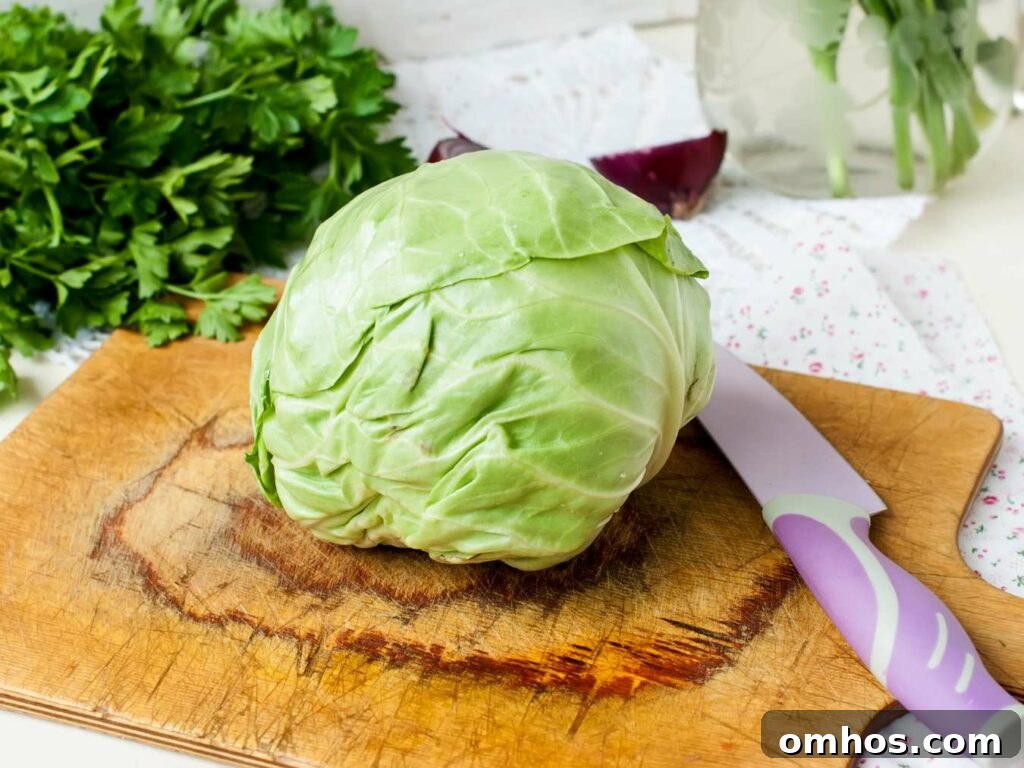
- Cabbage
- Cauliflower
- Chives
- Corn
- Cucumber
- Green pepper
- Iceberg lettuce
- Mushrooms
- Onions
- Peas
- Pickles
- Radish
- Romaine lettuce
- Scallions
- Sauerkraut
- Yellow squash
- Zucchini
If you prefer leafy greens, avoid spinach and choose lower-oxalate greens for salads and cooking.
High-Oxalate Vegetables to Avoid
Some vegetables are higher in oxalate and may be limited on a low-oxalate plan. Examples include:
- Beets
- Certain beans (fava, navy, red kidney, soybeans)
- Spinach
- Rhubarb
- Sweet potatoes and yams
- Carrots
- Collards
- Asparagus
- Okra
- Tomato sauce
- Refried beans and some other processed bean products
Cooking techniques matter: boiling certain vegetables can reduce soluble oxalate content, and rinsing, discarding cooking water, or using other preparation methods may help lower oxalate exposure from some foods.
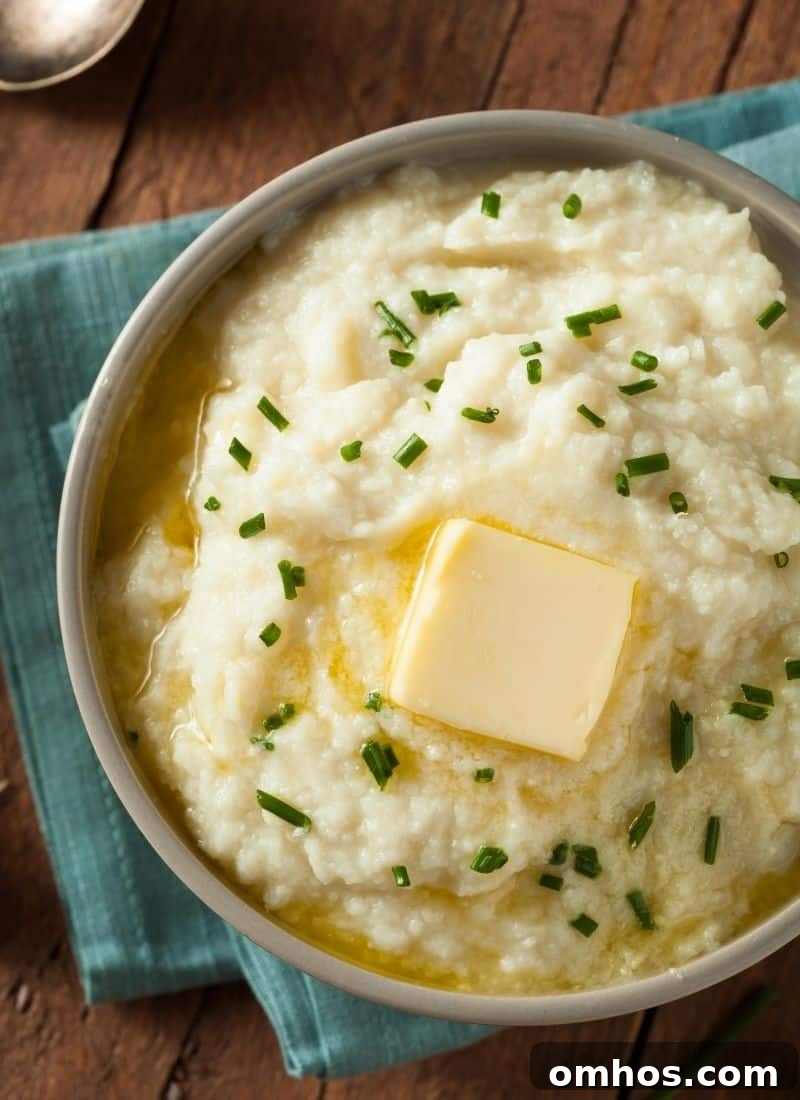
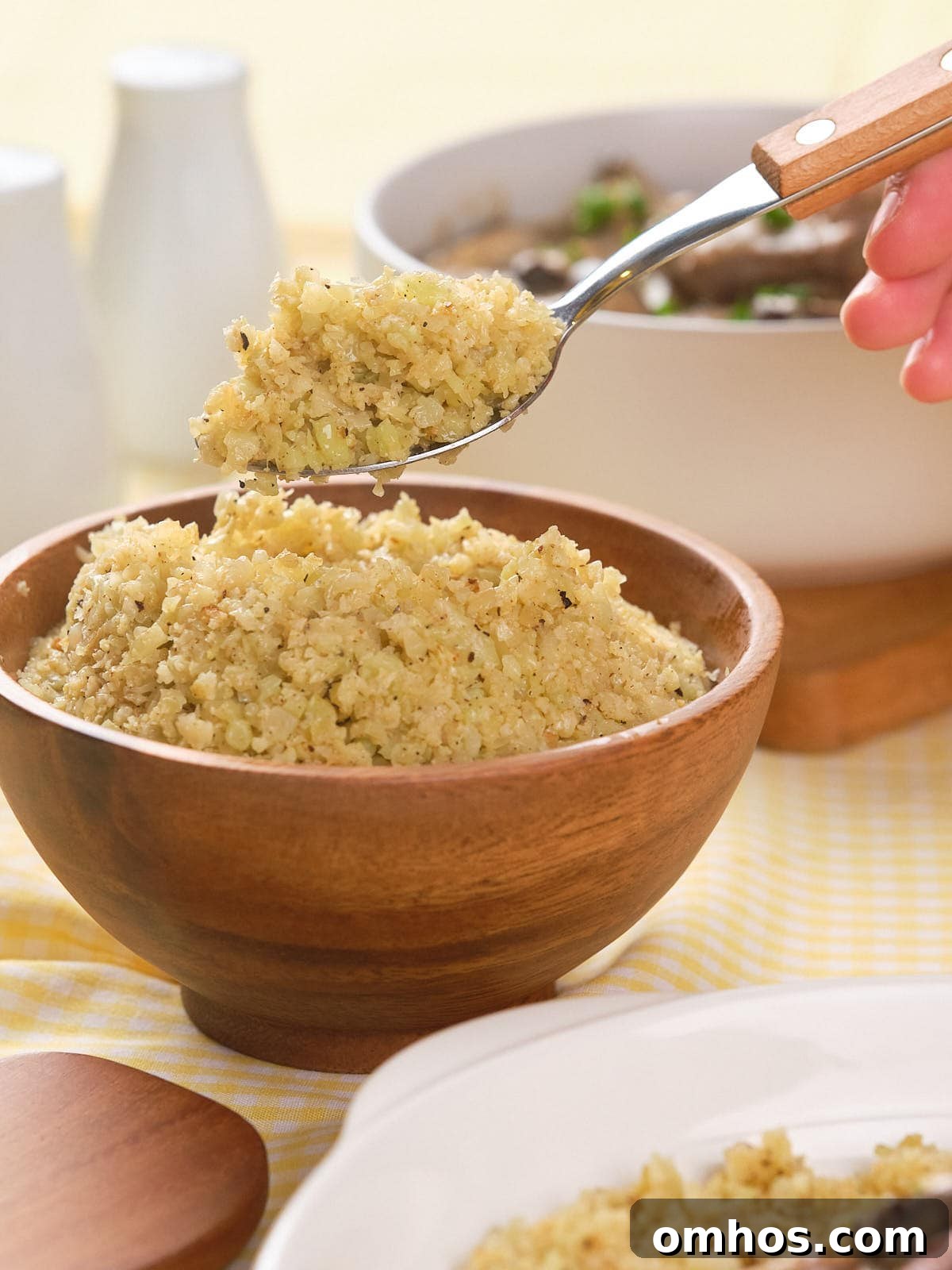
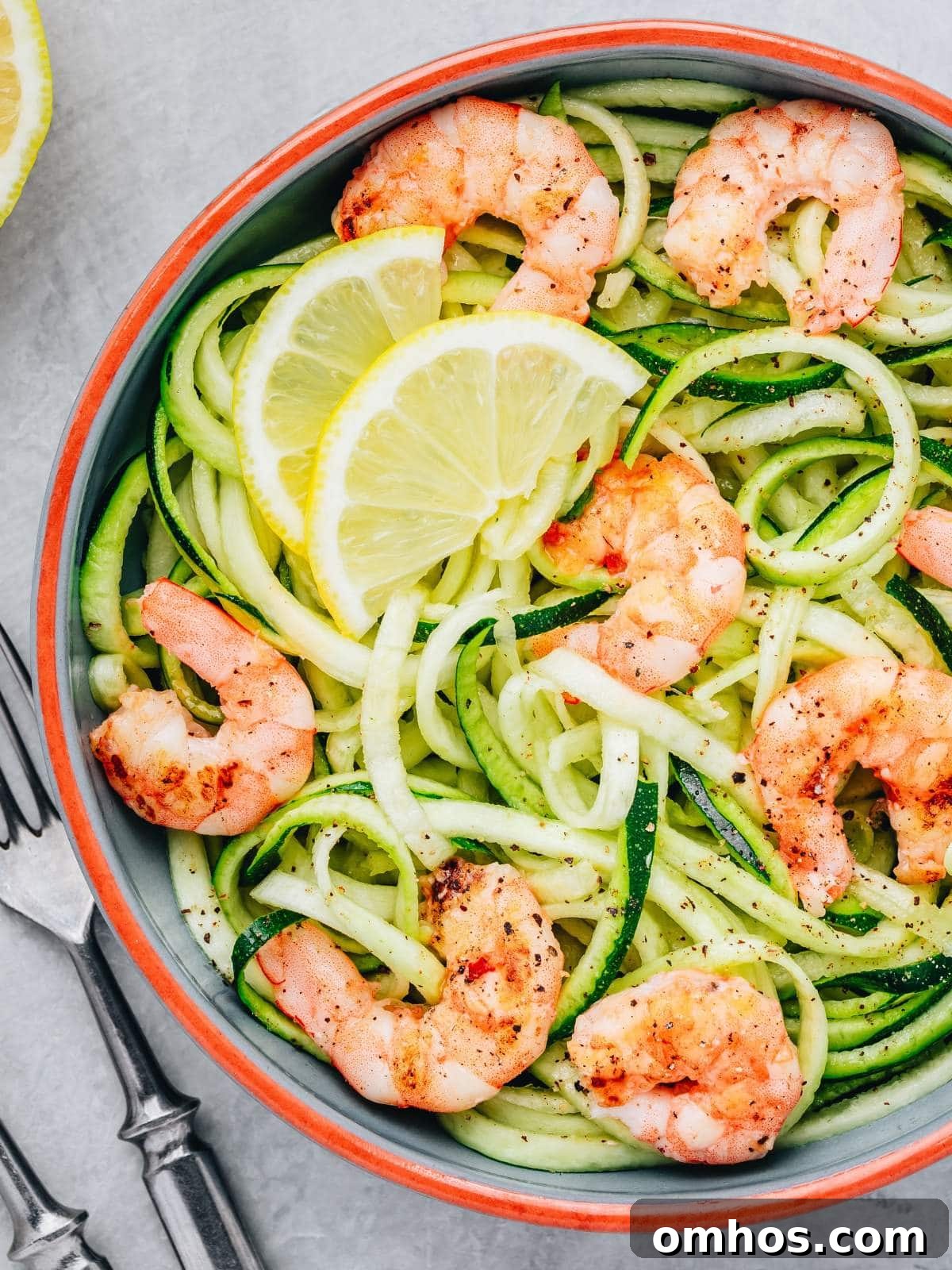
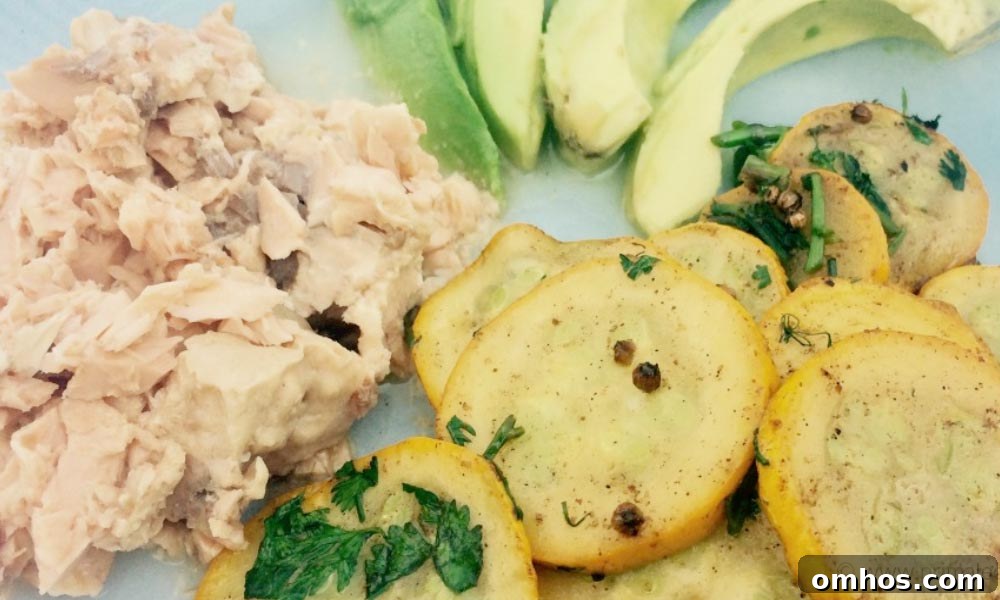
8 Best Low Oxalate Vegetable Recipes
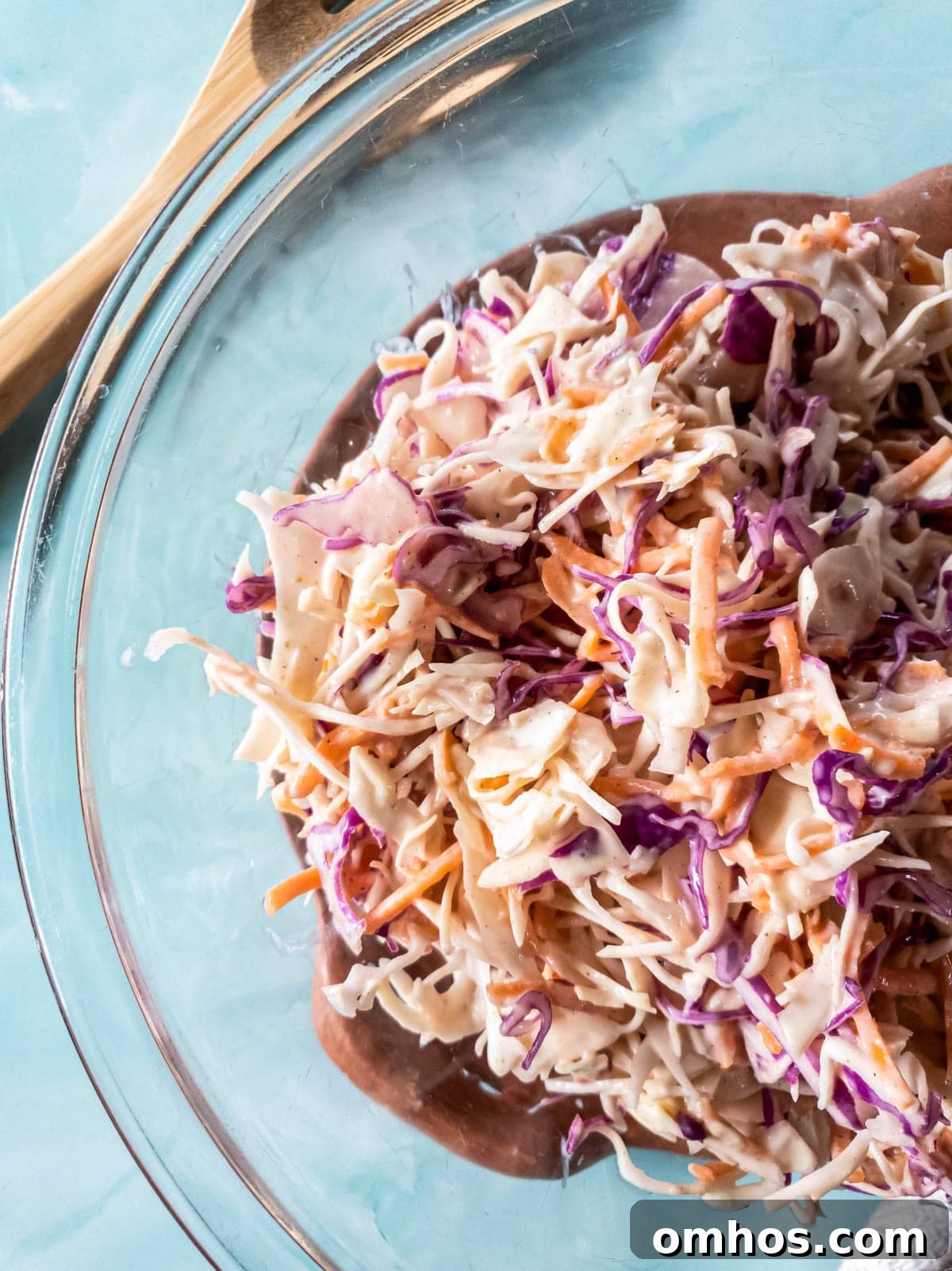
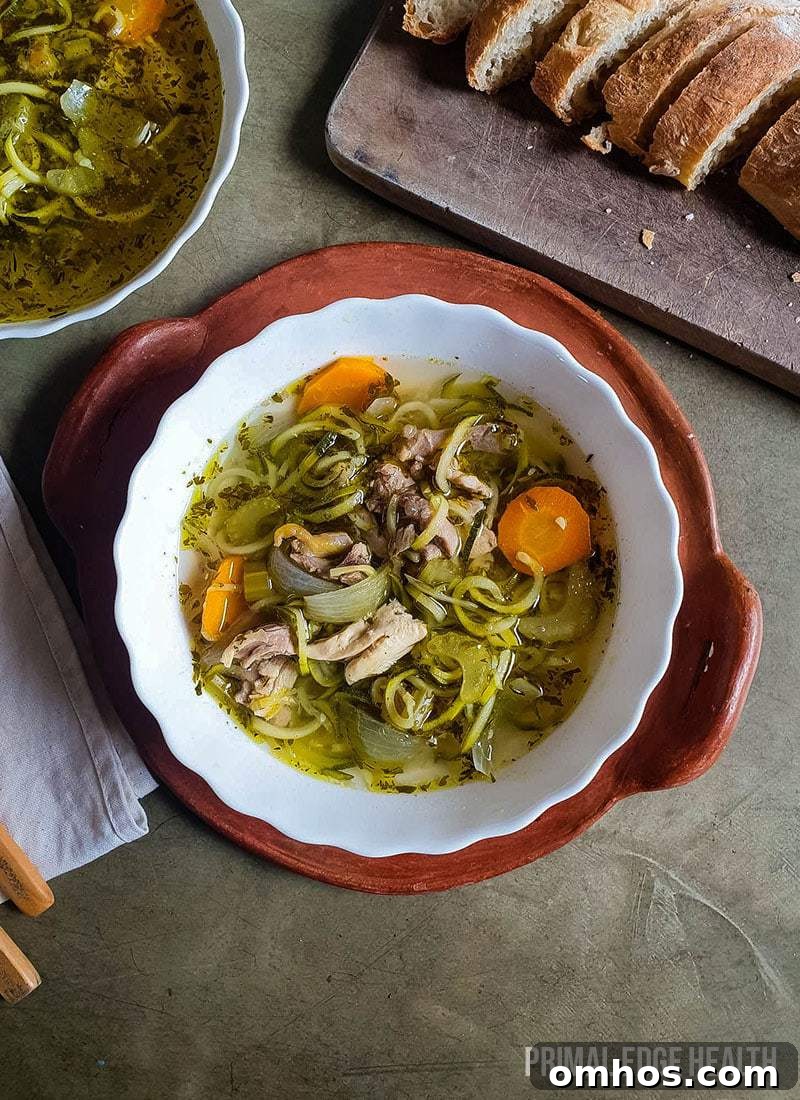
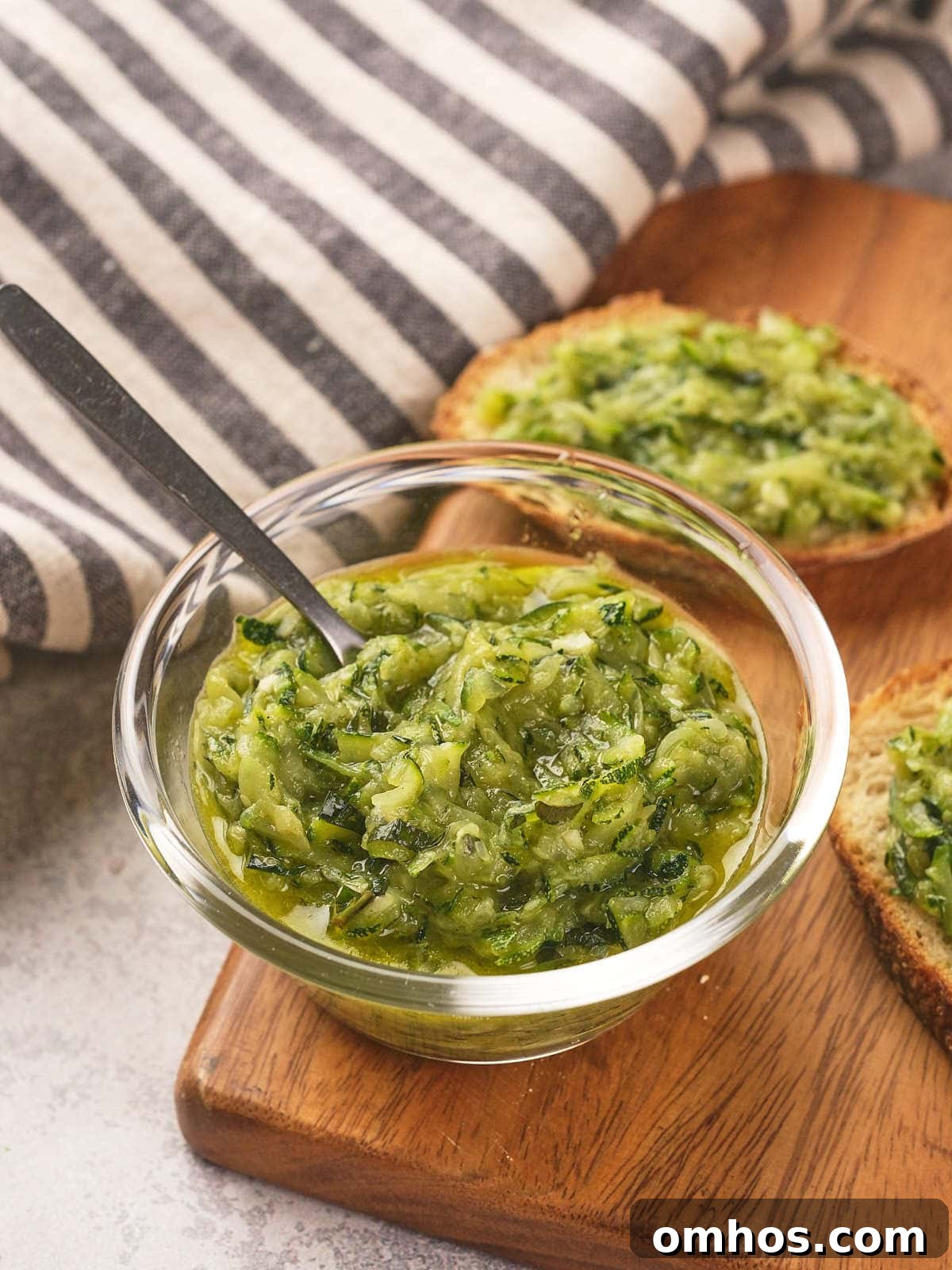
A low-oxalate diet can still be flavorful and varied. Here are eight vegetable-focused recipes that use low-oxalate ingredients and are easy to include in weekly meal plans.

Tips to Lower Your Oxalate Intake
Reducing oxalate is about more than swapping vegetables. A practical plan considers fluid, calcium, sodium, protein and supplement choices. The following strategies help lower the chance of stone formation while keeping meals balanced.
Increase Your Calcium Consumption
Dietary calcium binds oxalate in the gut, which can reduce the amount that reaches the kidneys. Rather than avoiding calcium, most people benefit from consuming adequate calcium from foods such as milk, yogurt and cheese. Discuss individualized targets with your healthcare provider.

Drink More Fluids
Staying well hydrated dilutes urine and lowers the concentration of oxalate and other stone-forming minerals. Aim to drink enough fluid so your urine is pale and plentiful; many people will benefit from roughly two to three liters of fluid a day depending on activity and climate. Plain water is best, and fruits with high water content can help boost hydration.
High-moisture fruits that are generally low in oxalate include apples, pears, peaches, melon and berries — good choices for snacks and to increase overall fluid intake.
Limit Your Sodium
High sodium intake increases calcium excretion in urine, which can raise the risk of calcium oxalate stone formation. Limiting processed foods and added salt supports both kidney and heart health. Discuss your ideal sodium target with your clinician if you have other health conditions.
Avoid Vitamin C Supplements
High-dose vitamin C supplements can raise urinary oxalate levels in some people. Unless a clinician advises supplementation, getting vitamin C from food is generally safer for those concerned about oxalate and kidney stones.
Watch Your Protein Intake
A diet very high in animal protein may increase the risk of certain types of kidney stones. Balance protein needs with plant- or dairy-based sources as appropriate, and consult a dietitian to determine the right amount for your activity level and health goals.
Focus on Low Oxalate Foods
A practical strategy is learning which foods are low in oxalate and which are higher so you can plan menus that minimize risk. Many food groups contain plenty of low-oxalate choices: most meats, dairy, many fruits, and a large selection of vegetables. Swapping higher-oxalate ingredients for lower-oxalate options — for example, choosing bok choy or cabbage instead of spinach — makes meal planning easier.
Keep a reliable oxalate reference list handy while you learn the foods that work best for you, and consider working with your clinician or a dietitian to set a target oxalate allowance if needed.
Load Up On Low-Oxalate Veggies Today
There are far more low-oxalate vegetables than you might expect, so you don’t need to sacrifice variety. With informed swaps and simple cooking methods, you can build satisfying meals that support kidney health and taste great.
If you’ve been advised to limit oxalate, start by incorporating a few of the vegetables and recipes listed here, prioritize hydration and calcium at meals, and track what works best for your body. Over time you can create a consistent, enjoyable low-oxalate routine.
What are your favorite low-oxalate vegetables or recipes? Share your ideas in the comments below.