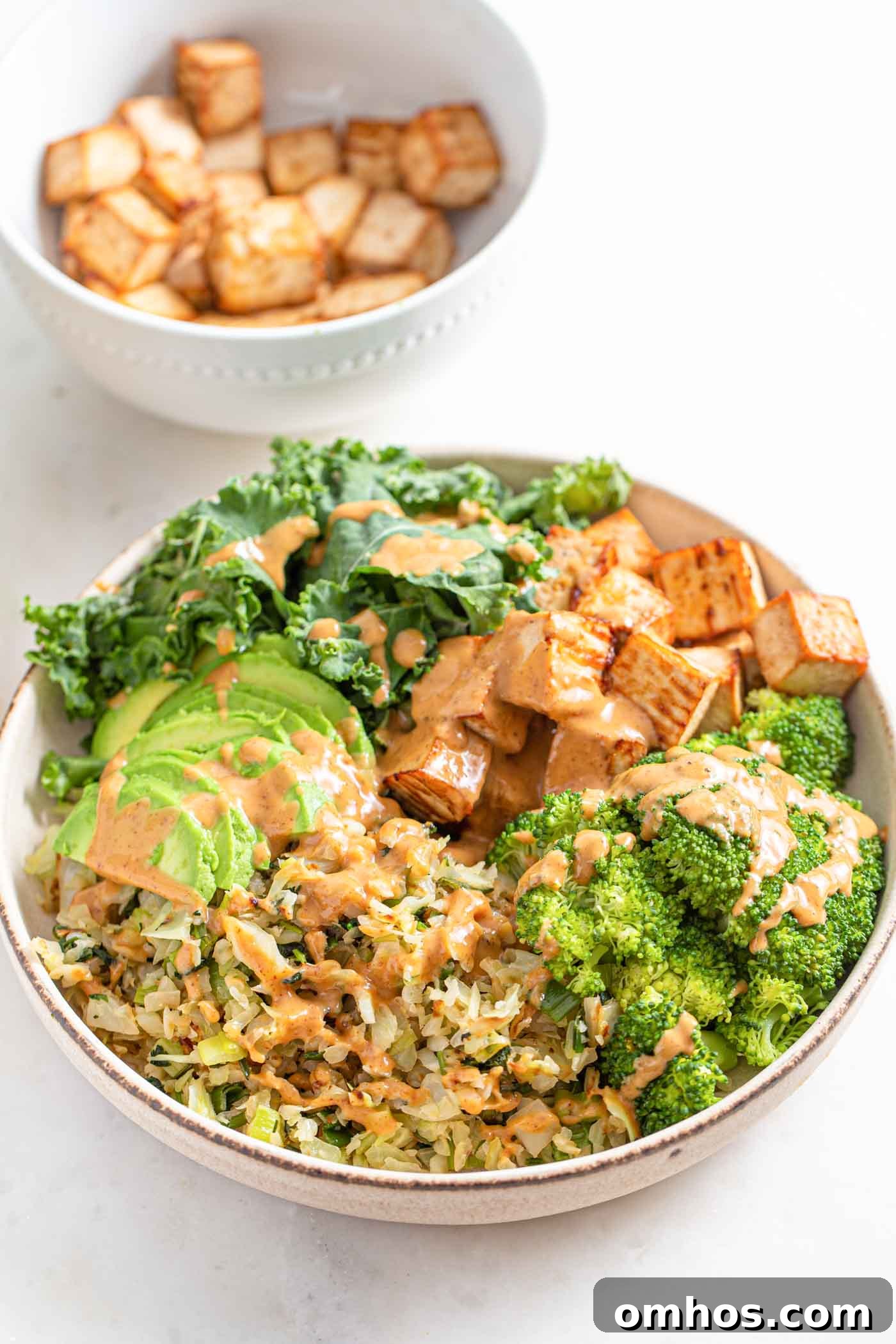
This low-carb vegan dinner bowl combines crispy baked tofu, sautéed kale and broccoli, creamy avocado, cabbage “rice,” and a tangy almond-butter dressing. The cabbage rice — made by pulsing green cabbage in a food processor and briefly sautéing it with garlic, green onion and cilantro — delivers a tender, slightly sweet base that pairs beautifully with the rest of the bowl.
Each serving provides approximately 23 grams of plant-based protein from tofu and the almond butter sauce and about 30 grams of total carbohydrates, most of which come from vegetables. Grain-free and keto-friendly, this bowl holds up well for meal prep: cook the components in advance and assemble when you’re ready to eat.
5-Star Review
Finally a well-rounded, delicious and healthy vegan meal! Love this recipe. It’s great for people who want to learn to love tofu — the cornstarch is key. Definitely a hit for non-vegans too!
Kirstin — ⭐⭐⭐⭐⭐
Why You’ll Love This Low-Carb Vegan Dinner Bowl
This bowl is ideal if you follow a lower-carb diet but still want satisfying meals that support stable energy and fullness. It’s rich in plant protein, high in fiber, and easy to adapt to your preferences.
- High in protein and fiber
- Promotes satiety and steady energy
- Fully customizable with different vegetables
- Meal-prep friendly
- Easy to make gluten-free
- Grain-free and low-carb while remaining filling
🔍 Recipe at a Glance
Prep Time: 20 minutes
Cook Time: 30 minutes
Servings: 4
Per Serving: ~432 calories, 23 g protein, 14 g fiber
Diet: Vegan (gluten-free option)
Difficulty: Easy
What makes a vegan meal low carb?
A low-carb vegan meal reduces starchy foods like rice, pasta and bread, and focuses on:
- Non-starchy vegetables (broccoli, cabbage, cauliflower, cucumber, kale)
- Plant-based proteins (tofu, tempeh, edamame)
- Healthy fats (avocado, nuts, seeds)
Combining volume, fiber and protein helps meals feel more filling even with fewer carbohydrates.
Ingredients You’ll Need
Below is an overview of the main ingredients and common substitutions. Use the ingredient list later in the recipe section for exact amounts when you cook.
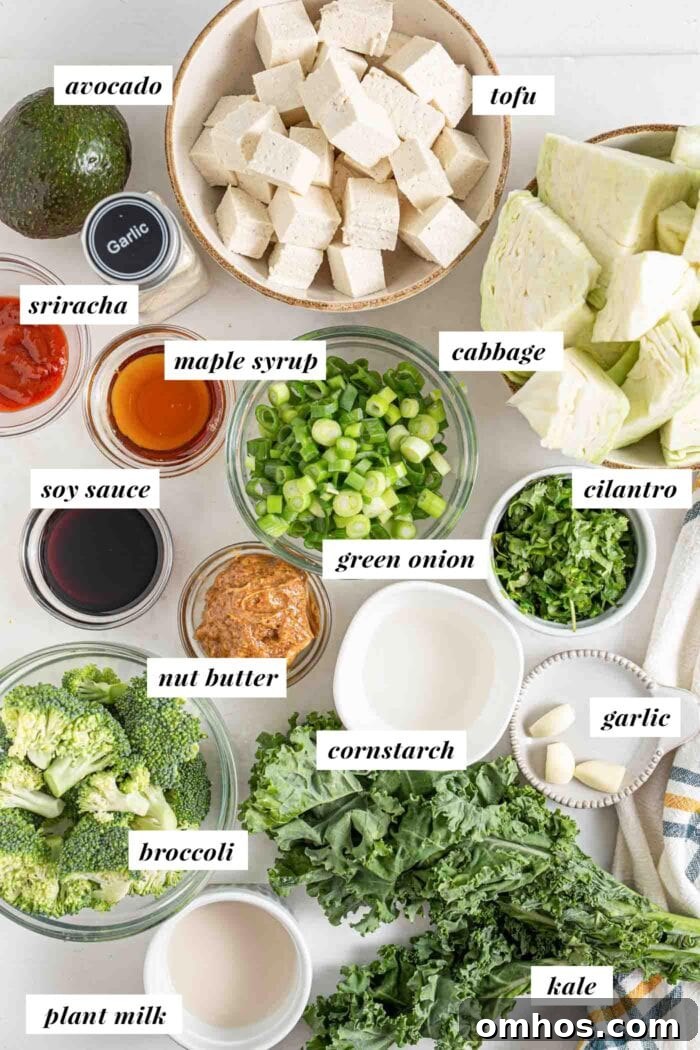
- Tofu: Firm or extra-firm. Pressing is optional but helps the tofu get crispier and absorb more flavor.
- Soy sauce: Regular soy sauce, tamari for a gluten-free option, or coconut aminos.
- Cornstarch: Helps create a crispy tofu exterior. Arrowroot works too.
- Almond butter: Makes a creamy dressing; swap peanut butter, sunflower seed butter, or tahini if needed.
- Rice vinegar: Seasoned or unseasoned; seasoned vinegar can add a touch of sweetness.
- Sriracha: Or any chili-garlic paste for heat. Omit or reduce if you prefer mild flavors.
- Sweetener: For lower carbs, a pinch of stevia or monk fruit works; maple syrup or coconut sugar work if you don’t need low-carb.
- Cabbage: Green cabbage pulsed into “rice.”
- Cooking oil: Coconut, olive, avocado or sesame oil.
- Broccoli and kale: Use what you have—spinach or other greens are fine, though kale holds up best in bowls.
Variations and Additions
- Cabbage alternatives: Broccoli rice or cauliflower rice for a similar low-carb base; brown rice, quinoa or farro if you don’t need low-carb.
- Seeds: Hemp, pumpkin or sunflower seeds add crunch, healthy fats and extra protein.
- Protein swaps: Marinated tempeh, edamame, or chickpeas (note: chickpeas raise the carbs).
- Roasted vegetables: Cauliflower, asparagus or Brussels sprouts add flavor and nutrients.
- Nutritional yeast: A sprinkle adds a cheesy, umami boost.
- Alternative dressings: Miso-tahini or a peanut sauce are both delicious substitutes.
- Spice it up: Add sambal oelek, sriracha, cayenne or red chili flakes to the tofu or sauce.
How to Add More Protein
If you want higher protein per serving, try one of these:
- Double the tofu: simple and effective, adding roughly 8–10 g protein per bowl.
- Add tempeh alongside the tofu for a chewier texture and extra protein.
- Add 1/2 cup cooked edamame per bowl for about 8 g extra protein.
- Sprinkle 3 tablespoons of hemp seeds for roughly 10 g additional protein.
How to Make a Low-Carb Vegan Dinner
This overview summarizes the steps. Follow the detailed recipe below for exact amounts and sequencing.
Before you start: Pressing tofu is optional but recommended for better texture. It takes 15–30 minutes if you choose to press it.
Step 1: Cube the pressed tofu and toss it with soy sauce or tamari, cornstarch, garlic powder, salt and pepper so each piece is well coated.
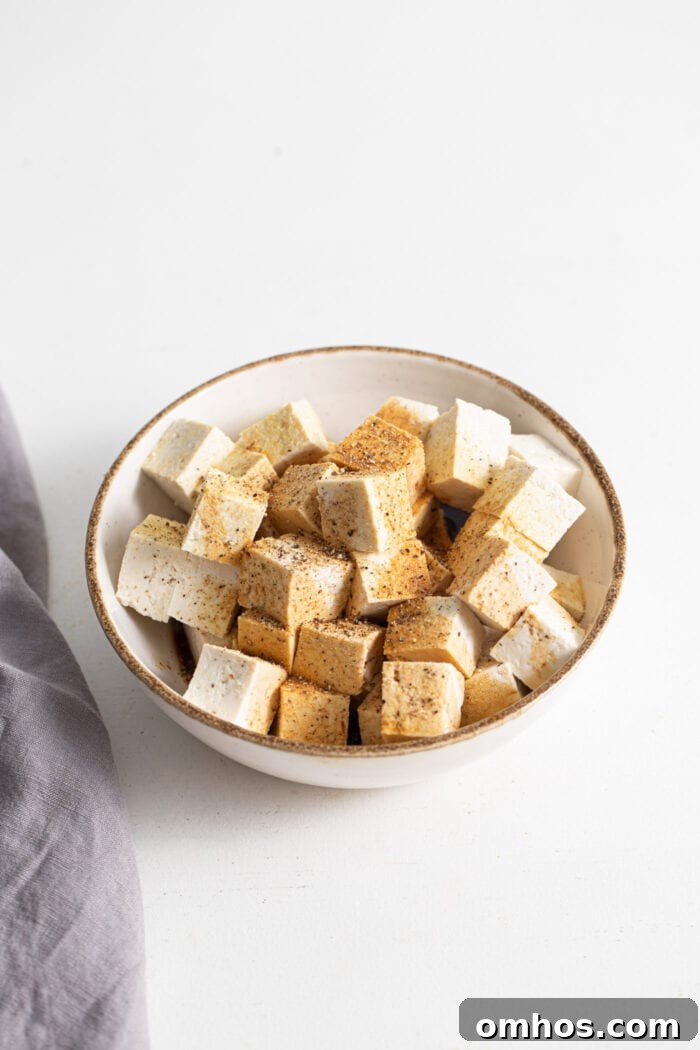
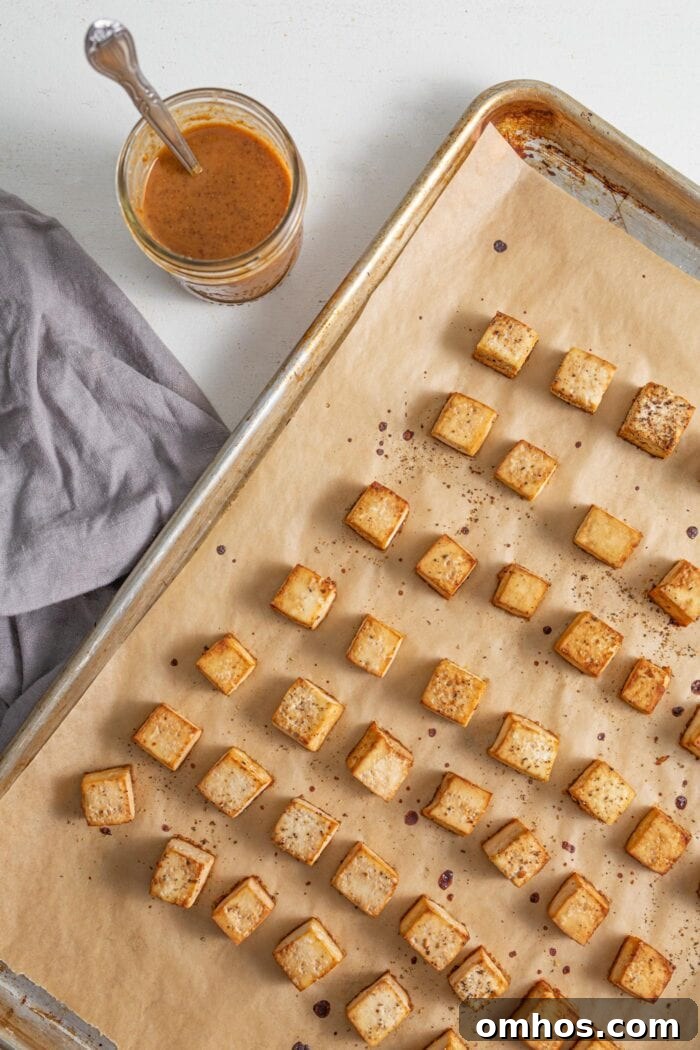
Step 2: Arrange the tofu on a parchment-lined baking tray with space between the pieces. Bake at 425°F (220°C) for 20–30 minutes until puffed and crispy. Flipping halfway is optional.
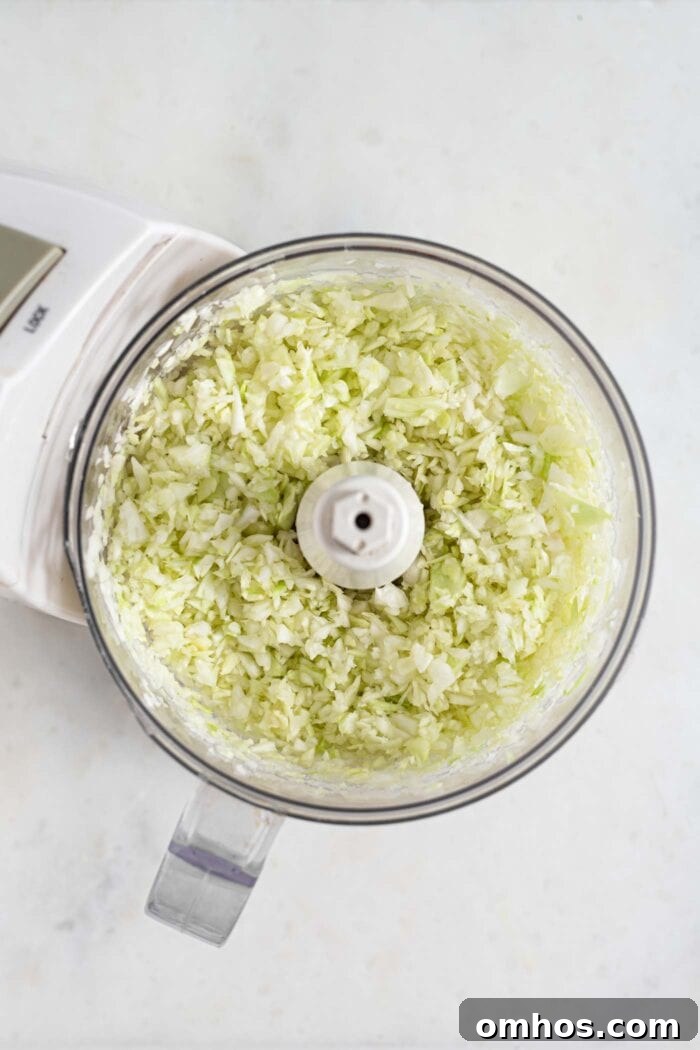
Step 3: Remove outer cabbage leaves, chop the cabbage into chunks and pulse in a food processor to create a rice-like texture. If you don’t have a food processor, finely chop or shred the cabbage by hand.
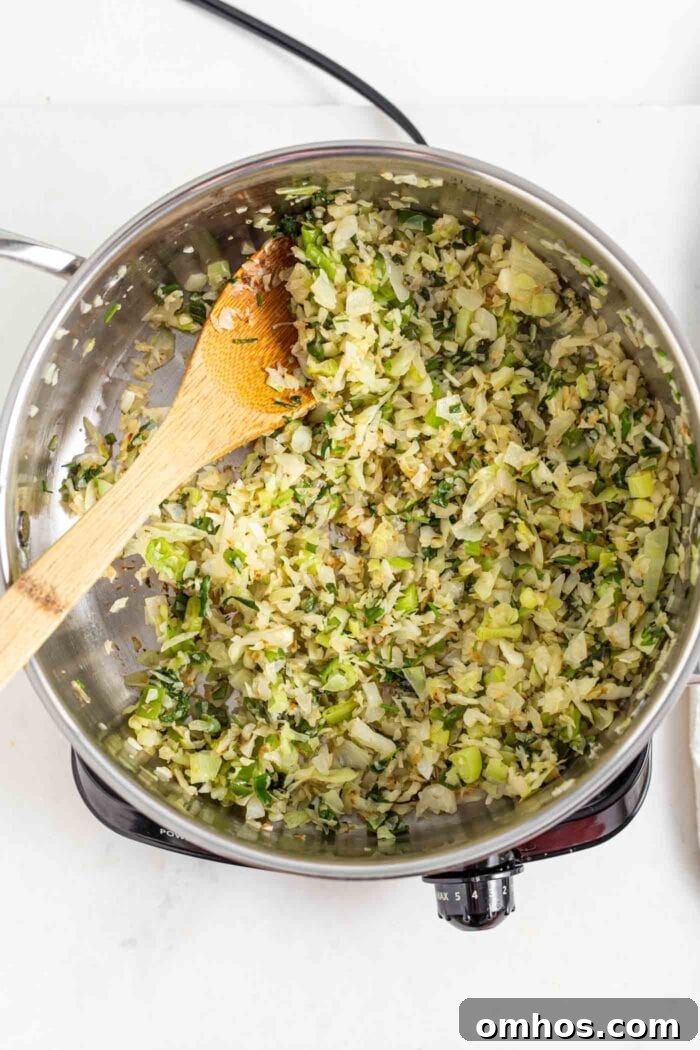
Step 4: Heat oil in a large skillet or wok and sauté the riced cabbage with green onion, cilantro and garlic for 6–8 minutes, stirring occasionally so the cabbage can brown and caramelize on the bottom.
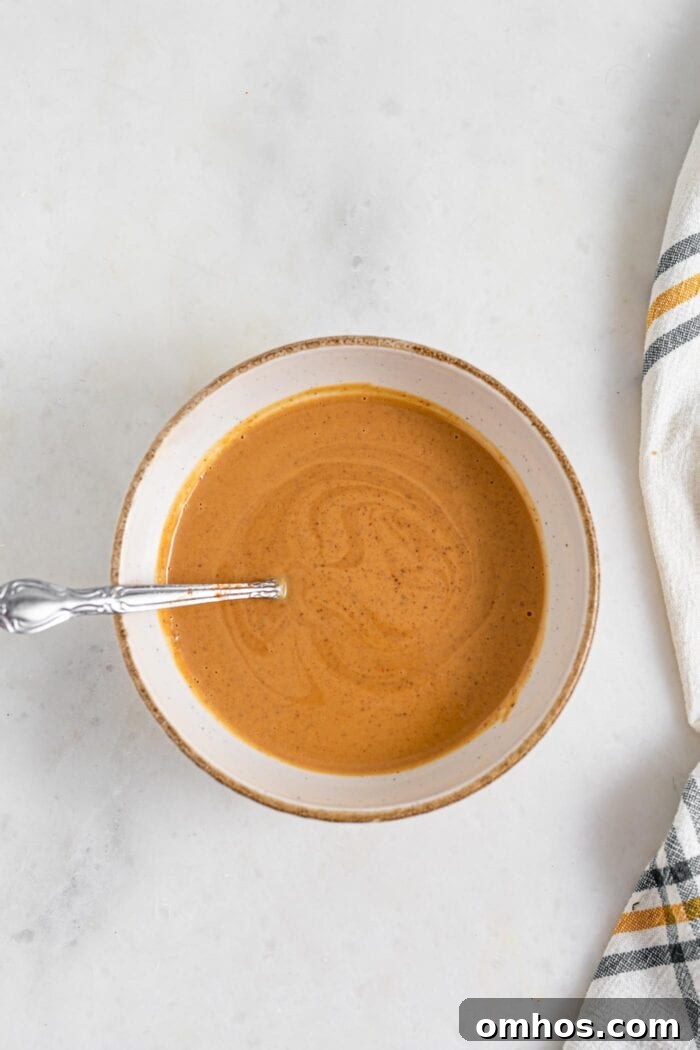
Step 5: Whisk the almond butter dressing ingredients until smooth and creamy. The sauce thickens in the fridge, so thin with a little water when serving if needed.
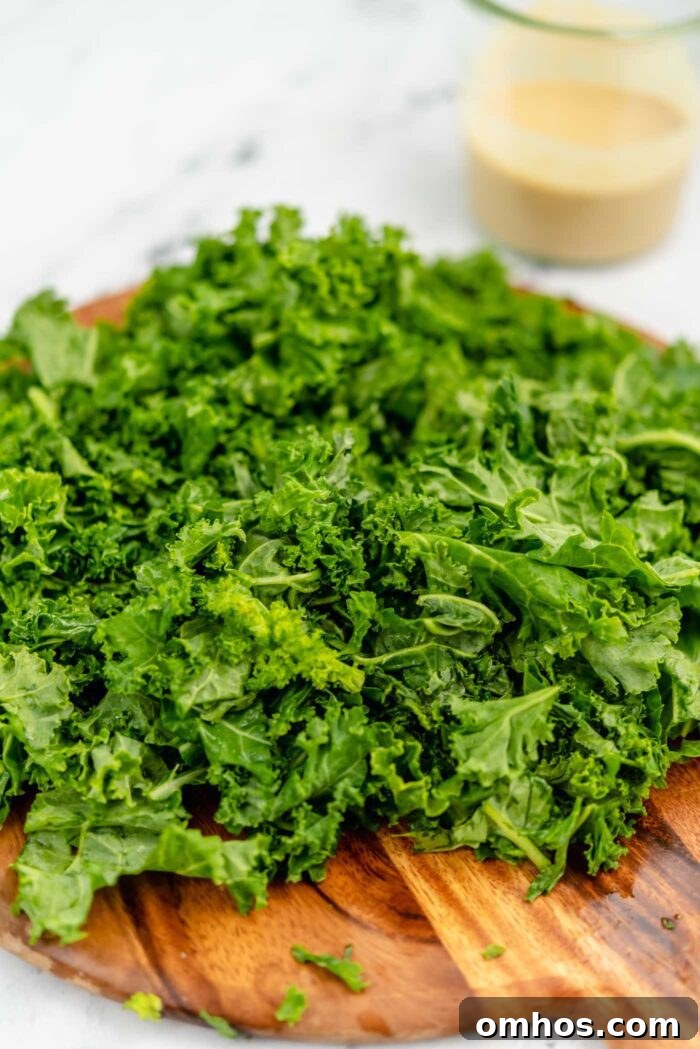
Step 6: Massage chopped kale with 1–2 teaspoons oil until dark and tender, or steam briefly to soften.
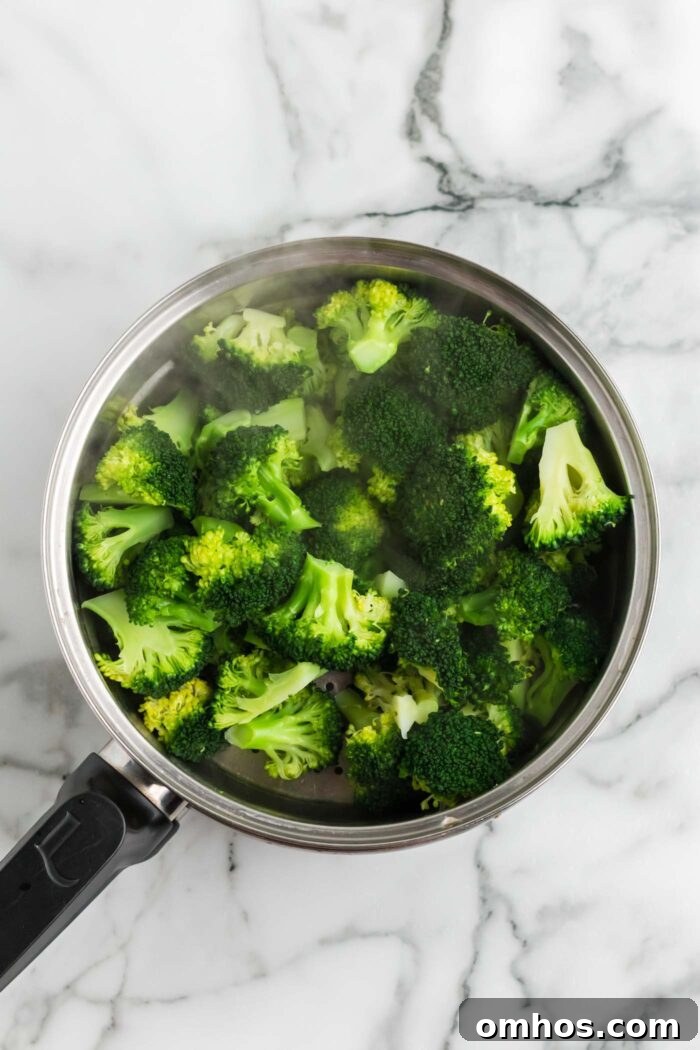
Step 7: Steam or quickly stir-fry broccoli until bright green and tender-crisp, about 4–5 minutes. Avoid overcooking; broccoli becomes soft and dull after about 7 minutes.
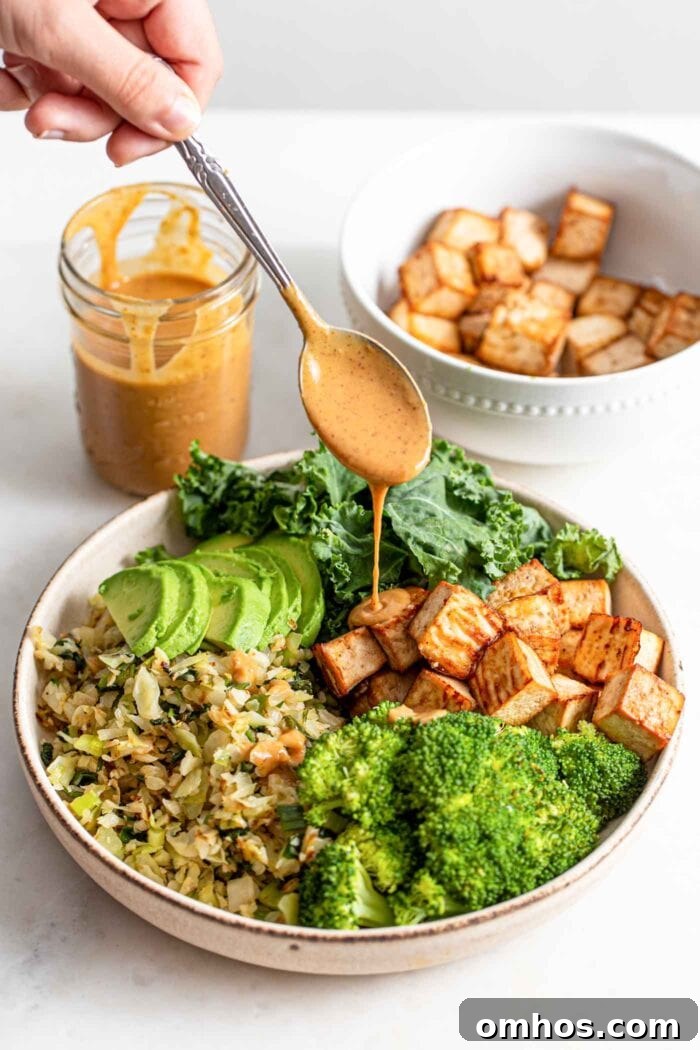
Step 8: Assemble bowls: start with a scoop of cabbage rice, add kale, broccoli, avocado and crispy tofu, then drizzle with the almond-butter sauce.
Expert Tips
- Almond butter gives a mild, creamy flavor; peanut butter is stronger but works fine. Use sunflower seed butter or tahini for nut-free options.
- Coat tofu well in cornstarch for optimal crispiness; one tablespoon is sufficient.
- Allow the cabbage to sit undisturbed in the pan for a few minutes so it can brown and develop flavor.
- Make the sauce ahead — it keeps for up to 5 days in the fridge and often tastes better after resting.
- Tofu can be baked up to 3 days in advance; the tofu often improves after sitting overnight.
Recipe FAQs
Can you eat low carb on a vegan diet?
Yes. It requires planning because many legumes and grains are higher in carbs. Focus on tofu, tempeh, edamame, seeds and non-starchy vegetables for balanced, lower-carb vegan meals.
Do you need to eat low carb for fat loss?
No. Fat loss depends on an overall calorie deficit. However, replacing refined carbs with protein and vegetables can improve satiety and make a calorie deficit easier to sustain.
Is this bowl keto-friendly?
At roughly 30 g carbs per serving and with grain-free cabbage rice, this recipe fits many keto plans. Use stevia or monk fruit in the sauce to keep it sugar-free.
Can I make this without a food processor?
Yes. Finely chop or shred the cabbage with a sharp knife, mandolin or box grater to achieve rice-sized pieces.
How much protein is in this bowl?
About 23 grams of plant-based protein per serving from the tofu and almond butter sauce.
How to Store
- Almond butter sauce: refrigerate up to 5 days (thin with water before serving if it thickens).
- Tofu: bake up to 3 days ahead and store in the fridge.
- Broccoli and kale: chop and store raw for up to 3 days before assembling bowls.
- Assembled meal prep bowls last about 3 days in the fridge; keep avocado and sauce separate until serving.
More Low-Carb Vegan Recipes
- Roasted Broccoli Cauliflower Salad
- High-Protein Vegan Salad
- Pesto Spaghetti Squash
- Vegan Cauliflower Rice
- Easy Gluten-Free Seed Bread
- Cauliflower Potato Salad
If you try this recipe, please leave a comment and rating — I love hearing from you. Thanks for trying my recipes! — Deryn
Recipe Card
Low-Carb Vegan Dinner Bowl
Author: Deryn Macey
Summary: A grain-free bowl featuring cabbage “rice,” crispy tofu, kale, broccoli, avocado and a creamy almond-butter dressing.
Ingredients (Serves 4)
- 1 package firm or extra-firm tofu (about 350 g), pressed
- 2 tbsp soy sauce or gluten-free tamari
- 1 tsp garlic powder
- 1 tbsp cornstarch
- Pinch black pepper
- 1 small green cabbage, riced
- 1 tsp coconut oil
- 1/2 cup chopped green onion
- 1/2 cup chopped fresh cilantro
- 3 cloves garlic, minced
- 4 tbsp almond, peanut or sunflower seed butter (60 g)
- 2 tbsp soy sauce or tamari (for the sauce)
- 1 tbsp rice wine vinegar
- 2 tsp Sriracha (optional)
- 4 tbsp unsweetened plant milk
- Pinch stevia or 1 tbsp maple syrup
- Salt and pepper to taste
- 1 avocado
- 4 cups broccoli florets
- 4 cups finely chopped kale
Instructions
- Preheat oven to 425°F (220°C). Cube pressed tofu and toss with soy sauce, garlic powder, cornstarch and a pinch of pepper.
- Spread tofu on a parchment-lined tray and bake 20–30 minutes until browned and puffy, flipping if desired.
- Rice the cabbage in a food processor or finely chop by hand. Sauté with oil, green onion, cilantro and garlic in a skillet for 6–10 minutes until tender and browned.
- Steam or stir-fry broccoli until bright and tender-crisp, about 4–5 minutes.
- Massage chopped kale with a little oil or steam briefly to soften.
- Whisk together almond butter, soy sauce, rice vinegar, Sriracha, plant milk and sweetener until smooth.
- Assemble bowls with cabbage rice, kale, broccoli, avocado and tofu. Drizzle with sauce and serve.
Nutrition (approx. per serving)
Calories: 423 kcal • Carbohydrates: 30 g • Protein: 23 g • Fat: 27 g • Fiber: 14 g
Originally published on March 20, 2019.