Imagine a flavorful journey through every way to cook meat: the smoky kiss of grilling, the deep richness of roasting, the quick gloss of sautéing, the gentle steam that keeps textures tender, the cozy depth braising provides, the simple reliability of boiling, and the bold character that smoking contributes. Each technique transforms meat into an exciting plate. Whether you want to elevate weeknight dinners or explore new cooking skills, these searing tips and methods will help you get there. Keep reading for practical advice that can change the way you cook meat.
One method that many home cooks are turning to is searing meat in a hot pan or on a griddle. Proper searing creates a crisp, caramelized exterior while keeping the interior juicy, and it builds flavor that other methods alone can’t match.
What is the best way to sear meat?
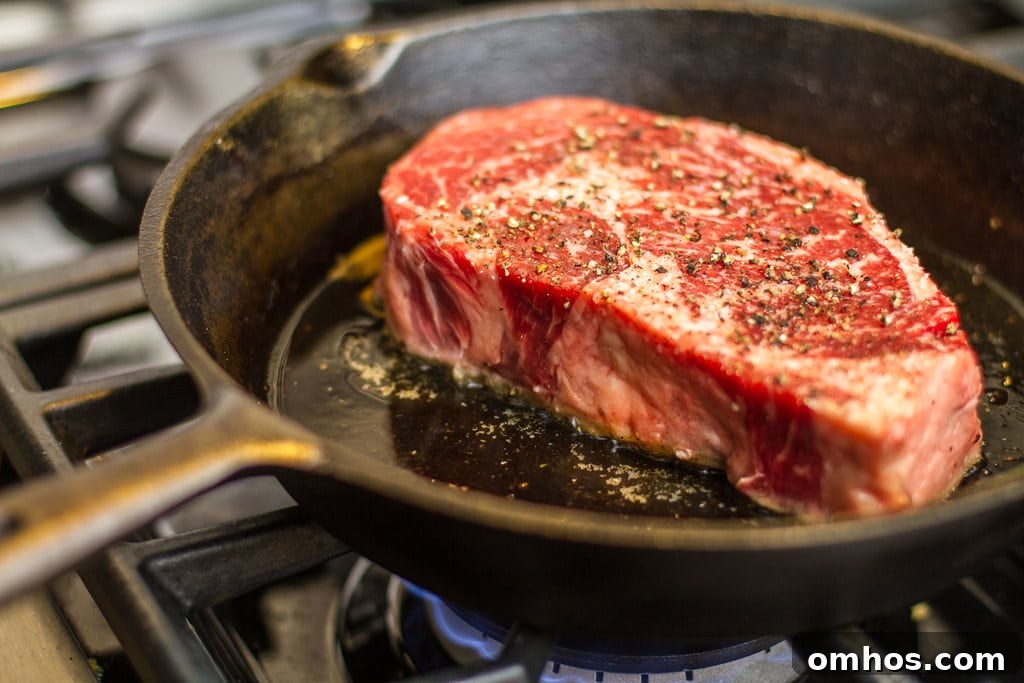
The best tool for searing is a heavy, well-seasoned cast iron skillet. Cast iron holds heat exceptionally well, produces even browning, and helps develop a deep crust without burning. If you don’t have cast iron, an oven-proof stainless steel or high-quality nonstick skillet will also work—just be mindful of heat limits for nonstick surfaces.
Use a small amount of a high-smoke-point oil (such as grapeseed or refined avocado oil) or rendered fat if the cut is very lean. If the pan lacks enough fat, the meat may stick and tear instead of forming a proper crust.
Why is searing meat important?
Searing creates a thin browned layer on the surface of meat through Maillard reactions, which develop complex savory flavors and appealing color. That browned crust enhances texture and taste and helps keep juices inside the piece while you finish cooking it. The result is meat that tastes deeper and feels more satisfying, with a pleasing contrast between a crisp exterior and a tender center.
What are the benefits of searing meat?
Searing adds texture, intensified flavor, and visual appeal. When you sear properly, you get a restaurant-quality finish: a caramelized surface, concentrated meaty aromas, and a satisfying mouthfeel. Searing also builds the flavorful base for pan sauces—those browned bits left in the pan can be deglazed with wine, stock, or vinegar to create a quick, rich sauce.
What are some tips for searing meat?
Follow these practical tips to get a great sear every time:
- Bring the meat to room temperature before cooking so it sears evenly.
- Pat the surface dry with paper towels—surface moisture inhibits browning.
- Season simply with salt and freshly ground black pepper right before searing.
- Preheat the pan until it is hot; a properly hot pan is essential for an instant crust.
- Use oil with a high smoke point and add it only when the pan is hot.
- Avoid overcrowding: leave space between pieces so the pan temperature stays high and steam can escape.
- Resist the urge to flip too often—one confident flip yields the best crust.
- Let meat rest briefly after cooking so juices redistribute.
How do you sear meat without a grill?
If you don’t have a grill, a cast iron skillet on the stovetop is the easiest and most reliable option. A griddle pan with raised ridges can simulate grill marks, and an electric griddle or panini press can work for larger or flatter cuts. For outdoor cooking without charcoal, a gas burner with a heavy pan will still produce excellent results.
How do you sear meat without a stove?
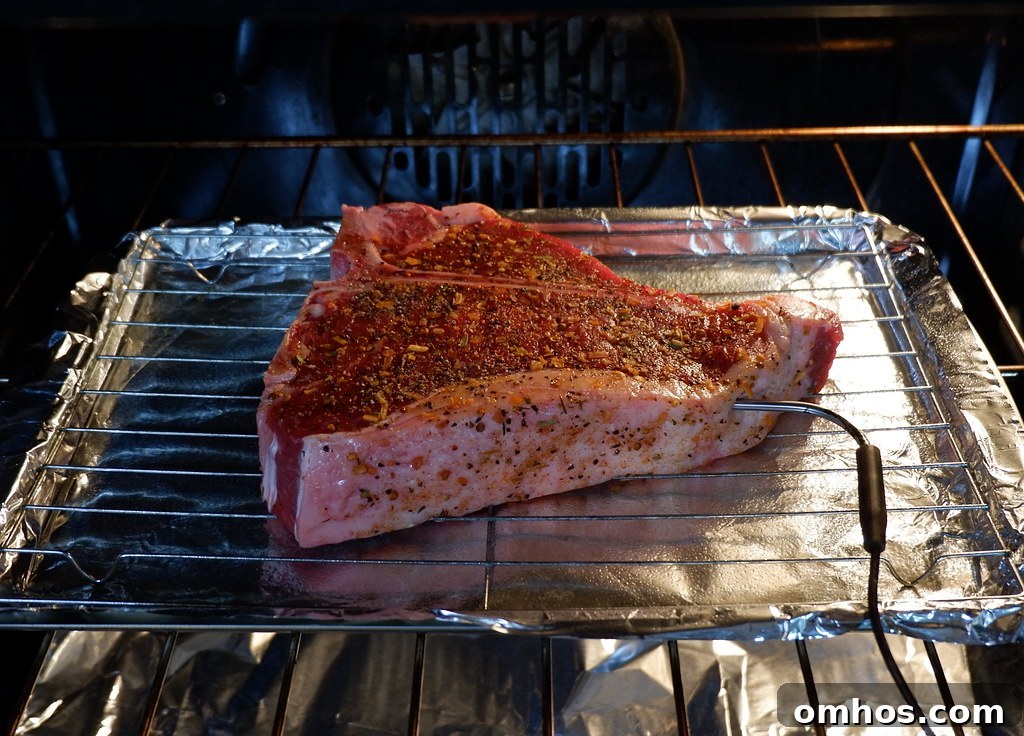
Electric skillets, portable induction burners, and countertop cookers can sear smaller cuts if they reach sufficiently high temperatures. For large pieces, use a grill or an oven-finishing method: sear in a hot pan or under a broiler, then transfer to the oven to finish cooking to the desired internal temperature.
Is searing meat necessary?
Searing isn’t strictly required for all preparations, but it is a highly effective technique for improving flavor, texture, and presentation. For many cuts—steak, pork chops, lamb medallions, and thicker poultry portions—searing before finishing in the oven or on a lower heat is the preferred approach for best results. If you prefer other methods like sous vide, roasting, or slow cooking, searing can still be used as a finishing step to add color and flavor.
What are the best cuts of meat to sear?
Cuts that sear well include steaks (ribeye, strip, tenderloin/filet mignon), pork chops, lamb chops, and hearty game cuts. Cuts with moderate marbling produce extra flavor as fat renders during searing. For poultry, bone-in or skin-on breasts and thighs develop a crisp skin when seared properly.
How do you properly sear meat?
Step-by-step searing:
- Remove meat from the fridge 20–30 minutes before cooking to approach room temperature.
- Pat dry and season liberally with salt and pepper.
- Preheat a heavy skillet over medium-high heat until very hot.
- Add a thin film of high-smoke-point oil and swirl to coat.
- Place the meat in the pan and don’t move it for the first 1–3 minutes, depending on thickness.
- Flip once and sear the other side until a deep brown crust has formed.
- Finish in the pan or transfer to an oven as needed until the internal temperature reaches your target doneness.
- Rest meat for a few minutes before slicing to retain juices.
Common mistakes when searing meat
Common errors include cooking meat straight from the fridge (uneven sear), not drying the surface, overcrowding the pan, flipping too often, and using too low a heat. Avoid these pitfalls by prepping meat properly, using a hot pan, and giving each piece room to brown.
Pan-seared Steak Diane (adapted)
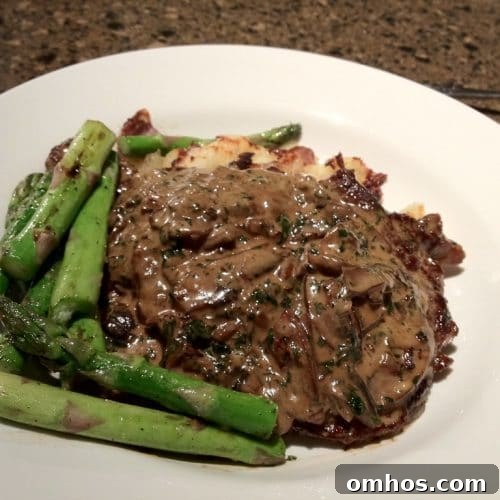
Here is a concise version of a classic pan-seared Steak Diane, a dish known for tender steak medallions finished with a wine and mushroom sauce.
Ingredients
- 2 lb beef tenderloin, cut into medallions
- 8 oz button mushrooms, sliced
- 1 tbsp cracked black peppercorns
- 3 garlic cloves, minced
- ½ cup white onion, chopped
- 2 tbsp Worcestershire sauce
- 2 tbsp Dijon mustard
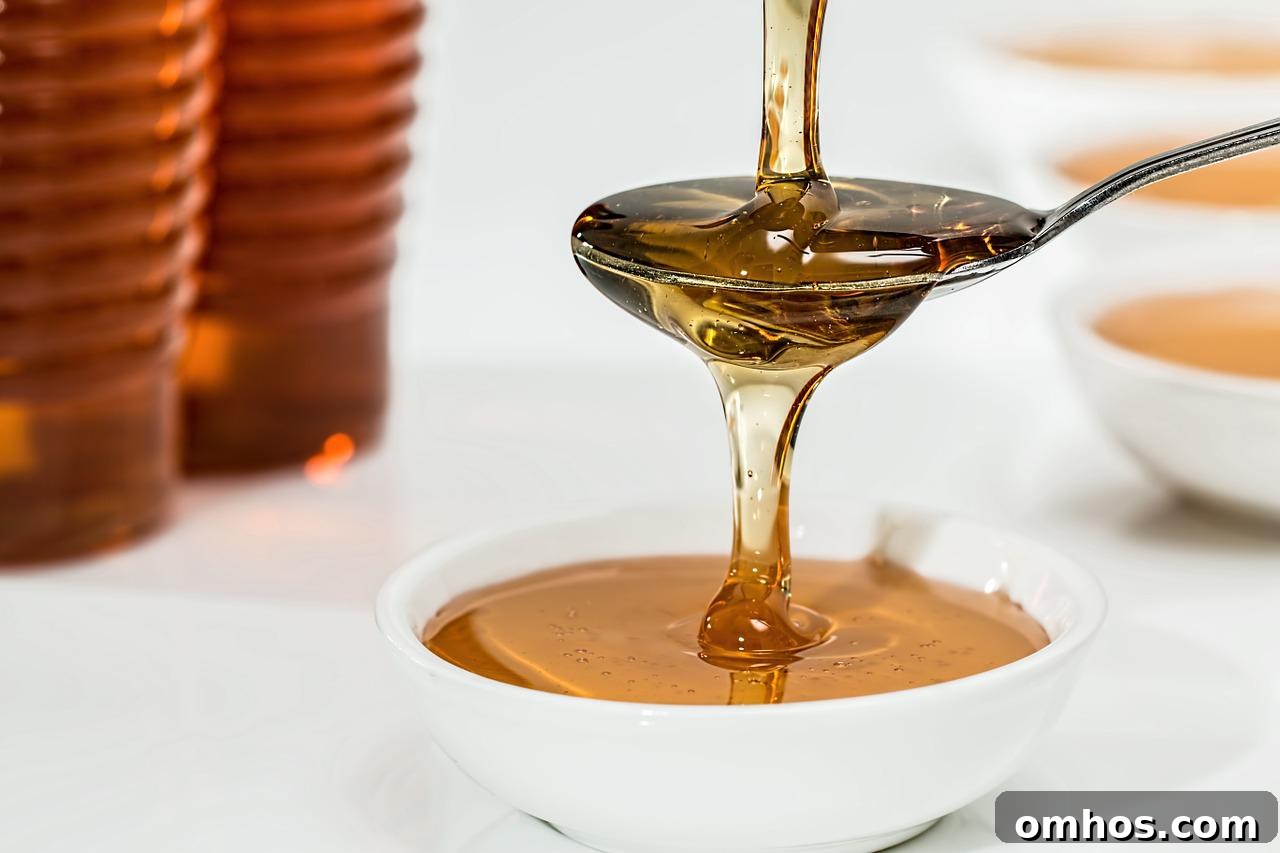
- 2 tbsp honey
- ½ tbsp thyme leaves
- 2 tsp parsley, chopped
- 2 cups Madeira wine
- ½ cup chicken broth
- 2 tbsp butter and olive oil for cooking
- Salt to taste
Instructions
- Season medallions with salt and pepper and pat dry.
- Preheat a large skillet over medium-high heat and add oil.
- Sear the medallions 2–3 minutes per side depending on desired doneness; remove and keep warm.
- Reduce heat slightly, add butter, sauté onions until softened, then add mushrooms and garlic; cook until fragrant.
- Stir in Worcestershire, honey, thyme, and Dijon mustard.
- Deglaze the pan with Madeira wine, then add chicken broth and simmer until the sauce thickens and reduces by about half.
- Taste and adjust seasoning, return steaks to the pan briefly to warm, garnish with parsley, and serve.
Equipment
- Heavy skillet or cast iron pan
Nutrition (per serving, approximate)
Calories: 696 kcal • Carbohydrates: 20 g • Protein: 36 g • Fat: 45 g
Related Posts
How To Tell If Honey Is Bad?
Pickled Sausage Recipe
Rice Wine Substitute?
25 Yummy Japanese Desserts