
Learning How To Make Workouts More Intense At Home doesn’t require more time, new equipment, or a complete routine overhaul. With a few simple tweaks you can make your sessions more effective, keep progressing, and build strength without overthinking it.
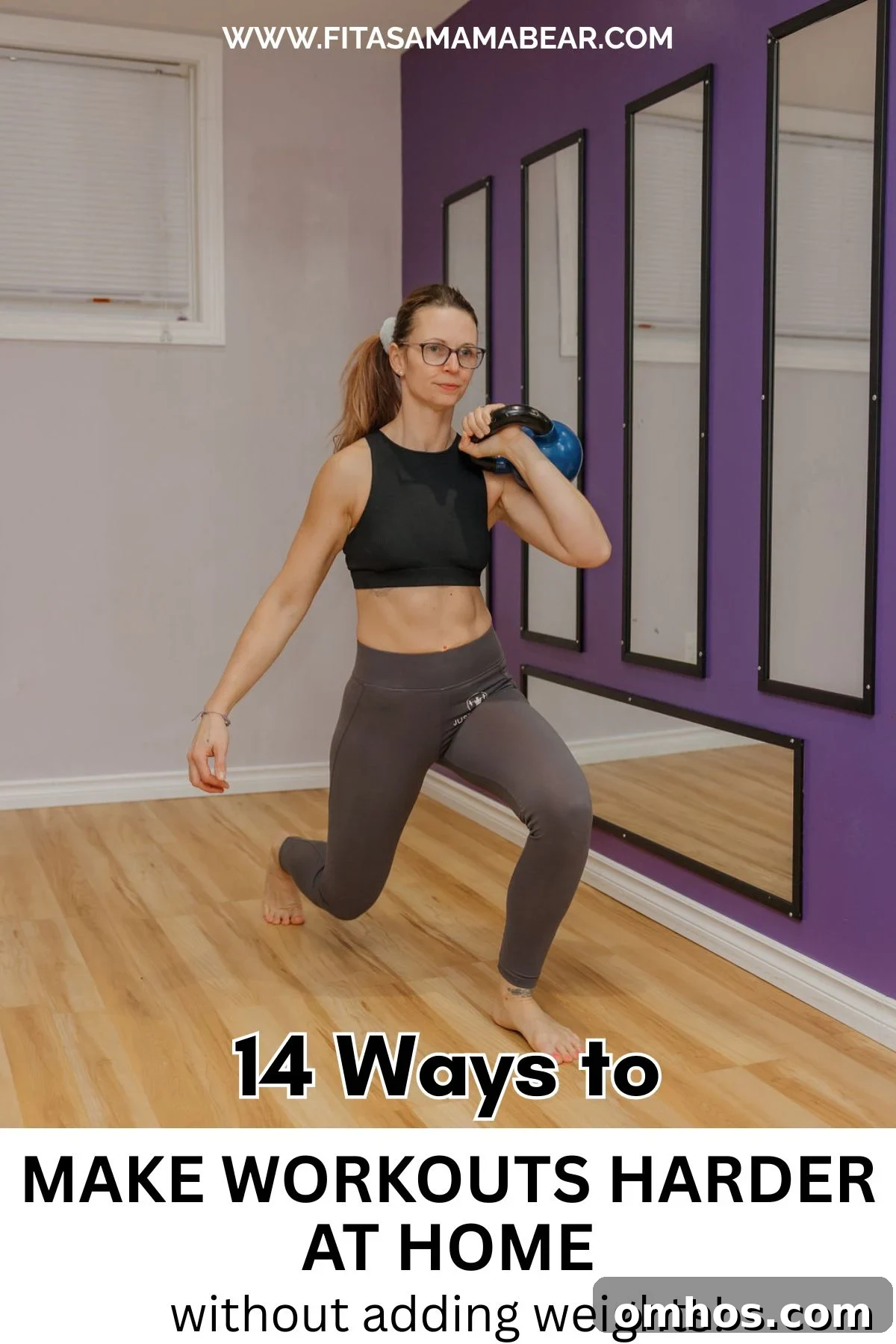
Working out at home is convenient and effective, but it can leave you wondering how to keep progressing when adding more weight isn’t an option.
If your results have stalled, it isn’t because home workouts don’t work. It’s usually because your training needs purposeful progression. Making your workouts more intense at home doesn’t mean doing more—it means doing things differently.
Why Your Workouts Feel Too Easy
When a workout that once challenged you starts to feel easy, your body has adapted. That’s positive progress, but it also means you must change the stimulus to continue improving.
Common reasons workouts feel easier over time:
Your body adapted. Repeating the same movements makes your nervous system and muscles more efficient, so what was once hard becomes familiar.
There’s not enough tension. If exercises don’t create sufficient muscular tension—especially near the end of a set—there is little stimulus for strength or size gains.
You’re moving too fast. Rushing reps often reduces muscle engagement and shifts emphasis away from the target muscles, making the work less effective.
15 Ways To Make Home Workouts More Intense
You don’t need a brand new program to break a plateau. Instead, choose 1–2 progression techniques and apply them consistently for a few weeks.
Below are practical methods you can use at home to increase intensity, build strength, and keep making progress without relying solely on heavier weights.
1. Paused Reps
Add a deliberate pause (usually 1–3 seconds) at the “sticking point” of the movement. For a squat, pause at the bottom; for a row, hold at the top. Pauses improve strength, control, and range of motion.
2. Use a Tempo / Focus on Eccentric Training
Control the lowering phase of each rep—try a three-second descent. Slowing the eccentric portion increases muscle tension and works especially well for pulling movements and hip hinges.

3. Add a Plyometric
Plyometrics (jump squats, plyo push-ups, speed drills) boost power and cardiovascular intensity. They require a solid strength base—scale to low-impact variations if needed.
4. Make It a Combo Move
Combine two exercises into one fluid movement to increase demand. Examples: squat-to-press, lunge with biceps curl, plank with row. Combo moves increase work per rep and raise heart rate.
- Squat to press
- Lunge with bicep curl
- Lunge with overhead press
- Plank with row
- Romanian deadlift to step-back lunge
- Glute bridge with floor press
5. Use Unilateral Exercise Variations
Single-limb work increases strength, balance, and stability. Examples include progressing squats to single-leg squats or two-arm presses to single-arm presses.
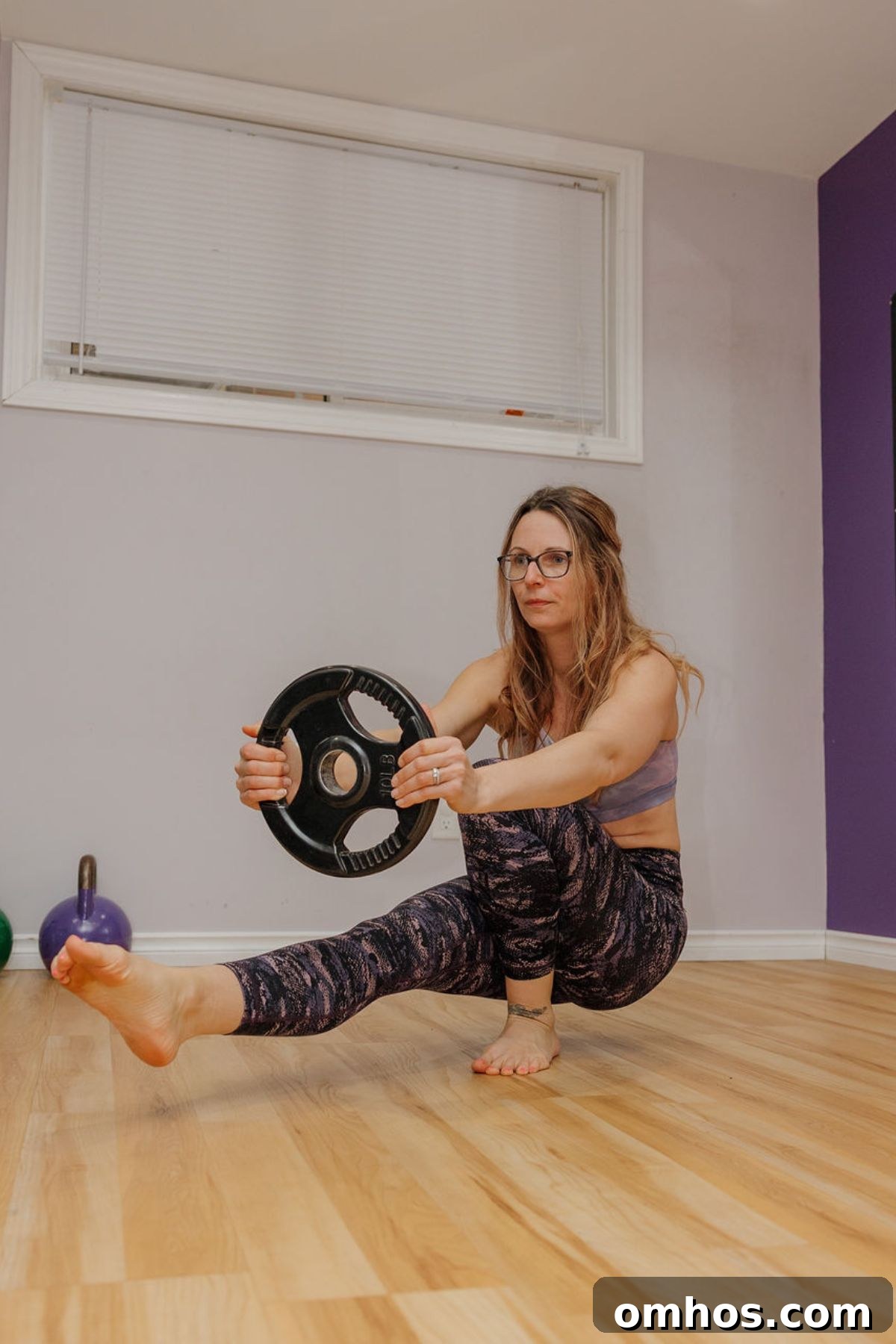
6. Increase Repetitions
Add reps to challenge muscular endurance and push closer to failure. If you previously did eight reps, try twelve. Low-impact moves like glute bridges can go up to 20–30 reps.
7. Add More Sets
Increasing the number of sets raises weekly volume and helps break plateaus. For example, add an extra circuit round or an additional set for key lifts.
8. Make a Circuit
Instead of straight sets, perform exercises back-to-back. Circuits improve conditioning, increase intensity, and reduce rest times between muscle groups.
9. Add More Training Days
Increasing how often you train each week raises overall volume and accelerates progress—provided you recover adequately and avoid overtraining.
10. Increase Time Under Tension
Slow the entire rep to lengthen how long your muscles are under load. Try different tempos—e.g., 2 seconds up, 1-second pause, 3 seconds down—to maximize stimulus.
11. Use Partial Reps
Partial repetitions at the end of a set can create a focused “burnout” effect. Variations like 1-and-1/4 reps or short-range pulses are especially effective for finishing moves.
12. Shorter Rest Times
Cutting rest between sets and exercises raises heart rate and endurance demands. Reducing rest by 10–30 seconds can meaningfully increase session intensity.
13. Use a Bigger Range of Motion
Increasing range of motion can require lowering your load slightly but improves joint health and builds strength through fuller movement patterns.
14. Add Tension
Create extra tension with bands, mini-loops, or isometric holds. For example, add a band around your knees during squats or hold an isometric top position on a glute bridge for 15–20 seconds.
15. Play With Rep Schemes
Varying rep structures can shock the body and stimulate new gains. Try drop sets, supersets, pyramids, or ladder training to change the stimulus.

How To Use The Methods Together
The most effective progress comes from layering techniques, not overhauling your whole routine. Pick one or two methods and apply them to existing exercises for a few weeks.
Examples of useful pairings:
- Slow your reps + add a pause: Lower for 2–3 seconds, pause at the sticking point, then press back up.
- Reduce rest time + add an extra round: Shorten rest by 10–15 seconds and add one more circuit round.
- Improve range of motion + control the tempo: Move deeper while keeping each rep slow and deliberate.
Small, consistent changes are what force adaptation—be patient and track the progress.
How It Should Feel
When you apply these techniques, workouts should feel different—more focused and controlled rather than just busier.
You should notice:
- The last few reps feel challenging but achievable.
- You feel the targeted muscles working.
- Your reps are controlled instead of rushed.
- You finish feeling effectively worked, not only sweaty.
For example, adding a pause to the bottom of your squat will change the sensation and effectiveness of the same movement without adding weight.
If you’re unsure how to structure progress, a simple, structured program can help you apply these techniques week by week so you stop guessing and start seeing results.
Other Fitness Tips You’ll Find Helpful
-

10 Lunge Variations for Glutes You Can Do at Home -
25+ Women’s Workout Routines For Weight Loss and Toning -
List Of 20+ Bodyweight Exercises PDF -
12 Benefits Of Resistance Training

How To Make Workouts More Intense — FAQs
Common progressions include moving from two-legged squats to single-leg squats, progressing from band-assisted pull-ups to unassisted pull-ups, or advancing from elevated push-ups to floor push-ups.
Progression prevents plateaus and drives continued improvements in strength, endurance, and body composition. Consistent, incremental challenges are how fitness goals are reached.
Increase intensity when you can complete your sets with little challenge at the end. A common guideline is every 3–4 weeks, or sooner if your workouts start to feel easy.