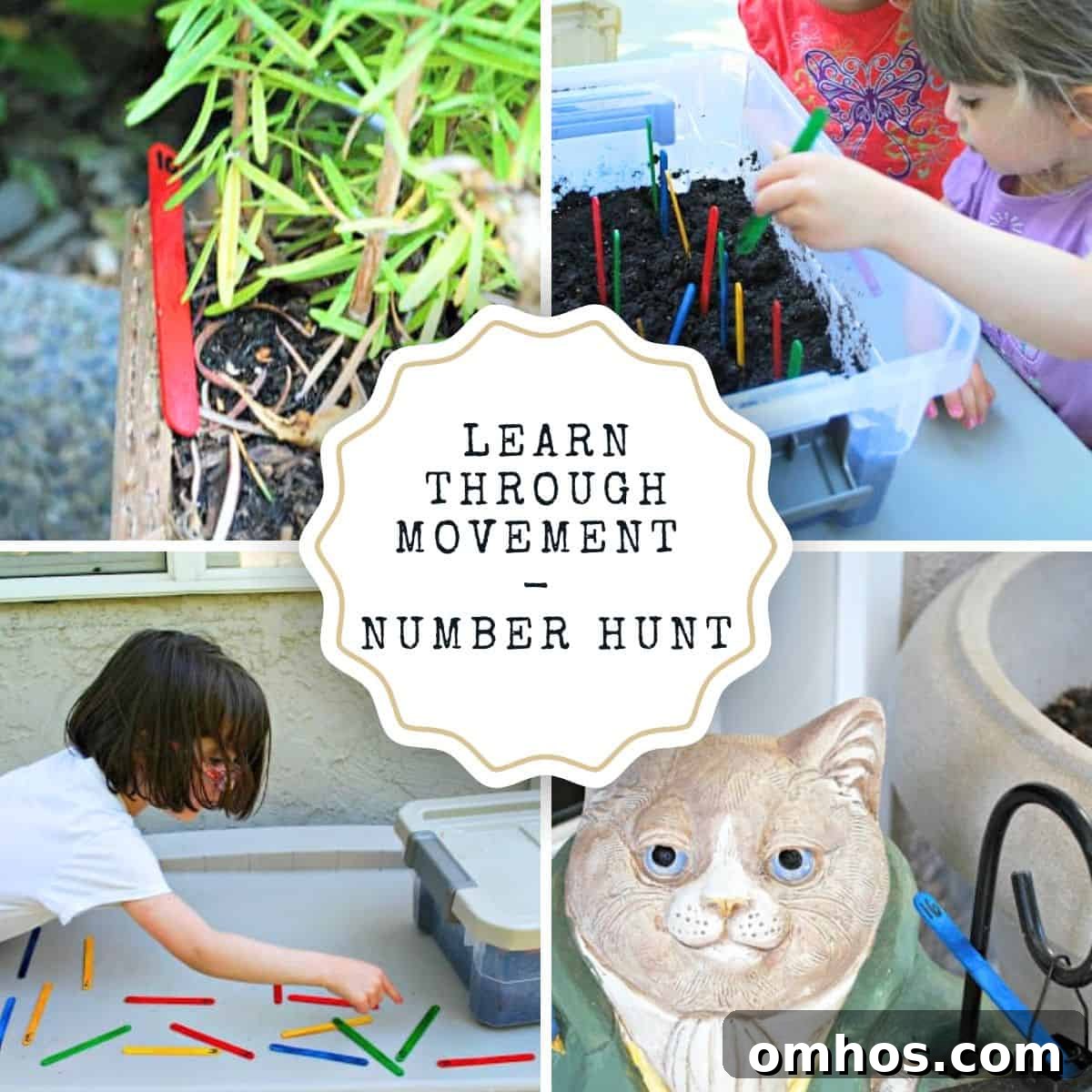
This week I’m joining a series with two of my favorite kids’ sites, Mom to 2 Posh Lil Divas and Train Up a Child, to explore practical ways children can Learn Through Movement. Parents and teachers look for hands-on, active methods to make learning more engaging, and combining physical activity with academic tasks helps children stay motivated and retain more. Movement-based learning turns passive lessons into lively experiences that build both motor and cognitive skills.
Ready to try an activity that gets kids moving and practicing math at the same time? This simple number hunt is ideal for preschoolers and early elementary children who enjoy searching and counting. It’s low-prep, adaptable for different ages, and encourages cooperation, physical activity, and number sense.
You will need:
- Popsicle sticks
- Marker
That’s all. A few numbered sticks and a little outdoor space are enough to set up a fun, active math game.
How to have a number hunt
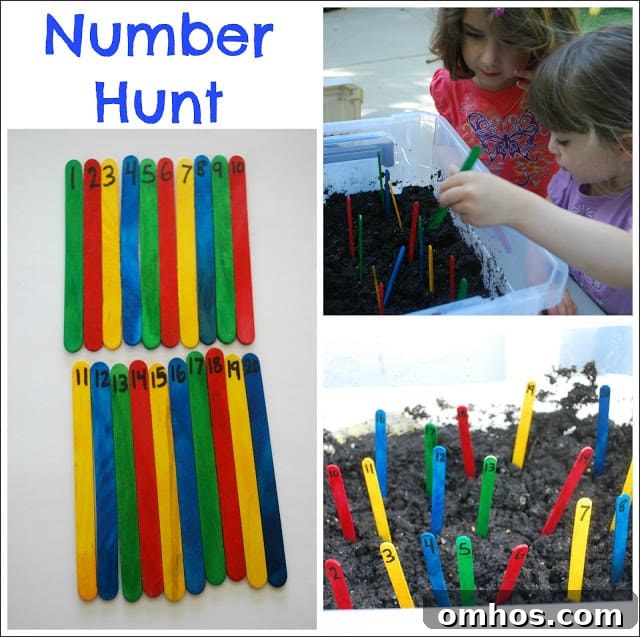
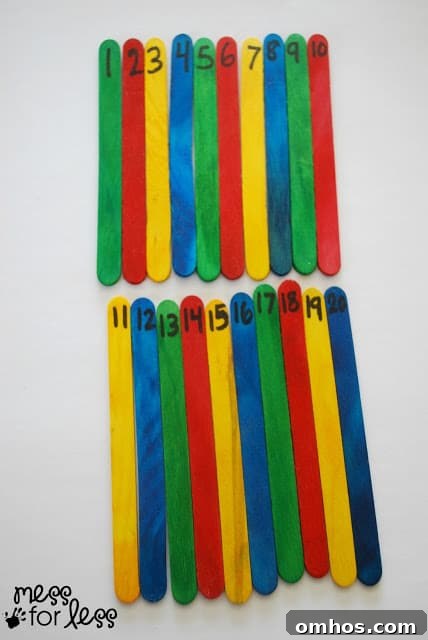
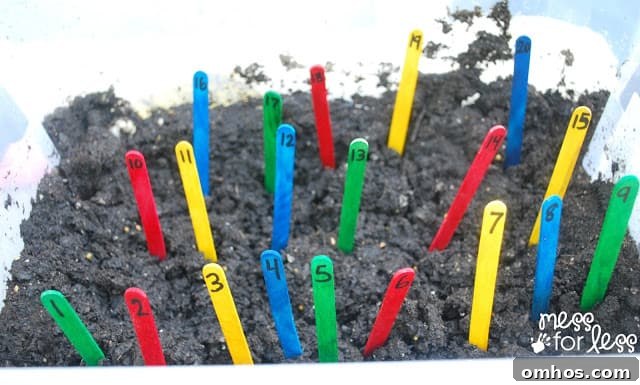
Write numbers on the popsicle sticks. For a basic game, number them 1–20; for older children, extend the range or include doubled numbers, simple equations, or skip-counting sequences.
While the children are not looking, hide the sticks around the yard or play area. Choose hiding spots based on the children’s ages—very young kids do better with sticks hidden in plain sight, while older children enjoy more challenging locations.
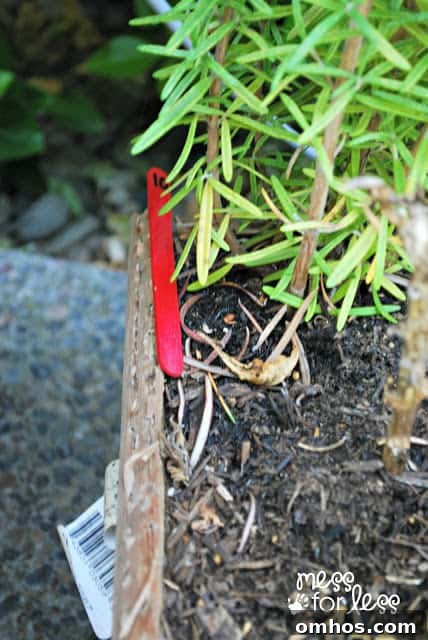
Have fun being creative with hiding places. For preschoolers, keep the spots obvious so they stay motivated; for older kids you can tuck sticks under objects, behind plants, or in a sensory bin.
Explain the rules: the children must find the numbered sticks, bring them back to a central spot, and arrange them in numerical order before time runs out. I set a 10-minute limit for three- and four-year-olds; you can shorten the time for older kids or add a competitive element.
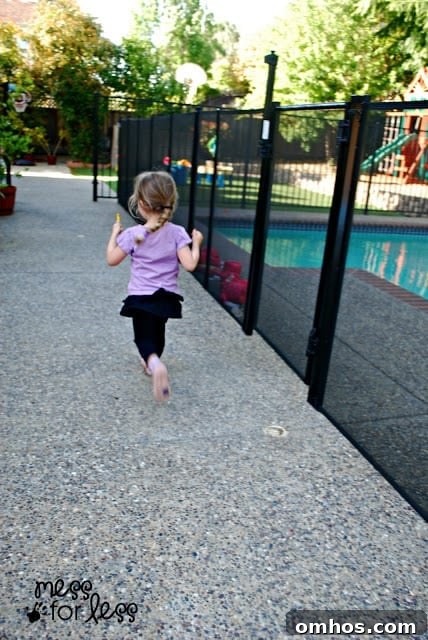
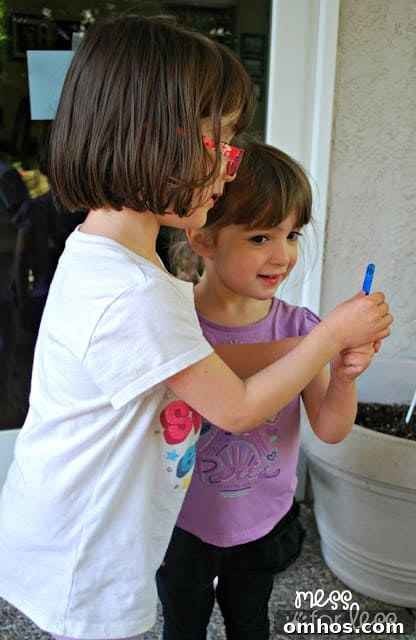
In our game the children immediately began searching—running, climbing and jumping as they hunted for sticks. This kind of play builds gross motor skills while reinforcing counting and number recognition.
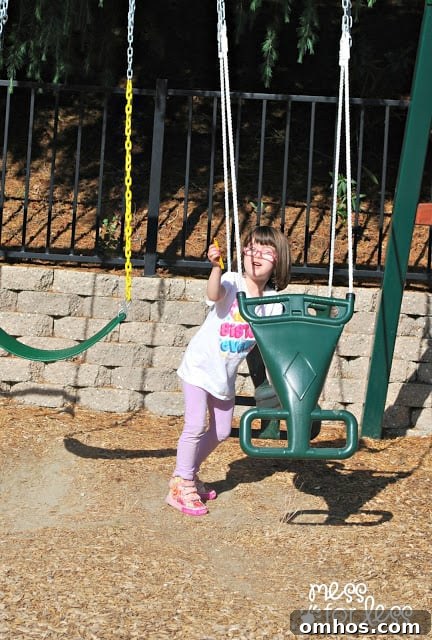
As they found sticks, they returned them to a central spot. When they had several sticks collected, we counted them together to see how many they had uncovered so far. At one point they had 14 sticks and worked out that six were still missing—an excellent opportunity to practice subtraction and estimation.
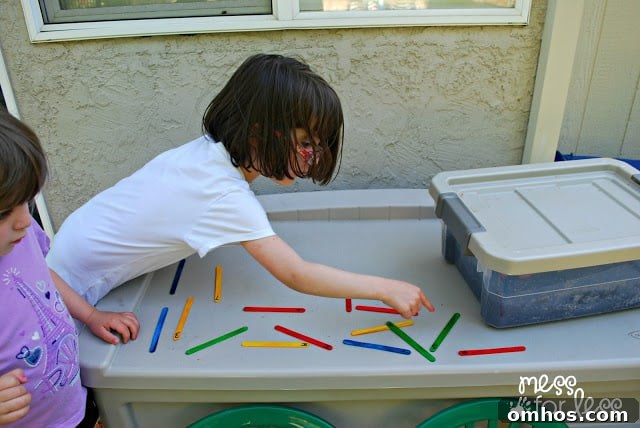
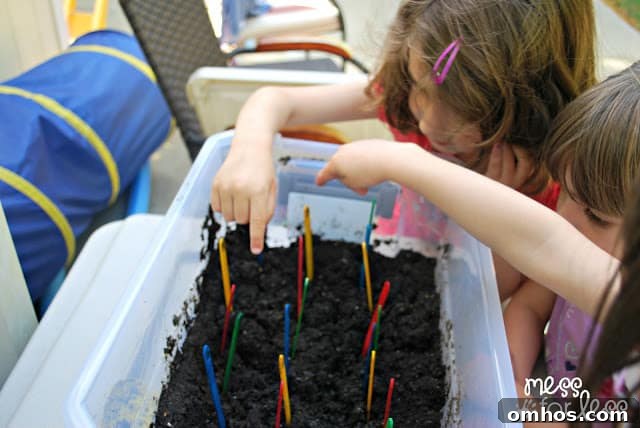
We used a mud sensory bin as the staging area, but a table or the ground works just as well. Once enough sticks were gathered, the children began arranging them in order. They realized one number—16—was missing and sprinted off to find it. Small setbacks like this encourage problem solving and teamwork.
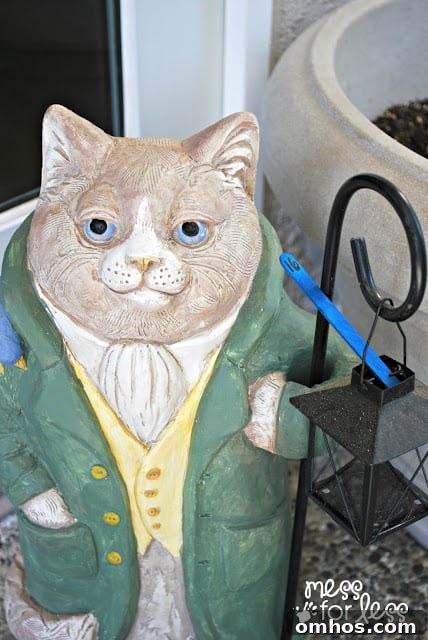
The missing stick had been tucked by a garden statue, a spot they had passed many times before spotting the number. With a minute to spare they found it and returned to finish the sequence. One child stayed behind to put the sticks in numerical order while the others searched for the last piece—collaboration and role-sharing in action.
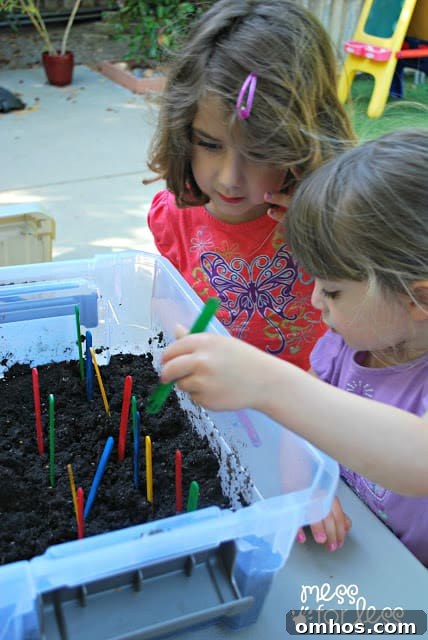
They completed the challenge, counted through the sequence together, and celebrated when they beat the clock. After the official game they spent more time hiding and finding the sticks on their own, replaying the activity and reinforcing skills through repeated, playful practice.
This number hunt supports numerical order, counting, cooperation, and gross motor development. For older children, a variation is to make three identical sets of numbered sticks and have teams race to find and order their own set.
Give this number hunt a try with your kids or students. It’s a low-cost, high-engagement activity that encourages learning through movement and play. If you enjoy this, try other number activities for preschoolers and explore additional Learn Through Movement ideas for reading and science as part of the broader series.
Learn Through Movement is a series from Train Up a Child, Mom to 2 Posh Lil Divas, and Mess For Less. Look for related posts on gross motor math games, reading through movement, and science activities that encourage learning while kids move and play.
For nature-inspired play ideas and sensory activities, browse posts from The PLAY Group contributors such as Growing a Jeweled Rose and Housing a Forest, which include mud play recipes and other outdoor play suggestions.