Welcome to The Storied Shot series, where I connect an image I created to a story I shared on the podcast. In each installment I break down the choices I made while producing a single photograph so you can learn practical tips for telling a story with your food images. If you’d like resources on specific food-photography topics, I keep an expanding list linked below. I welcome feedback and requests—email me at [email protected].
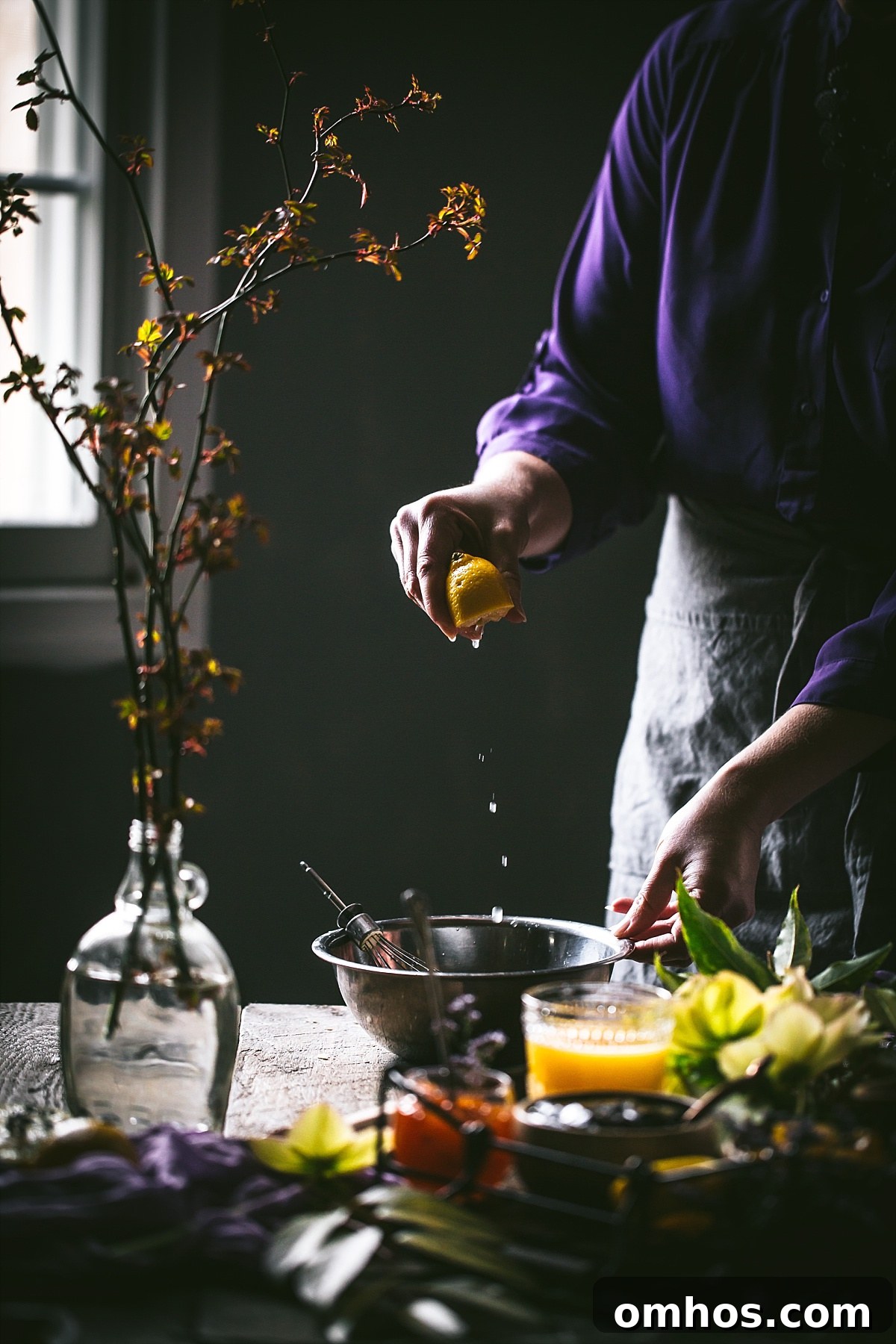
Here’s the image we’ll study today:
The Challenge
Shooting recipes I don’t prepare regularly is always a challenge. Often my podcast guests choose the dish, so I must execute unfamiliar techniques and hope the final images succeed. To give myself options, I shoot many ingredient, prep, and action frames to increase the chances of a great image. That strategy is covered in more detail in my free resource, “How To Make Ugly Food Beautiful.”
This shoot carried an extra emotional layer: Lauren lost her mother at 14, and I wanted the photos to honor her mother’s creative, inclusive spirit.
Vision
Lauren remembered her mother Maxine as a forward-thinking home cook in the 1970s. While many cooks relied on canned shortcuts back then, Maxine favored fresh ingredients and bright flavors. Her hamantaschen reflected that approach—fresh lemon juice, nuanced layers of flavor, and nutty textures while keeping the fillings authentic. I wanted the photos to speak to that memory, so I planned a close, tactile shot of someone squeezing lemon over the pastry as a visual tribute.
Color Choices
Purim and hamantaschen are inseparable for Lauren and for many people in the Jewish community. I selected the color palette with that in mind. Because Purim recalls Queen Esther’s courage, I introduced purple tones as a subtle nod to royalty and to early spring. The purples also tied into the prune filling, and they complemented the warm golds and oranges of the apricot filling, creating a balanced, evocative palette.
Composition
Action photography improves dramatically when you think in three dimensions and style vertically through the whole frame. For years I styled only near the food; when I began extending styling upward the images felt more layered and alive. In this shot I added a simple vertical element: two pruning canes from a climbing rose placed in a glass bottle. They gave the frame height and led the eye without distracting from the action.
Lighting
Lighting is everything. I needed the light to hit and pass through tiny droplets of lemon, so I set up a single, directional source. I shoot in my garage with multiple windows, so for this frame I closed every door and blackout curtain except one window. I positioned the setup diagonally to that window to combine backlight and a slight side angle. That let the light pass through the lemon drops and the fruit on the tray, making them translucent, while the wall behind stayed darker for contrast.
Clues to the light direction appear across the scene: the minimal illumination on my shirt’s front versus the glow through the orange juice and the flower petals, and the way the leaves on the rose branches become translucent where the backlight hits them. All of these details confirm the decision to use a single, directional window as the primary light.
Technique for a Self-Portrait—and how to get those drops sharp
I was alone for this shoot, so I set the camera on a tripod and used the 10-second timer. To ensure the lemon, the droplets, and my hand were in focus I placed a small, high-contrast element directly under where my hand would be and focused on it—here, a glint on the whisk in the bowl. I took a test frame with my hand held above that point to confirm focus, then captured several squeezing frames. I don’t use tethering or a remote for this kind of shot; the timer method is slower but reliable.
Odds and Ends
Hand placement is one of the trickiest parts of shooting action food photos. To make it obvious that I was holding a lemon—and to let the light reveal the fruit rather than it appearing as a dark block—I had to push the lemon farther out of my grip than I would naturally. It looks slightly staged, but the visual clarity it provides felt more important than perfect naturalism. The final image reads clearly and honors the memory it was meant to evoke.
That’s the story behind this shot—my approach to concept, color, composition, lighting, and the small technical steps that made the moment sing.
To find topical food photography resources, click here:
Food Photography Fundamentals
How To Make Ugly Food Beautiful
Hear more about Lauren’s story here:
Episode 018: Hamantaschen for Purim
To make their hamantaschen recipe, look here:
Hamantaschen Recipe
That’s it! If you have questions, leave a comment below or reach out via email.