After years of struggling, I cleared my perioral dermatitis using a combination of natural treatments, dietary adjustments, and sensible self-care. Below I’ve gathered the most practical, evidence-aligned tips I used at home to stop the endless cycle of topical steroids and repeated antibiotics. These methods helped thousands of readers and might help you, too.
Perioral dermatitis was one of my longest-running health frustrations.
My breakout around the nose and mouth eventually pushed me to overhaul my diet, skincare, and daily habits. If I’d known how quickly my skin could begin to heal once I removed common triggers and supported my internal systems, I would have started sooner. The approach below combines immediate at-home remedies with longer-term changes that address root causes like gut imbalance and hormonal issues.
I often get asked how I managed to heal perioral dermatitis naturally and what truly moved the needle. Below is a concise guide to the most useful steps I took, broken into what perioral dermatitis looks like, how conventional treatments work, and practical natural treatments you can try at home.
Here’s what we will cover:
- What is Perioral Dermatitis?
- Perioral Dermatitis: Healing Stages and Medications
- Natural Treatments and Self-Care Tips to Try at Home
If you want the whole story behind my lifestyle changes—balancing hormones, supporting gut health, and rethinking product choices—those elements reinforced the long-term remission I’ve enjoyed. For many people, a combination approach is what stops relapses for good.

After years of relapses and repeated antibiotic courses that damaged my gut, I’ve been essentially perioral dermatitis–free for nine years. A handful of targeted changes produced fast improvement, while a broader set of lifestyle adjustments kept it away long term.
Below are photos from my first month of treatment; I tracked progress daily. Within weeks the inflammation faded and by one month the rash had mostly cleared, leaving only faint scarring. Today my skin is stable with occasional, mild flare-ups when I’m run down or weather changes dramatically.
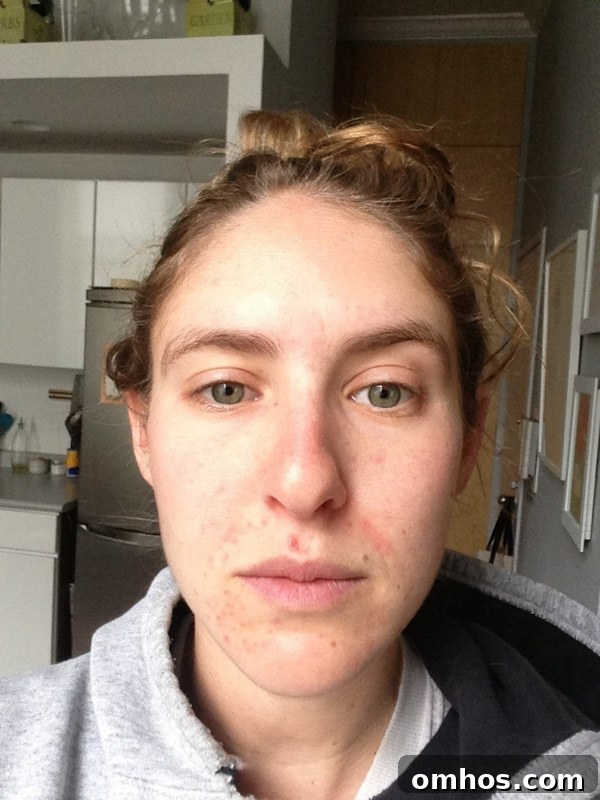

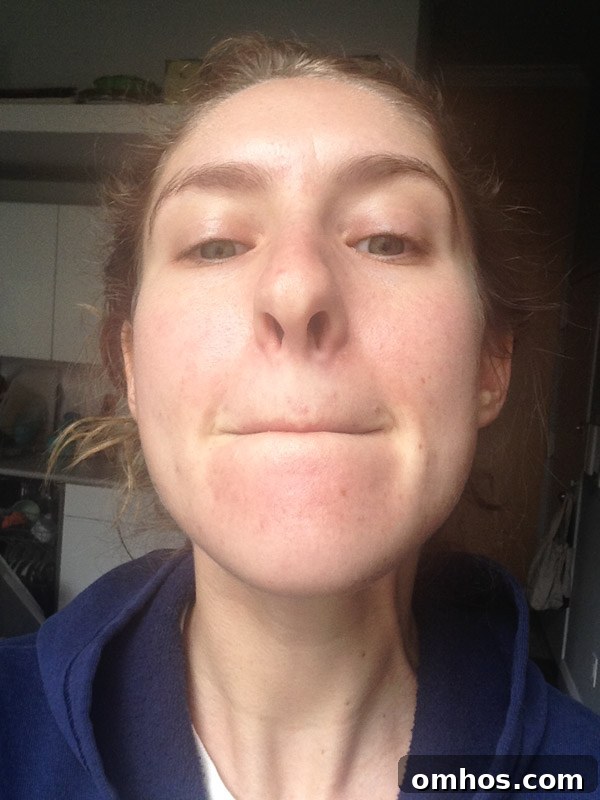
When flares do appear, a quick review of the practices below usually lets me stop them before they spread. If your dermatologist’s primary tool is a prescription pad of antibiotics, know there are many at-home steps that can reduce reliance on medications and address the root causes.
With health and hedonism,
Phoebe
WHAT IS PERIORAL DERMATITIS?
Perioral dermatitis is a facial rash that most often affects women. It appears as small, raised pink or red bumps clustered around the mouth and the sides of the nose. The texture and coverage make it hard to conceal with makeup, and it can significantly affect confidence.
The condition is often recurrent. While overuse of topical steroids and nasal steroid sprays is a well-known trigger, the full set of causes is complex and usually reflects a systemic imbalance—often involving hormones, gut health, or immune factors.
PERIORAL DERMATITIS: HEALING STAGES AND MEDICATIONS
Conventional dermatology typically treats perioral dermatitis with oral antibiotics and topical antibiotic creams. These can clear the rash quickly but often only provide temporary relief. Repeated courses of broad-spectrum antibiotics disrupt gut flora and can make long-term healing harder.
Antibiotics may eliminate symptoms while leaving the underlying imbalance—such as thyroid dysfunction or gut dysbiosis—unaddressed. That imbalance is frequently why the condition recurs.
For these reasons, it’s worth pairing short-term symptom control with strategies that support your microbiome, liver function, and hormonal balance so the rash is less likely to return.
NATURAL TREATMENTS AND SELF-CARE TIPS

Address internal root causes
Give your liver a break: skip alcohol, caffeine and excess sugar for a few weeks.
Supporting liver function reduces systemic inflammation and helps clear excess hormones and toxins. When I removed alcohol, caffeine, and added-sugar for a month, my rash improved dramatically within weeks. This reset can also improve gut health and, indirectly, skin health.
If you have thyroid issues or autoimmune conditions, supporting the liver is important for converting thyroid hormone and maintaining hormonal balance. Consider having a full thyroid panel done if you suspect a thyroid connection.
Rule out food intolerances.
An elimination diet can reveal food triggers that fuel inflammation. Common culprits include gluten, dairy, soy, corn, and eggs, but triggers vary by person. Remove suspected foods for several weeks and monitor skin changes. Reintroduce foods slowly to identify specific reactions.
Support your gut.
Gut dysbiosis and overgrowths like SIBO can manifest as skin inflammation. Work on repairing the gut lining, reduce inflammatory foods, and support beneficial bacteria with targeted probiotics and prebiotics. Improving gut health often reduces skin flares over time.
Address external triggers
Switch to gentle, natural skincare.
Harsh surfactants, fragrances, and preservatives can exacerbate sensitive skin. Choose products with short ingredient lists and avoid exfoliating beads, strong toners, and anything that stings. Many green beauty options use calming botanicals and fewer irritants.
Also check laundry detergents and household cleaners—face-to-fabric contact from towels and pillowcases can transfer irritating residues. Use fragrance-free, gentle detergents and wash pillowcases weekly.
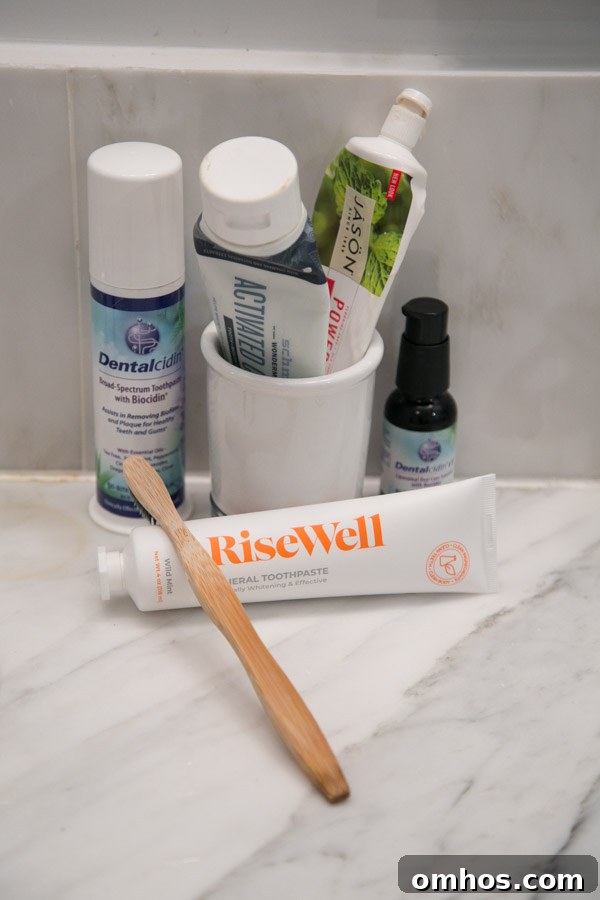
Change your toothpaste—try fluoride-free and surfactant-free options.
Toothpaste can irritate the perioral area. Try switching to a non-foaming, surfactant-free toothpaste and avoid intense mint flavors for a period to see if the rash improves. This is a simple, low-cost experiment that often helps.
Do a 24-hour product detox.
Stop using all skincare and cosmetic products for 24 hours to see how your skin responds. Reintroduce products one at a time and track reactions. External triggers tend to show effects quickly, while dietary or internal causes can be slower to appear.
Keep routines minimal—the fewer ingredients, the better.
A pared-back skincare routine reduces the chance of irritation and makes it easier to identify problem products. Simple cleansers like raw honey, single-ingredient washes, or a gentle cleansing milk can be enough while your skin heals.

Avoid heavy face oils initially.
While many face oils are nourishing, they can be too heavy for some people with perioral dermatitis. Start with a light, calming cream and introduce oils later if your skin tolerates them.
Use a gentle, non-foaming cleanser and wash only once daily.
Over-washing strips protective oils and can worsen redness and oiliness. Cleanse well at night and simply rinse with water in the morning to keep skin balanced.
Wash or change pillowcases weekly and use a dedicated face towel.
Pillowcases and towels pick up products, oils, and bacteria. Regularly laundering these items and reserving a clean towel for your face helps reduce transfer of irritants.
Sanitize makeup tools and remove makeup nightly.
Makeup brushes and sponges can harbor bacteria and product buildup. Wash brushes weekly and remove makeup thoroughly each night to prevent irritation.

Give your skin time to breathe.
Minimize heavy foundations and concealers while healing. Occasional makeup-free days allow the skin to recover faster and reduce clogged pores and irritation.
Have you had success with natural treatments, lifestyle changes, or simple product swaps? Share your experience below—skin inflammation is highly individual, and community tips can be really helpful.