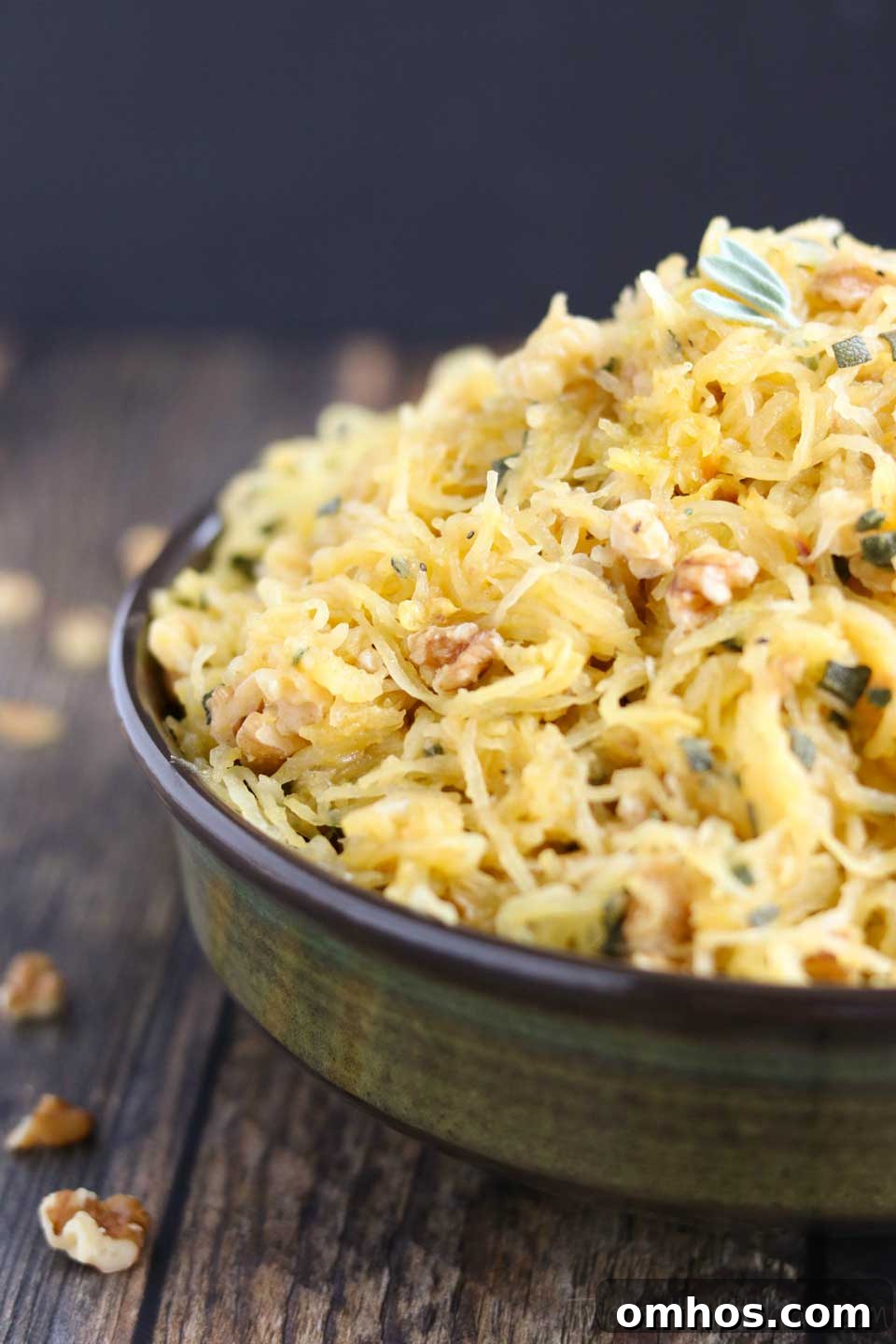
This Microwave Spaghetti Squash recipe is quick enough for weeknight dinners and elegant enough for holiday tables. A fast microwave technique cuts cooking time, while just a few ingredients—browned butter, toasted walnuts, and fresh sage—turn shredded squash into a satisfying, flavorful side.
• Ready in 30 Minutes or Less • Vegetarian • Gluten Free • Paleo

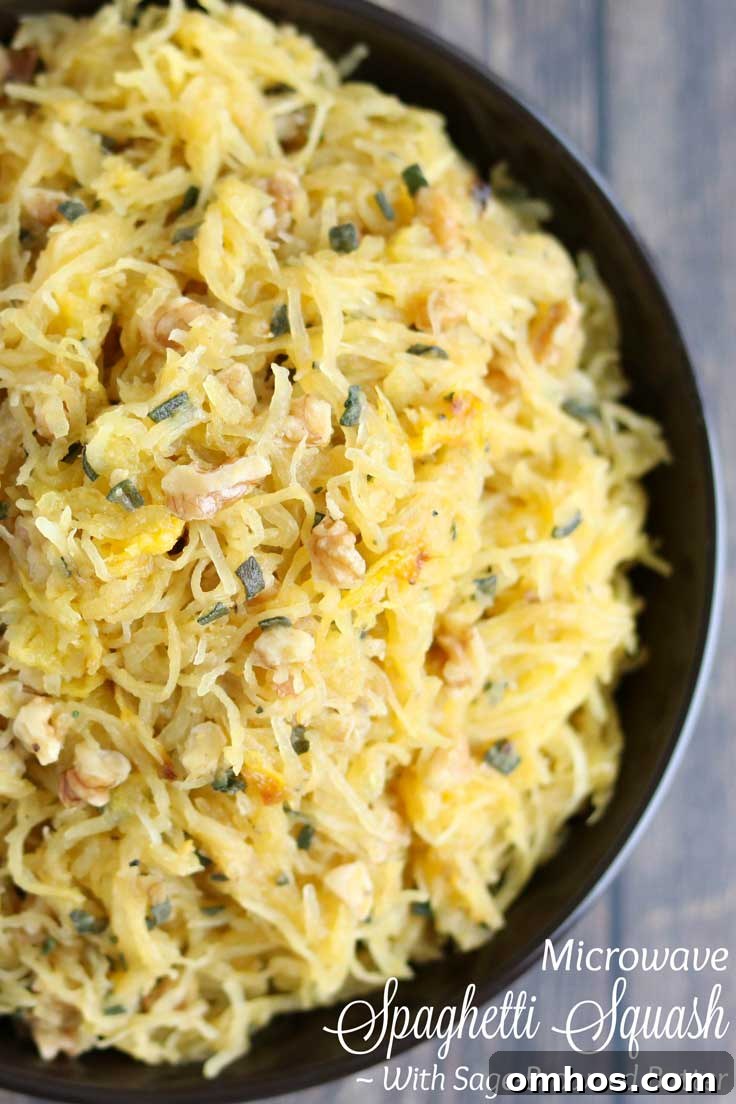
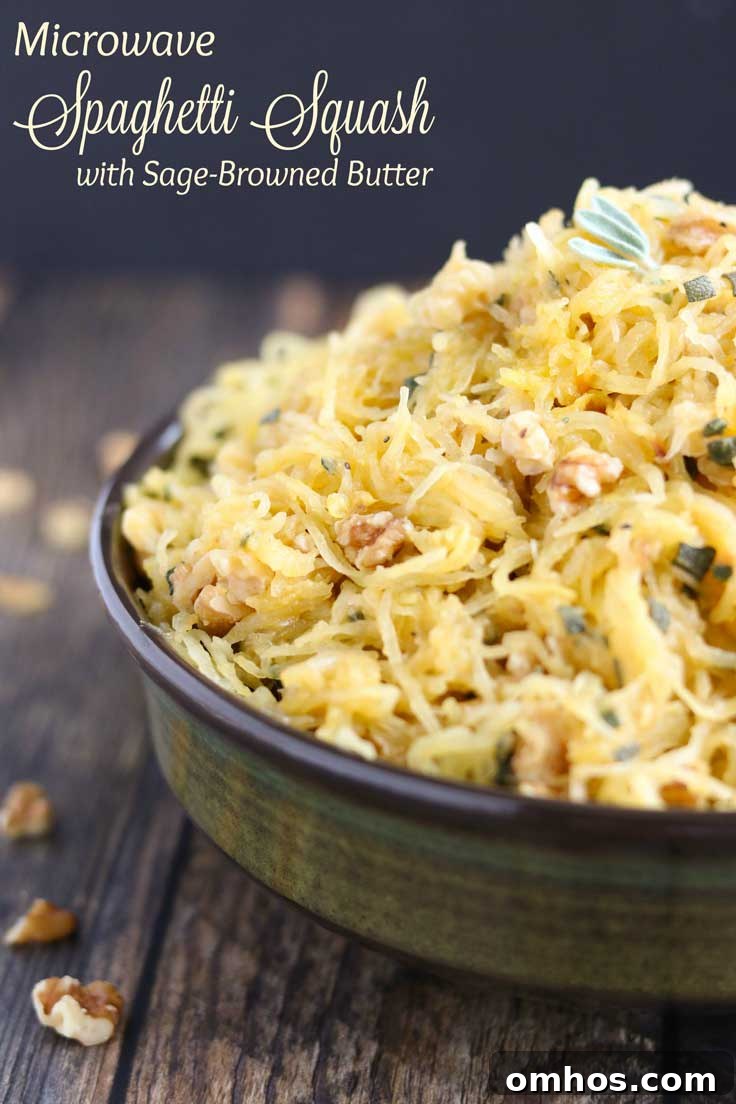
Decadent browned butter, crunchy toasted walnuts, and aromatic fresh sage elevate naturally sweet spaghetti squash into a memorable side dish. It’s a recipe that often surprises people—the first bite usually earns delighted comments around the table.

Why Microwave Spaghetti Squash?
Roasting vegetables in the oven develops great caramelization, but spaghetti squash doesn’t benefit from roasting the same way small, high-surface-area vegetables do. Microwaving saves a lot of time while still producing nicely browned spots on the squash when you follow the method below. On busy nights—or when the oven is full for holiday meals—the microwave delivers perfectly cooked squash in a fraction of the time.
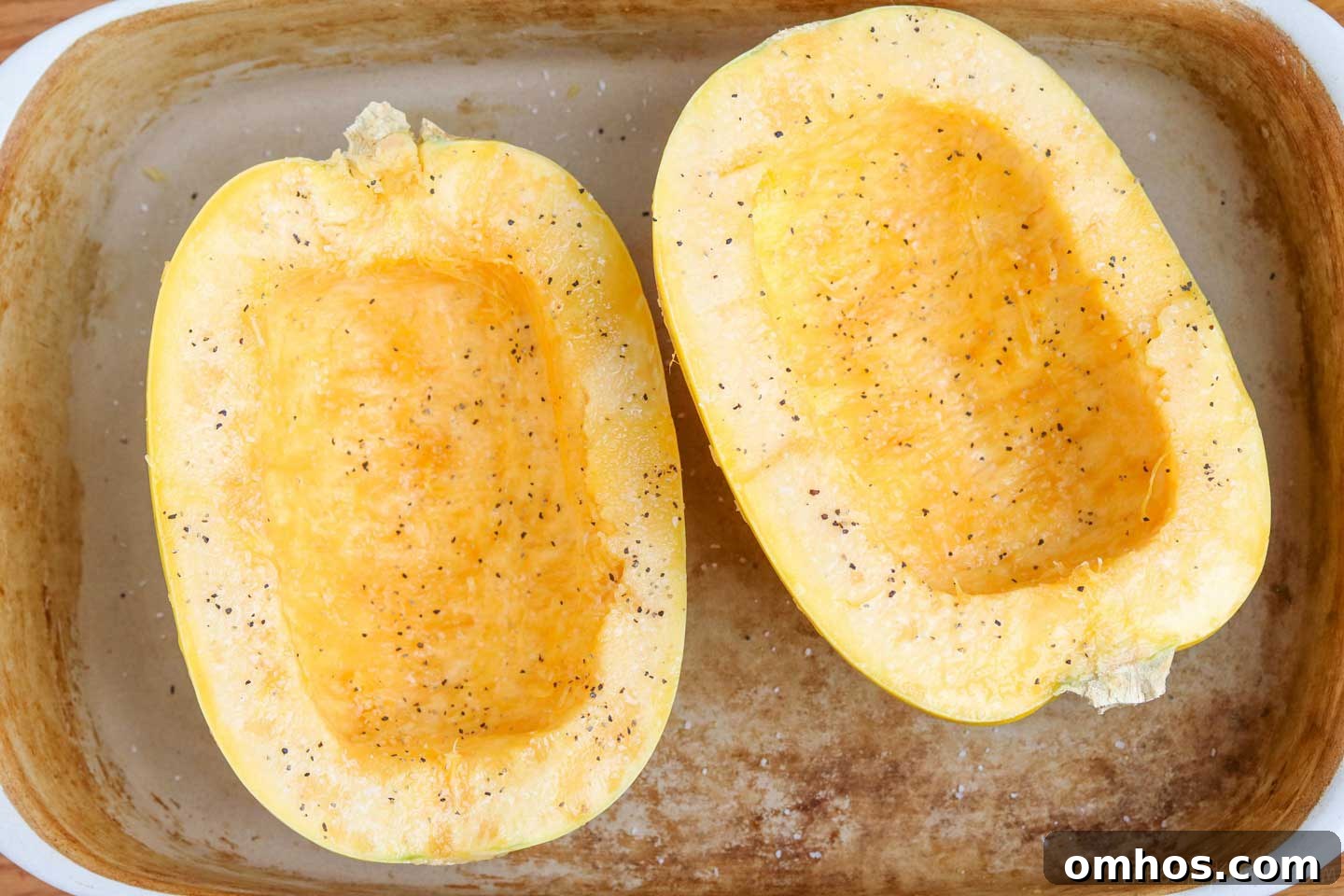
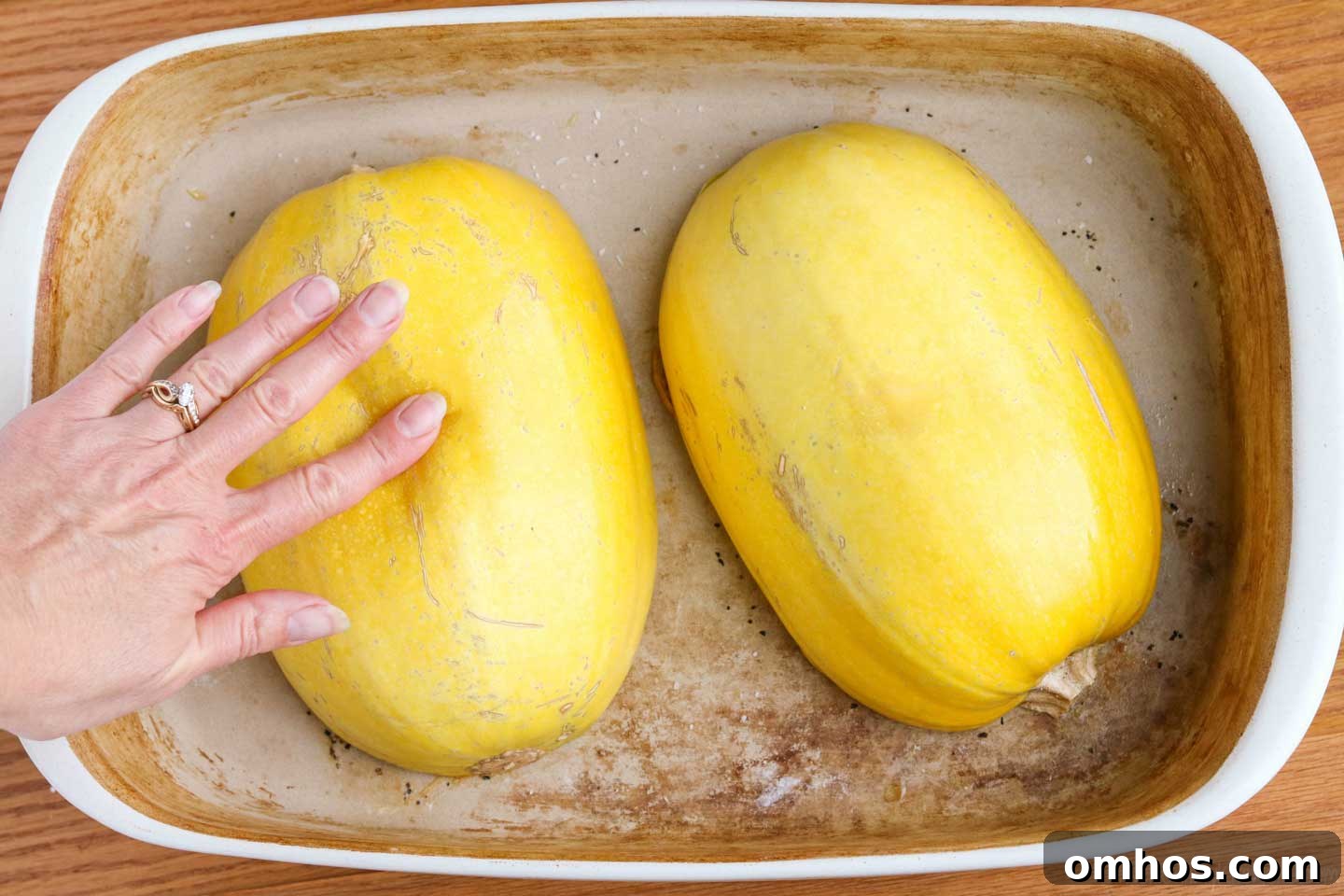
My method: cut the squash lengthwise, remove seeds, brush the flesh lightly with olive oil, season with salt and pepper, then place the halves skin-side up in a baking dish and microwave. This approach gives you quick, tender strands that shred easily into spaghetti-like ribbons.
Timing and Doneness
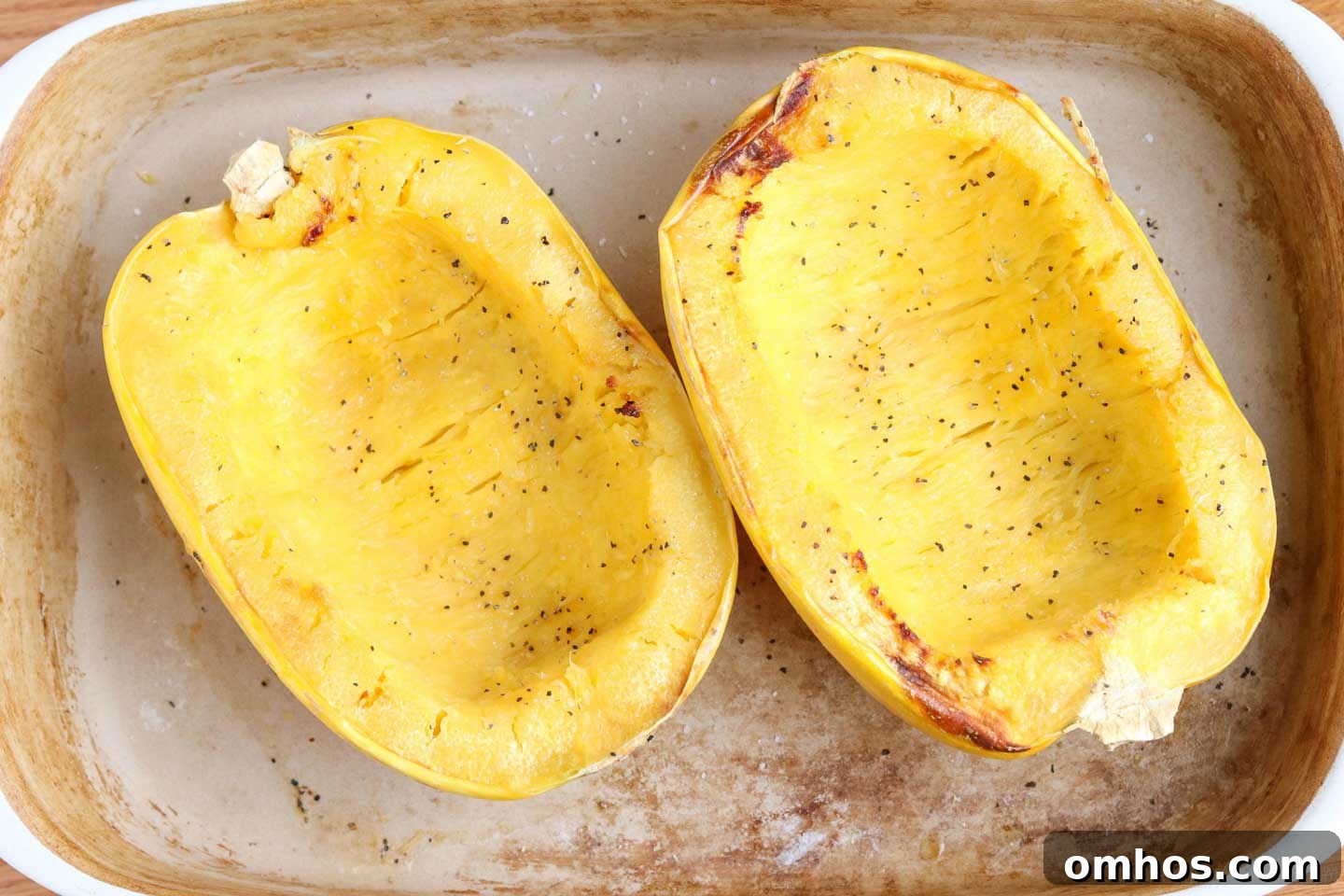
Microwaves vary and squash sizes differ, so check doneness as you approach the end of the cooking window. The squash is done when the flesh yields slightly under pressure and you can make a small indentation in the shell. Let the halves rest briefly to cool enough to handle, then use a fork to shred the flesh into strands.
What If the Squash Is Watery?
Watery squash usually comes from overcooking. Aim for an al dente texture—tender but with a little bounce. If your squash is a bit overdone, scoop the strands into a colander and let them drain for a few minutes before tossing with the sauce. Alternatively, serve with a slotted spoon to leave excess liquid behind.
How to Toast Walnuts
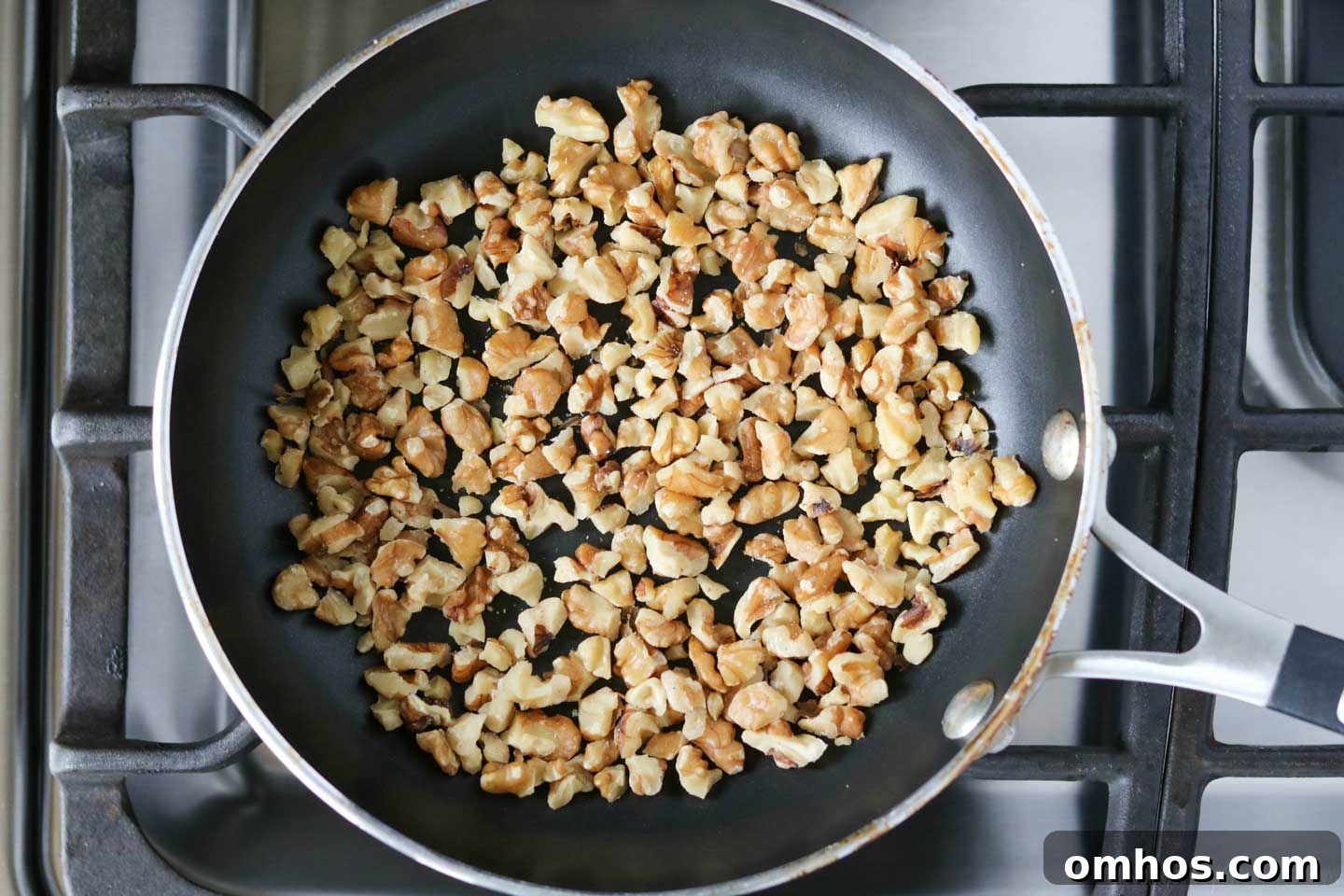
Toast walnuts in a dry skillet over medium-low heat, stirring frequently. Watch closely—the nuts give off a fragrant aroma when they’re done and may develop small brown spots. Remove them from the heat as soon as they smell toasty to avoid burning.
How to Make Browned Butter with Sage
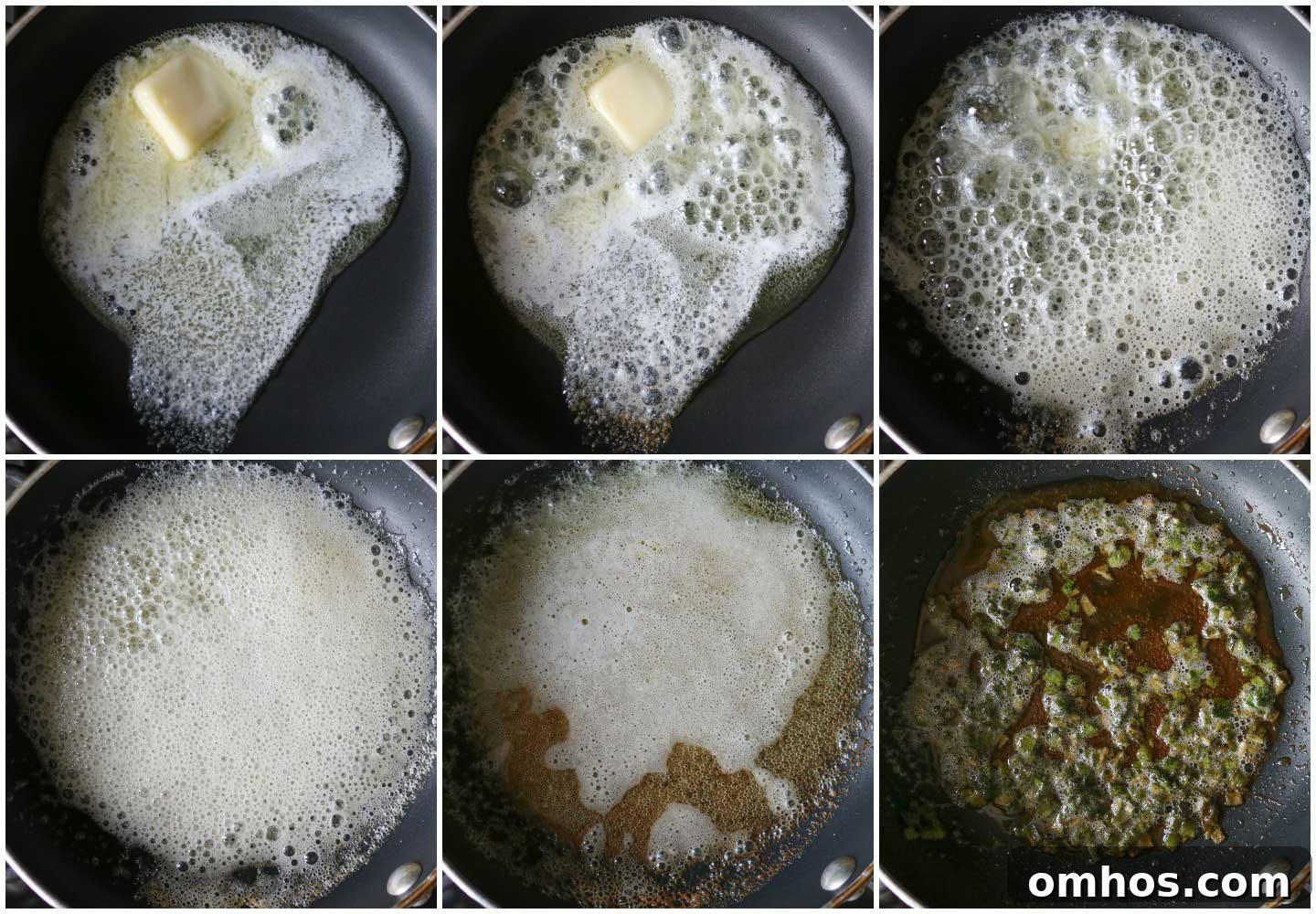
Browned butter forms quickly: melt butter in a skillet over medium-low heat, let it foam, and continue cooking while you swirl or stir occasionally. When the butter turns a golden-brown color and develops a nutty aroma, add minced fresh sage and cook another minute. Remove from heat and season with salt and pepper. A little browned butter goes a long way; it adds luxurious, toasty flavor to the squash.
Serve as a Side or Stuffed Squash
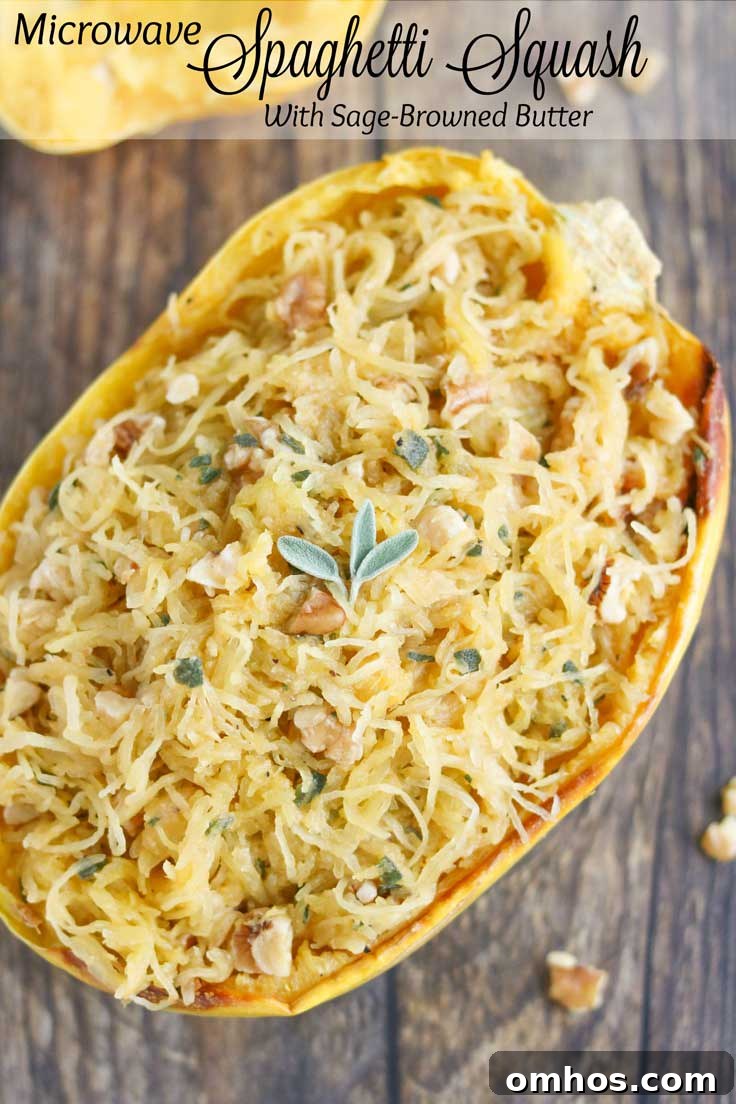
You can serve the finished squash in a bowl or pile it back into one of the cooked squash halves for an attractive presentation. If using the shell, be gentle while shredding so the shell remains intact. The filled half makes a pretty, self-contained serving dish that’s especially fun for kids.

Ingredients
- 1 (about 3-pound) spaghetti squash
- 1 teaspoon extra virgin olive oil
- 1 1/4 teaspoons coarse kosher salt, divided
- 1/4 teaspoon black pepper, divided
- 1/2 cup coarsely chopped walnuts
- 2 tablespoons butter
- 2 tablespoons minced fresh sage
Instructions
- Carefully split the squash lengthwise and remove the seeds and membranes with a spoon. Brush the flesh of each half with about 1/2 teaspoon olive oil, then sprinkle each with 1/4 teaspoon salt and a pinch of black pepper.
- Place the squash halves skin-side up in a microwave-safe baking dish and microwave on full power for about 15–20 minutes, checking for doneness toward the end. The tops should give slightly under pressure. Let rest about 10 minutes, then use a fork to shred the flesh into strands. If the squash seems watery, drain briefly in a colander.
- While the squash cooks, toast the walnuts in a small skillet over medium-low heat, stirring frequently until fragrant and lightly browned. Remove and set aside.
- In the same skillet over medium-low, melt the butter and cook it until it foams and begins to turn golden brown. Add the minced sage and cook about 1 minute more until the butter is a richer brown and fragrant. Remove from heat and stir in the remaining salt and pepper.
- Toss the shredded squash with the browned butter and sage, then fold in the toasted walnuts. Serve immediately from a bowl or mound the mixture back into one of the squash shells for a rustic presentation.
Notes
For best texture, avoid overcooking so the strands remain slightly firm. If the squash becomes watery, drain before combining with the sauce. Watch walnuts closely while toasting—their aroma signals doneness.

Nutrition Information (per 1/2 cup)
Calories: 112 · Total Fat: 8g · Saturated Fat: 2g · Unsaturated Fat: 5g · Cholesterol: 7mg · Sodium: 341mg · Carbohydrates: 11g · Fiber: 3g · Sugar: 4g · Protein: 2g
Nutrition figures are estimates and can vary based on ingredients and preparation.
This simple microwave method delivers tender, flavorful spaghetti squash in far less time than roasting, while browned butter, sage, and toasted walnuts create a side dish that’s easy, elegant, and perfect for family dinners or holiday gatherings. Give it a try—you might be surprised how often it becomes a favorite.