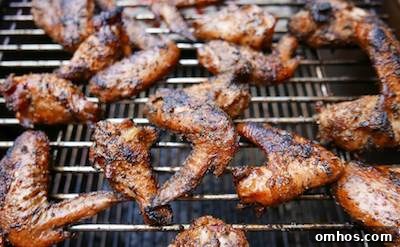
The humble chicken wing is a barbecue classic for a reason: when smoked properly, wings are crisp, juicy, and packed with flavor. Smoking wings on a Weber kettle is simple and effective, but small details make a big difference. Below is a clear, practical guide that condenses expert techniques for smoking wings on a kettle grill so you can get consistent, delicious results.
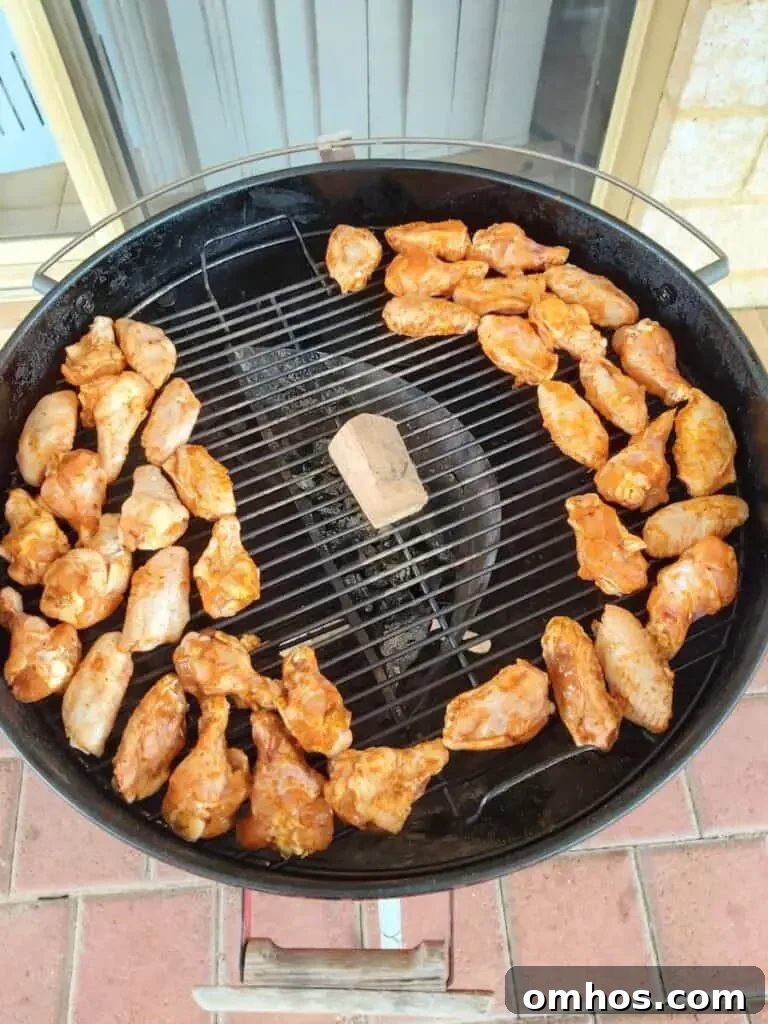
Target temperature and basic setup: Aim for a cooking temperature in the 275–300°F range. For a typical Weber kettle, that usually requires about 80 charcoal briquettes. Pre-light roughly 30 briquettes in a chimney and place them alongside the unlit coals to form a two-zone setup. Add one or two chunks of smoking wood if you want extra smoke flavor. Set both vents to about 1/4 open and cook the wings indirectly, on the side opposite the coals. Flip after about 45 minutes, then finish and glaze in the last 10 minutes to create a glossy finish.
Key Points
- Use about 80 charcoal briquettes for 275–300°F smoking.
- Pre-light around 30 briquettes and place them next to the unlit coals to create indirect heat.
- Wood chunks (apple, cherry, hickory, pecan) add flavor; use sparingly for chicken.
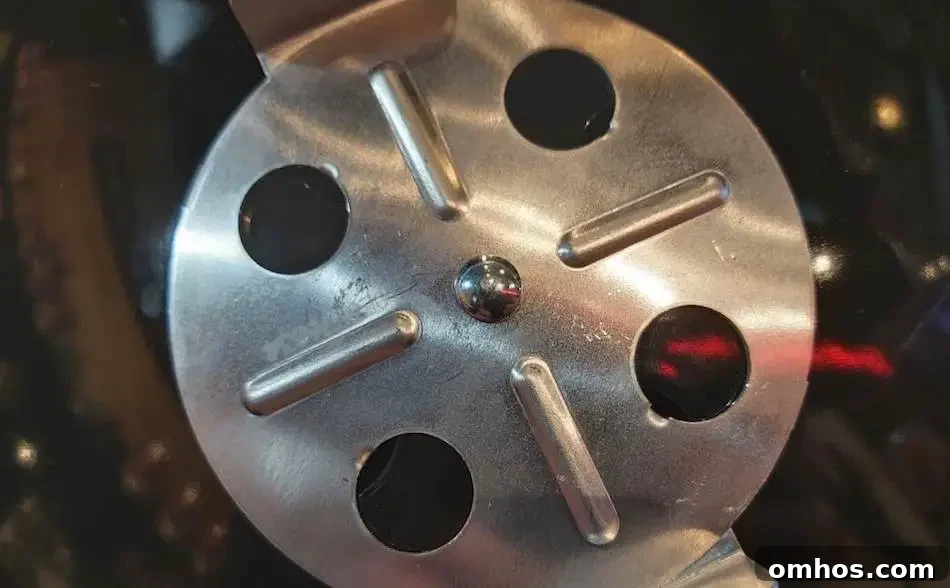
- Set vents to 1/8–1/4 open initially; adjust the top vent to control temperature.
- Cook wings indirectly; flip after roughly 45 minutes and finish for another 30–45 minutes.
- Apply sauce or glaze in the last 10–15 minutes to prevent burning.
- Dry wings before seasoning for crisp skin; consider a light dusting of cornstarch or baking powder for extra crunch.
- Monitor internal temperature with an instant-read thermometer; the USDA minimum is 165°F.
Chicken Wings on a Weber Kettle
Smoked barbecue chicken wings prepared on a Weber kettle.
5 minutes
1 hour 30 minutes
30 minutes
2 hours 5 minutes
Ingredients
- Chicken wings
- Salt and pepper
- Dry rub of choice
- Barbecue sauce or glaze
Instructions
How to prepare the chicken
- Pat the wings dry with paper towels to remove excess moisture—this helps the skin crisp.
- Season lightly with salt and pepper, then apply your dry rub evenly.
How to cook the wings on a kettle grill
- Arrange about 80 charcoal briquettes; pre-light ~30 in a chimney starter.
- Place the unlit briquettes in a pile on one side of the kettle and pour the lit coals alongside them to form a two-zone fire.
- Add one or two wood chunks if using smoke wood.
- Set a foil pan on the opposite side as a drip tray and position the wings over that side for indirect cooking.
- Set vents about 1/8–1/4 open and allow the kettle to stabilize at 275–300°F (about 20–30 minutes).
- Close the lid and smoke for 45 minutes, then flip and smoke another 30 minutes.
- Brush on sauce or glaze in the final 10–15 minutes and increase heat briefly if you want a crisper skin—watch closely.
Nutrition Information:
Serving Size:
3 wings
Amount Per Serving:
Calories: 180
Total Fat: 8 g
Carbohydrates: 8 g
How to Set Up Your Weber Kettle for Wings
- Target 275–300°F for wings; this usually needs roughly 80 briquettes.
- Pre-light 30 briquettes in a chimney and arrange the remaining unlit coals in a pile on one side of the kettle.
- Pour the lit coals next to the unlit pile to create a hot zone and a cooler, indirect zone.
- Place a foil or aluminum drip tray under the cooking grate on the indirect side to catch drippings.
- Rotate the lid so the vents sit opposite the fire; take temperature readings from the indirect side.
- Start with vents at about 1/2 open while warming, then settle at 1/8–1/4 as you stabilize at the target temperature.
Weber Kettle Settings for Smoking Chicken
| Cooking Temperature | Pre-lit Coal | Total Charcoal | Time to Target | Typical Cook Time | Top Vent | Bottom Vent |
|---|---|---|---|---|---|---|
| 275°F | 30 | 80 | 20 minutes | 1.5–2.5 hours | 1/4–1/2 | 1/8–1/2 |
| 325°F | 40 | 80 | 20 minutes | 1.5–2.5 hours | 1/4–1/2 | 1/8–1/2 |
| 350°F (finish) | 60 | 100 | 20 minutes | Short finish for crisping | 1/2 | 1/2–3/4 |
Stabilize Your Grill
Allow 20–30 minutes for the kettle to reach and hold the target temperature. Make small vent adjustments and wait about 10 minutes between changes. Windy or cold conditions may require slightly different vent positions; use the top vent to fine-tune temperature during the cook.
Finish at a High Temp for Crispy Skin
If you want extra-crispy skin, finish the wings at a higher temperature. After smoking the first side for about 45 minutes and flipping, open the vents to raise the heat to roughly 350°F and watch closely for 5–15 minutes until the skin crisps without burning.
Smoking Wood Choices
Charcoal provides a good base flavor, but wood adds complexity. Wood chunks last longer and produce steadier smoke than chips. For chicken, use mild woods—apple and cherry add sweetness, hickory provides a bolder smoke, and pecan gives a nutty note. Use mesquite sparingly, as it can become harsh if overused.
| Type of Wood | Why it’s good for chicken |
|---|---|
| Hickory | Strong, smoky flavor for bold profiles. |
| Apple | Mild, sweet, fruity flavor that complements chicken. |
| Cherry | Sweet and fruity, similar to apple. |
| Maple | Subtle sweetness that won’t overpower. |
| Pecan | Nuttier, moderate smoke—very versatile. |
| Oak | Robust smoke best for larger cuts or blends with milder woods. |
| Mesquite | Very strong; use in small amounts or blended with milder woods. |
How Long Does It Take?
Plan on about 1.5 hours of cooking time plus 20–30 minutes to preheat the kettle. Smaller wings will finish faster; jumbo wings may need closer to 2–2.5 hours total. Smoking at 275–300°F typically requires about 30–45 minutes per side, followed by a short high-heat finish if desired.
Rub and Seasoning
Keep seasonings simple for classic smoked wings: salt, pepper, and a good all-purpose dry rub. You can make a large batch of rub and store it for future cooks. If using pre-made rubs, check salt content and add table salt separately if you need more control.
Apply a Glaze for the Final Touch
Brush on your barbecue sauce, buffalo sauce, or other glaze in the last 10–15 minutes. Applying sugary sauces too early risks burning and blackening the wings, so wait until the final stage to build a shiny, caramelized coating.
When Are Wings Done?
Cook wings to a safe internal temperature of at least 165°F. Use an accurate instant-read thermometer to check several pieces. You can also use the bend test: when a wing bends and the meat starts to pull from the bone, it’s usually done. Avoid exceeding about 200°F to prevent drying out.
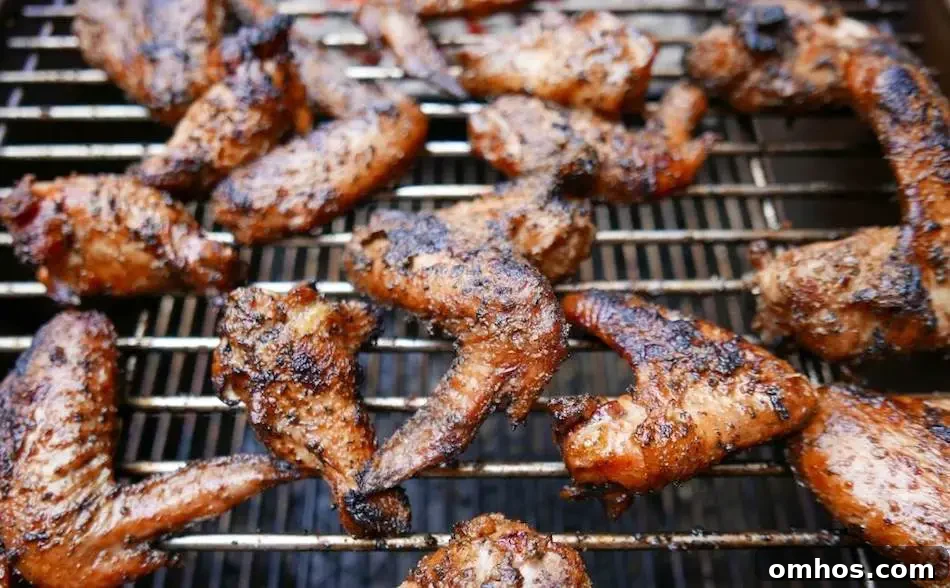
8 Ways to Get Crispy Wings
- Cook above 275°F to help render fat and crisp skin.
- Thoroughly dry wings before seasoning to remove surface moisture.
- Avoid wet marinades right before cooking for crisp skin—dry brining is an alternative.
- Skip a water pan when aiming for crispy skin; steam prevents crisping.
- Don’t tent or foil the wings during the cook.
- Avoid placing wings in a covered pan where they steam in their juices.
- Instead of spritzing with liquid, consider a light olive oil spray to promote browning.
- Dust wings with a small amount of cornstarch or baking powder before the rub to boost crunch.
Homemade Dry Rub (Large Batch)
| Ingredient | Quantity |
|---|---|
| Paprika | 1/2 cup |
| Salt | 1/2 cup |
| Sugar | 1/2 cup |
| Granulated garlic | 1/2 cup |
| Granulated onion | 1/4 cup |
| Chili powder | 1/4 cup |
| Cumin | 1/4 cup |
| Black pepper | 2 tablespoons |
| Dry mustard | 2 tablespoons |
| Cayenne pepper | 2 tablespoons |
Salt Your Meat Separately
Control salt by adding it separately if using a pre-made rub that already contains salt. Dry brining works well but be mindful of salt in commercial rubs and in any glaze you’ll apply later.
Other Chicken Cuts
The same basic methods work for thighs and drumsticks, though those cuts are fattier and may need a bit more cooking time. Thighs and legs are often cooked to around 175°F for optimal tenderness.
Dipping Sauces
Smoked wings pair well with dips like buffalo sauce, ranch, blue cheese, honey mustard, or a classic barbecue sauce. Simple homemade dips can be made with common pantry ingredients and are easy to adapt to your taste.
Classic Buffalo Sauce (Quick)
| Ingredients | Quantity |
|---|---|
| Butter | 1/2 cup |
| Hot sauce | 1 cup |
| White vinegar | 2 tablespoons |
| Garlic powder | 1 teaspoon |
| Cayenne pepper | 1/4 teaspoon |
| Salt | 1/4 teaspoon |
Melt butter, whisk in remaining ingredients, simmer briefly, then use as a dip or brush for wings.
Ranch, BBQ, Blue Cheese
Basic ranch, barbecue, and blue cheese dips are easy to prepare with common ingredients like mayo, sour cream, buttermilk, ketchup, brown sugar, and cheese—simply combine, chill, and serve.
My Favorite Meat Smoking Tools
Reliable thermometers, butcher paper, and a good chimney starter make smoking easier and more consistent. A dual-probe wireless thermometer is especially useful for monitoring both grill and meat temperatures during longer cooks.
Thanks for reading—put these tips into practice and you’ll be rewarded with crispy, smoky wings from your Weber kettle every time.