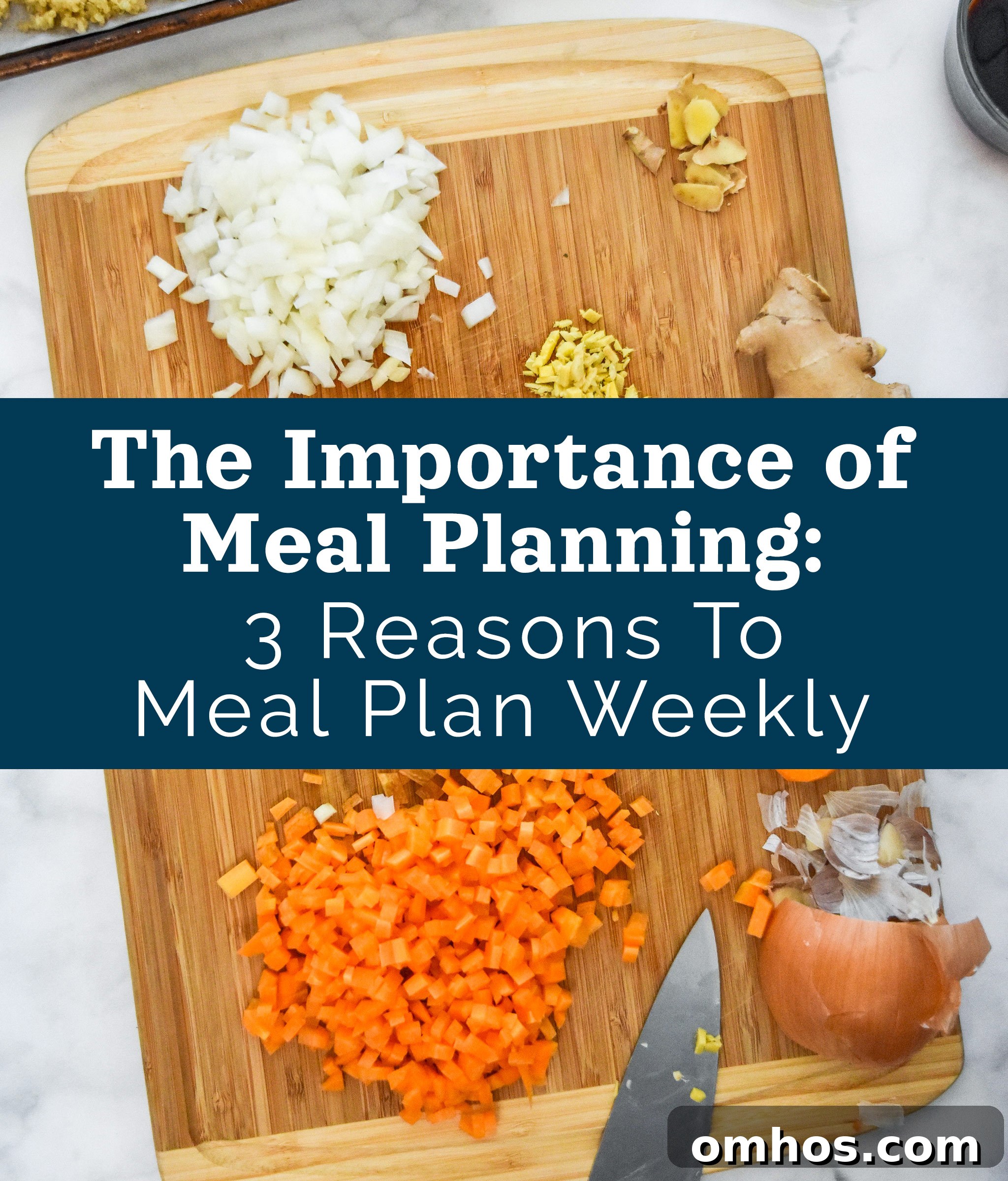
Why plan meals? The benefits vary by person, but most reasons fall into three clear categories: saving time, saving money, and taking control of your food choices. Here’s a concise look at The Importance of Meal Planning: Three Reasons to Meal Plan Weekly.
What is meal planning?
Meal planning means deciding in advance what you or your family will eat over a set period—typically a week, though some people plan by the month. It can be as simple or detailed as you want: schedule every meal and snack, or just plan lunches to avoid buying food out during the workweek.
The key is not to start from zero at every mealtime. A short plan gives you a framework so you can shop, prep, and cook more efficiently. Below are the three main practical benefits I see from consistent meal planning.
The Importance of Meal Planning: 3 Reasons to Meal Plan
1. Save time
Saving time is often the biggest immediate win. When you plan ahead, you can decide which meals need shortcuts and which can be more involved. That lets you prep once and benefit all week instead of scrambling each night.
Start by identifying your busiest days and plan simple or make-ahead meals for them. Prep ingredients or full meals in advance so dinner can be reheated, or set up quick breakfasts you can grab when mornings are rushed.
Practical time-savers from meal planning:
-
Fewer grocery trips. With a weekly menu you can buy most items in one shopping trip.
-
Less wandering in the store. A list tied to your plan helps you shop with purpose and avoid distractions that cost time.
-
Batch prep ingredients. Chop onions or dice vegetables for multiple meals at once instead of repeating the same prep several times.
-
Planned leftovers. Intentionally cooking for leftovers gives you ready meals on days you don’t want to cook.
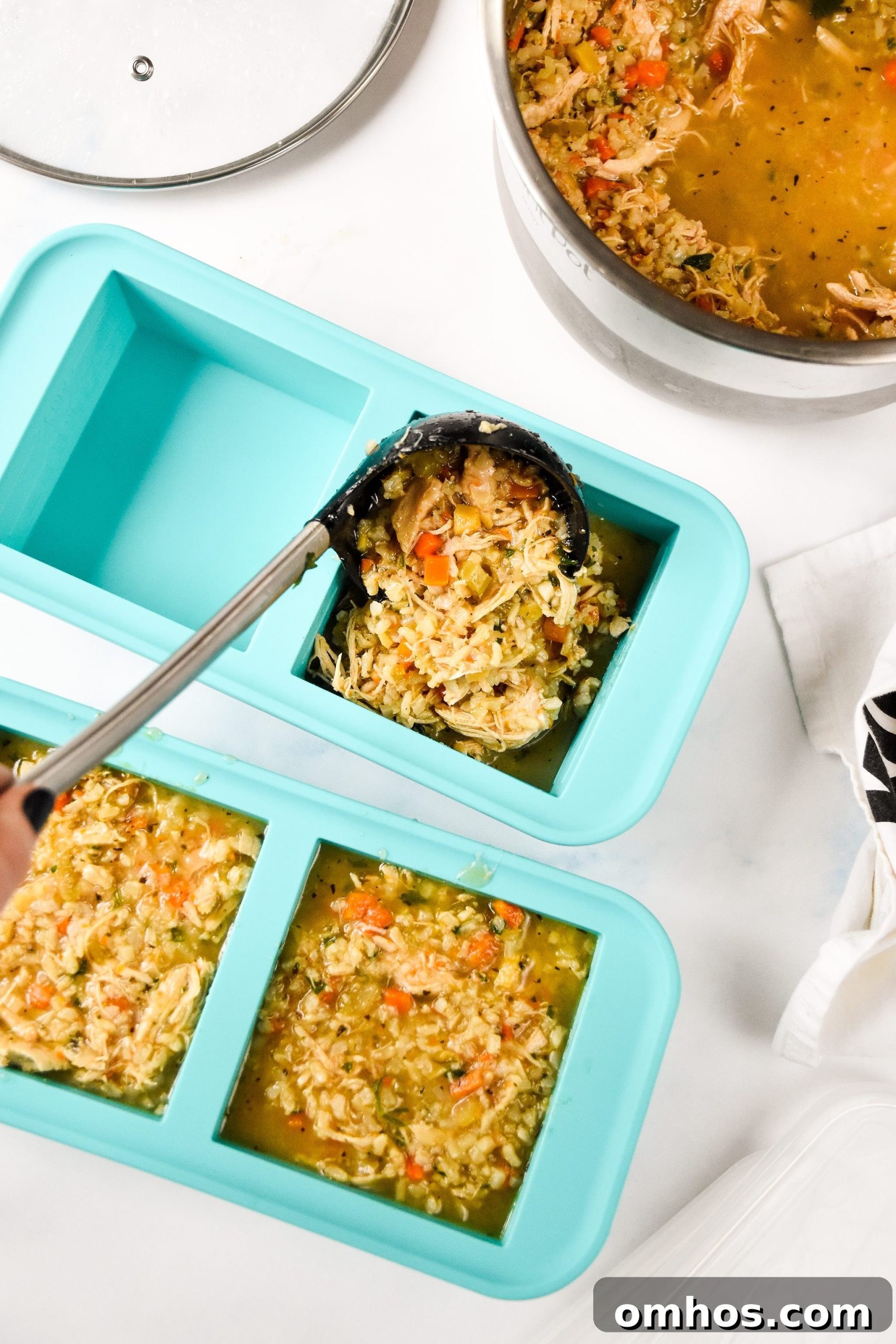
Many recipes focus on make-ahead techniques because planning naturally pairs with prep—cook once, eat multiple times. That multiplies the time you save across the week.
2. Save money
Cooking at home tends to cost less than eating the same meals at restaurants. Research and price comparisons often show sizable savings when you prepare meals yourself rather than dining out.
Planning also reduces impulse purchases and helps prevent food waste. When you plan meals that use the same ingredients in different ways, you’re more likely to use what you buy before it spoils—stretching your grocery budget further.
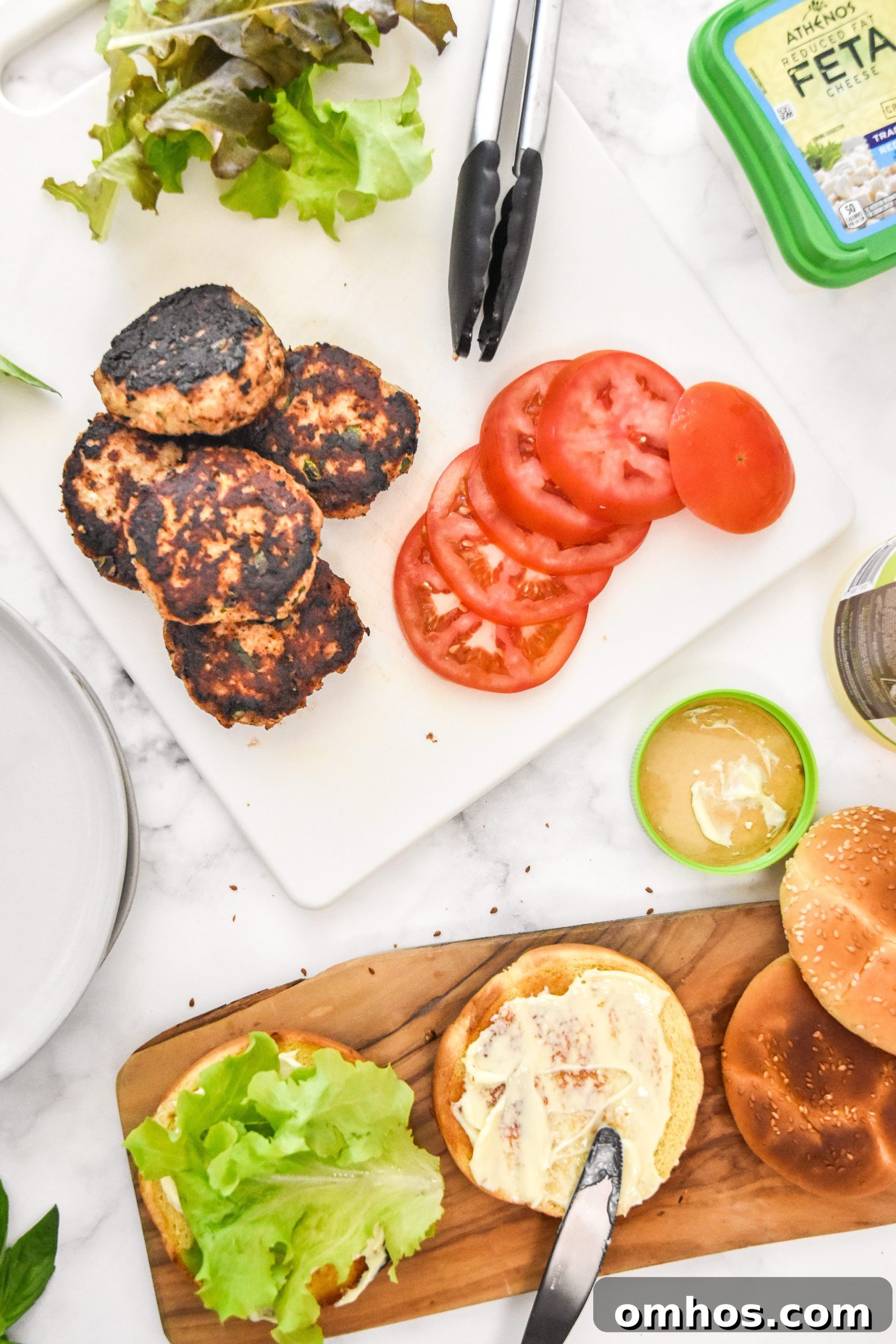
Small planning habits—like using leftover spinach in smoothies or lunches, or designating a “leftovers night”—add up to measurable savings over time.
3. More control over food
Meal planning gives you better control over portions, nutrition, and choices. When meals are planned and pre-portioned, you avoid the variability that comes from last-minute decisions or oversized servings.
How planning improves control:
-
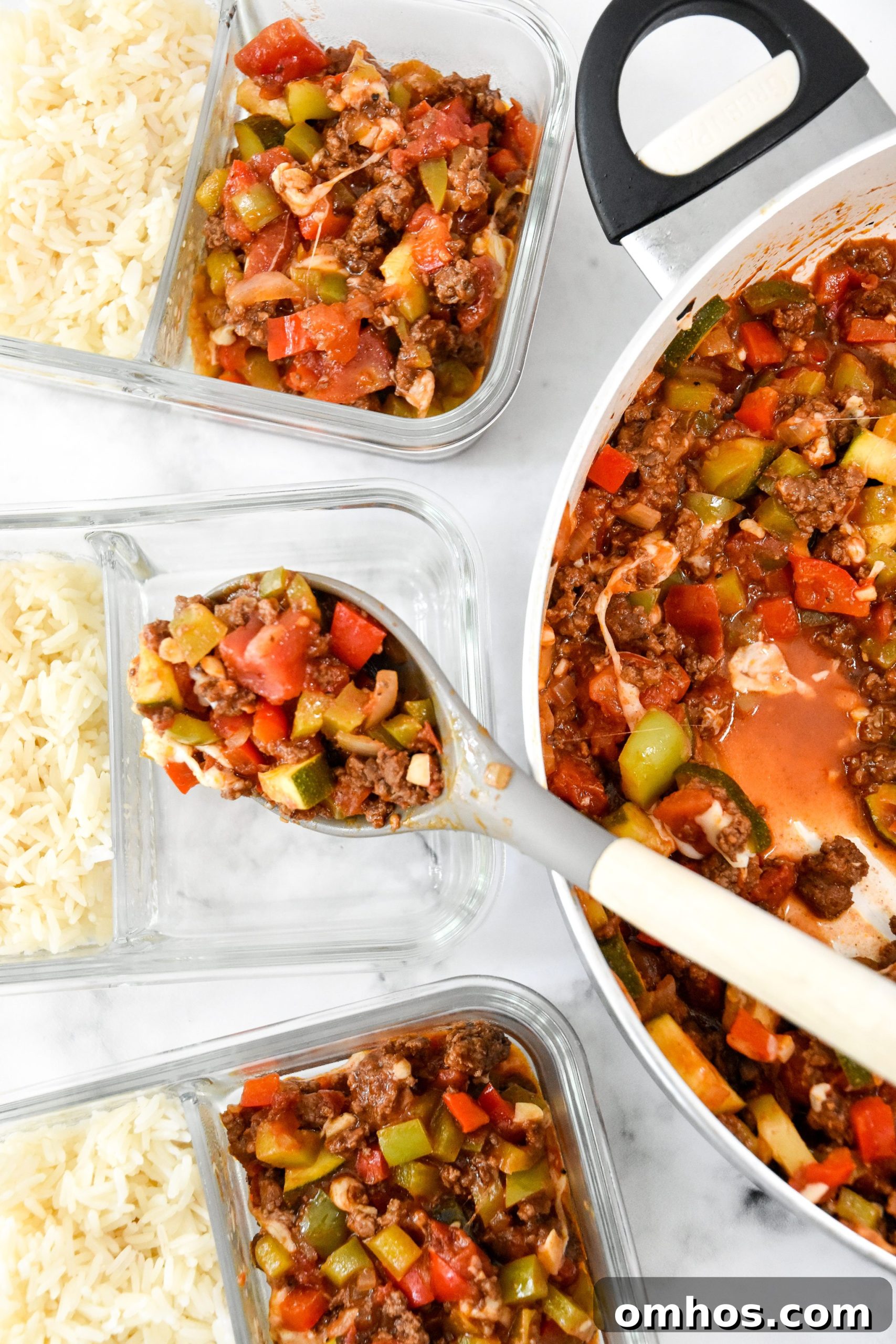
Appropriate portions. Pre-portioning ensures consistent servings and helps with goals like calorie control or balanced meals.
-
Accountability to your past self. If you’ve already cooked and packed meals, you’re more likely to eat them than to order takeout.
-
Intentional choices. Planning lets you align meals with health goals, dietary needs, or taste preferences rather than reacting to convenience.
Things to remember about meal planning:
-
Don’t be intimidated by the term meal plan. It can be very simple—even planning not to cook counts. The point is to have a plan so you aren’t deciding from scratch each time.
-
Keep your plan flexible. It’s a tool, not a rulebook—missed meals or swaps won’t ruin the process. Treat it as a helpful roadmap rather than a rigid schedule.
-
If you dislike repeating meals, planning is still valuable. Cook a base ingredient—like roasted chicken—and use it in several different dishes so meals feel varied without extra effort.
-
The right meal plan is the one that works for your life. Use simple resources—notes, a calendar, or a printed template—and aim to stop starting from zero each night.
If you’re ready to begin meal prepping, a gentle way to start is to choose one challenging meal of the week and plan that meal for a few days in a row. Write your plan down, make a shopping list from the recipes, and follow through by cooking the meals you planned. After a few tries, meal planning becomes faster and more natural.
How to Get Started
If you don’t know where to begin:
-
Pick one meal that causes stress—breakfast, lunch, or dinner.
-
Plan that meal for the next three days. Check your pantry first so you use items already on hand.
-
Write the plan down—on a notepad, calendar, or a printed template—and post it where you’ll see it.
-
Make a grocery list from your planned recipes and stick to it when you shop to avoid impulse buys.
-
Cook the meals you planned for at least three days. Adjust as needed, but give the process a chance to show benefits.
Meal planning is a simple habit that frequently pays back in saved time, lower grocery costs, and better control over what you eat. If you have questions or want to share what works for you, leave a comment—why do you meal plan?